Posted on Leave a comment

Effects of Praising Your Child

The effects of praising in parenting are profound and impactful. Praise serves as a vital tool for positive reinforcement, allowing parents to express approval and encouragement. When children are praised, it not only boosts their self-esteem but also motivates them to continue positive behaviours, reinforcing their sense of achievement and self-worth.

As parents, our primary aim is to help children develop good habits and behaviours through consistent practice. The effects of praising play a significant role in this process, increasing the chances that children will repeat and internalize these positive actions.

Praising can be viewed as a short-term strategy that leads to long-term success. By offering genuine and timely praise, parents can guide their children toward forming lasting, positive habits. Once the target behaviour becomes a natural part of the child’s routine, the need for constant praise gradually reduces. Instead, the child learns to carry forward their positive behaviour independently, a testament to the lasting effects of praising done right.
There are 2 types of praise.

1. Routine Normal Praise

This is the everyday praise we commonly use and are familiar with.

  • Children thrive on this kind of recognition, and it strengthens your bond with them.
  • Simple yet effective, routine praise fosters a positive and loving relationship.

2. Special Praise That Encourages Behavioral Change

This type of praise goes a step further, focusing on reinforcing desired behaviors.

  • Be enthusiastic and expressive: Use an excited tone, gestures, and facial expressions to convey your approval.
  • Be specific: Clearly mention what the praise is for (e.g., “Amazing! You completed your homework on time!”).
  • Add non-verbal gestures: A pat on the back, a warm hug, a high-five, or a gentle kiss enhances the impact of your words and makes the praise more memorable.

For making a change in behavior effective, all factors mentioned under special praise have to be applied together. Few examples are shown below.

Selecting Specific Behaviors to Praise

Praising starts with identifying the exact actions or behaviors you want to encourage in your child. This is a crucial first step in shaping positive habits.

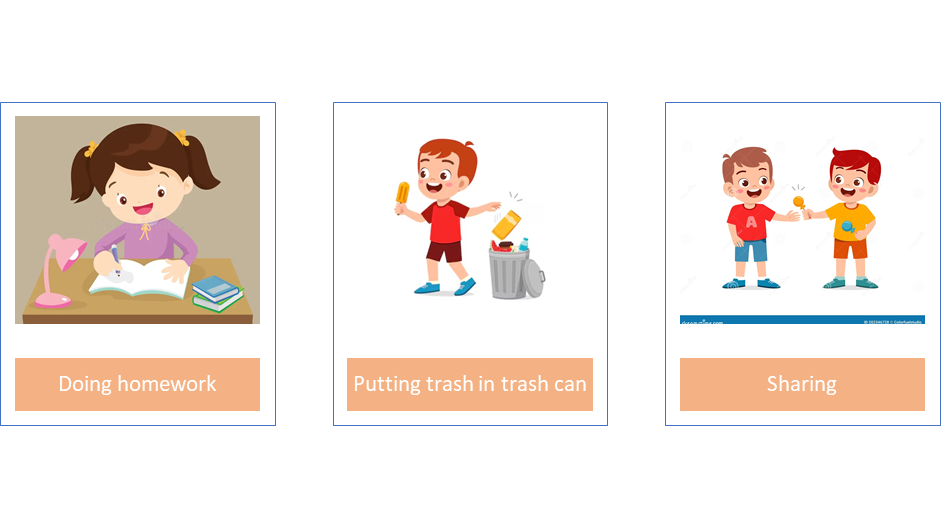
  • Define the behavior: Clearly identify the specific good behavior you want your child to develop. This could range from completing homework on time to sharing toys with siblings.
  • Be observant: Stay attentive and watch for moments when your child demonstrates the desired behavior. Acknowledge and praise it immediately to reinforce the action.
  • Follow the praise formula: Ensure each instance of praise includes the three components of special praise-enthusiasm, specificity, and non-verbal gestures.

Start by focusing on one or two key behaviors at a time to avoid overwhelming your child and to ensure consistency in reinforcement.

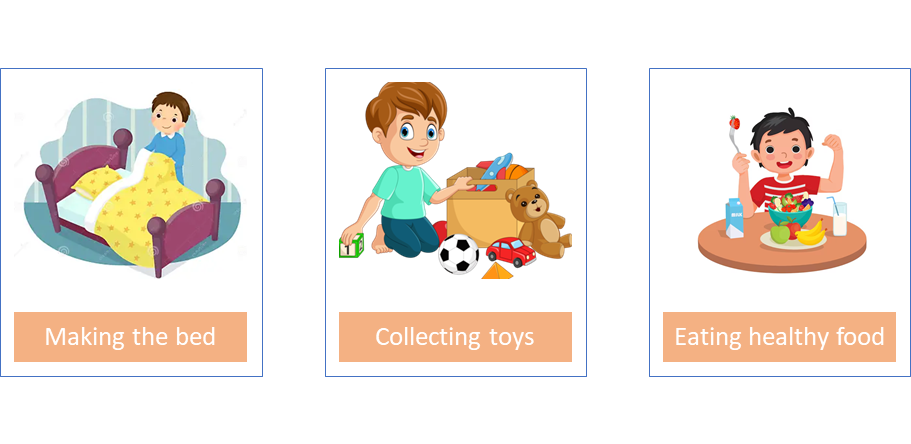
Here are some examples of good behaviors to consider praising:
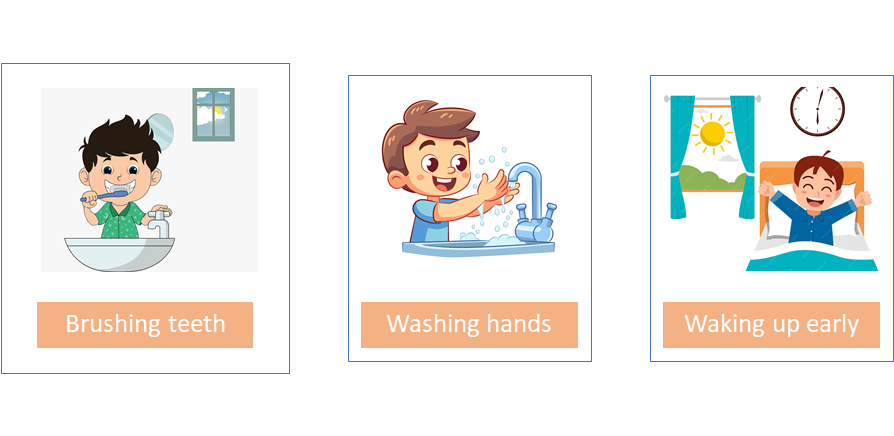
By carefully selecting and consistently praising specific behaviors, you set the foundation for long-term positive growth in your child.

How to Make Praise Effective

  1. Praise Immediately After the Action:
    Timeliness is key to effective praise. Acknowledge the good behavior as soon as it happens to reinforce the connection. For example, if your child washes their hands, say, “That’s great, Sam! You washed your hands,” immediately after the action.
  2. Praise Increments of Progress:
    Recognize and praise efforts as well as achievements. For example, if your child spends more time than usual doing homework, praise their dedication by saying, “You’ve worked really hard on your homework today—well done!”
  3. Avoid Generic Praise:
    Empty praise like “That’s great!” or “Good job!” without context loses its impact. Be specific about what you’re praising, such as, “I’m so proud of how you shared your toys with your friend.”
  4. Focus on Actions, Not the Child:
    Praise the behavior, not the child’s character. For instance, instead of saying, “You’re a good boy because you cleaned your room,” say, “You did a great job cleaning your room!” This avoids unintentionally implying that they’re “bad” when they don’t perform the desired behavior.
  5. Keep Love Unconditional:
    Never tie your love to their behavior. Avoid statements like, “We love you because you did this.” Children need to know that parental love is unconditional. Reassure them frequently that your love is not dependent on their actions.
  6. Avoid Making It About Yourself:
    Do not frame praise around your emotions, such as, “You’ll make us happy if you do this.” Instead, emphasize that good behaviors are important because they are the right thing to do, not because they please others. Make it clear that your happiness and love are not conditional on their actions.
  7. Never Condemn or Compare:
    Avoid following praise with criticism or comparisons, such as, “Great! You picked up your toys. Why can’t you always be like this? Why can’t you be good like your sister?” This undermines the praise and can lead to feelings of inadequacy or resentment. Instead, focus solely on the positive behavior at hand.

By following these guidelines, your praise will be meaningful and effective in shaping positive behavior in your child while fostering their confidence and emotional well-being.

Posted on Leave a comment

Are You Ready to be a Parent?

Parenting is one of the most difficult jobs that you would come across, one that requires so much patience and tolerance. When you hear the word family, the picture that comes to your head is one with parents and children taking a vacation together or playing outside. However the story of those who have already become parents is far more different than this picture. It’s a constant struggle from waking up to going to bed, physical and mental exhaustion, and a great responsibility. So are you ready to be a parent?

There are a few things that you need to think about yourself before becoming a parent.

1) Financial Stability-

Nurturing a baby nowadays can be very expensive. Therefore the questions you have to ask yourself are:

  • Will you be able to provide the baby with the essentials like food, clothes, medicine and vaccines?
  • Do you have a steady income that will be able to fulfil the baby’s needs when growing up?
  • Are you willing to spend a great portion of your hard-earned money on someone else?
  • Are you willing to save up a certain amount of money for someone else’s future well-being?

It is true that becoming financially stable may take many years, especially in a country like Sri Lanka. But if you’re planning to become a parent, you should at least have a solid plan and a way of earning a stable income.

2) Time Management –

Before becoming a parent you’ll have enough free time to watch movies or hang out with friends. Once you become one, you’ll have to say bye-bye to some of the things that you used to do before because it is sometimes very hard to find the right time, so it won’t interfere with the time you spend with kids.

So,

  • Are you willing to separate a great amount of your free time for someone else??
  • Are you willing to cut down on certain leisure activities so you can spend that time with someone else?
  • Are you willing to have less time for yourself?
  • Are you willing to go to bed late daily and wake up early to fulfil children’s needs??
  • Are you willing to spend time less frequently with friends because of kids??

If the answer is “yes” to all the above questions without any second thoughts, you can say you are ready to be a parent.

3) Relationship Stability

It’s vital to have a trustworthy and committed relationship between mother and father, the two pillars of a family. Otherwise, the family will fall apart.

Traditionally in Sri Lanka, it’s the mother who is responsible for children and house chores. However, nowadays both parents work in most families. Therefore both have to agree to contribute paramountly to the wellbeing of the child.

So you have to ask your partner,

  • Are you on good terms with me about raising a child?
  • Will you be equally responsible for taking care of the child?

The answer should be “yes”.

4) Social Support

If you’re a working parent, you need a strong support system. This includes a team comprising of grandparents, uncles, aunties and other relatives. So you have to ask yourself :

  • Do you have people who are willing to babysit while you’re away?
  • Do you have people who have gone through the same experience and are willing to give you advice?
  • Do you have people to support you in an emergency?
  • Are those people trustworthy and responsible when it comes to taking care of the baby?
  • Would the child be safe with them?

If you can find answers to the above questions or those do not apply to you, congratulations!! you are ready to be a parent.

5) Emotional Readiness

Child care is one of the major instances where your patience and tolerance are tested. For a new parent, childbirth can be extremely stressful and depressing. Therefore It’s always better to be prepared early on during pregnancy by learning about what to expect when the baby comes. 

So, you need to ask yourself the following questions –

  • Are you emotionally ready to have a baby?
  • Can you handle stress without yelling and throwing stuff?
  • If you feel depressed is there anyone to support you?
  • Are you willing to learn how to take care of a child beforehand?
  • Are you willing to sacrifice your sleep and meals for someone else?

6) Accommodation

The place where your child will grow has to be safe and spacious. It is something to think twice about even if your home is adequately spacious for all of you in the family.

  • Is your place safe to raise a child?
  • Is it spacious enough?
  • Is the neighbourhood friendly?
  • Is there enough play space?
  • If your home is not spacious or safe enough, can you afford a new place?

Final Thoughts: Are You Ready to Take the Leap?

Parenthood is a life-changing journey that requires careful thought and preparation. It’s not just about providing food, shelter, and care but about building a foundation of love, security, and stability for your child. As you ponder the financial, emotional, and physical readiness required to become a parent, remember that it’s okay to take your time.

Becoming a parent is not about perfection—it’s about commitment. If you feel confident in your ability to navigate these challenges and answer “yes” to the critical questions above, then you are on the right path. Embrace the adventure with an open heart, and know that while the journey may be tough, it is also one of the most rewarding experiences life has to offer.

Parenthood is not a destination—it’s a lifelong process of learning, growing, and loving. Are you ready to start your story?

Posted on Leave a comment

Essential Baby Gear in Sri Lanka: Everything New Parents mustNeed

Essential Baby Gear

Becoming a parent is an exciting yet challenging journey, especially when preparing for your baby’s arrival. In Sri Lanka, finding the right baby gear can be daunting, given the variety of choices and cultural considerations and with the question of which is good and which is not. This guide will help you identify the essential baby gear in Sri Lanka to make life easier for you and your baby.


Why Choosing the Right Baby Gear Matters

Babies require constant care, and the right equipment can ensure they are safe, comfortable, and happy. As a parent, investing in the right baby gear saves time, reduces stress, and allows you to focus on what matters most—building a loving bond with your child.


1. Baby Clothing Essentials

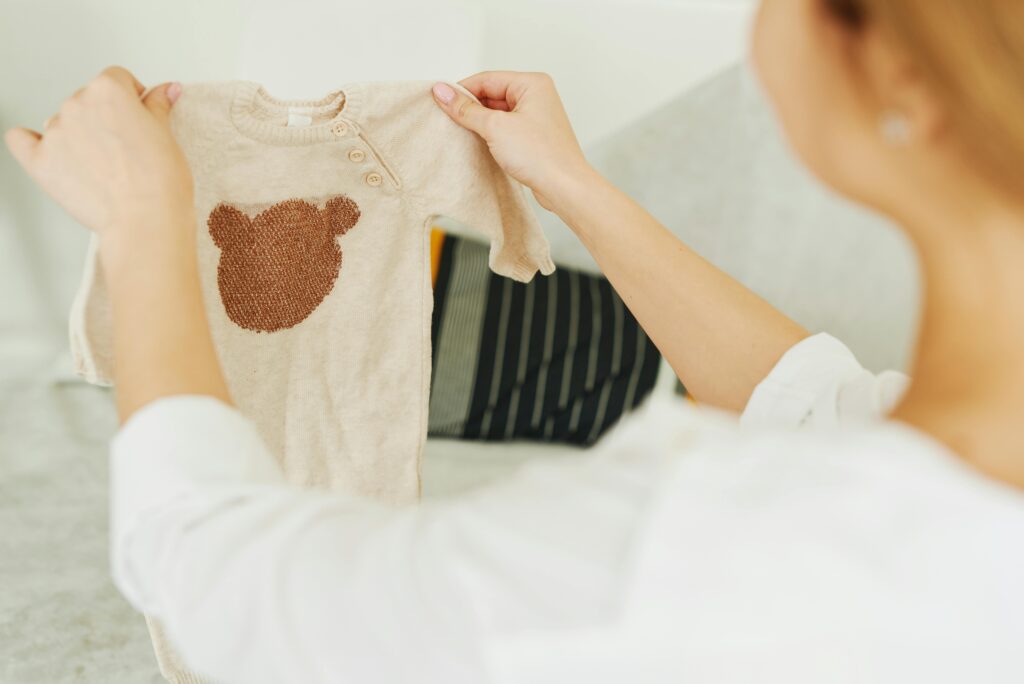
In Sri Lanka’s warm climate, choosing the right baby clothes is crucial. Look for breathable fabrics like cotton and muslin to keep your baby cool and comfortable.

Must-Have Clothing Items:

  • Short-sleeved onesies and bodysuits
  • Lightweight sleepsuits
  • Cotton socks and mittens (for cold nights)
  • Hats to protect from the sun
  • Swaddling blankets

Pro Tip:

Always check for hypoallergenic and chemical-free materials when buying baby clothes in Sri Lanka to avoid skin irritation, specially if you are buying clothes with prints.


2. Diapering Essentials

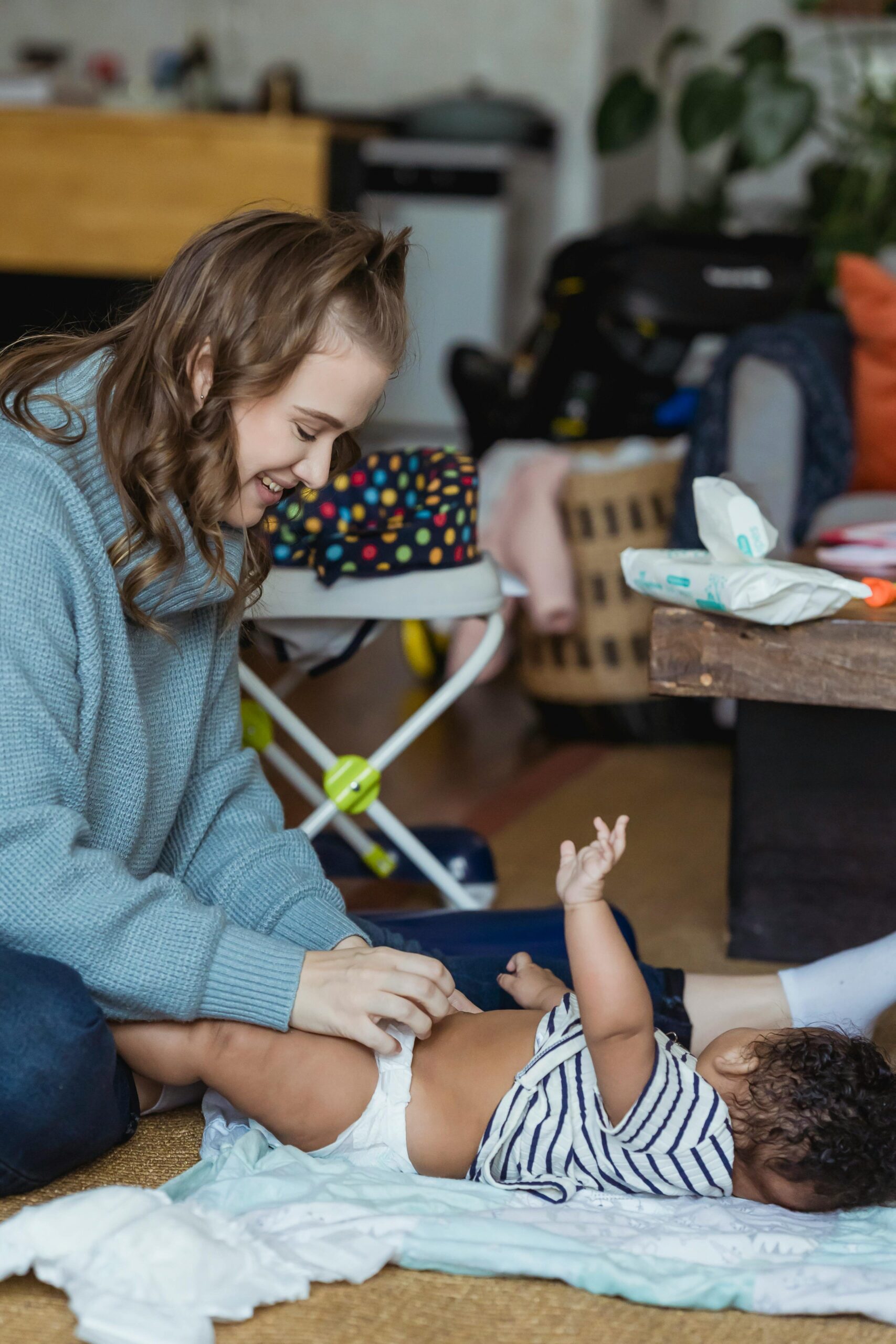
Diapering is an unavoidable aspect of parenting, and having the right tools makes the process easier and make both you and your kid happy.

Diaper Options in Sri Lanka:

  • Disposable diapers: Widely available in supermarkets and online.
  • Cloth diapers: Environmentally friendly and reusable.

Other Must-Haves:

  • Diaper rash cream – Must have considering the warm climate of the country.
  • Wipes (unscented and alcohol-free) – To wipe between changes
  • Changing mats

3. Feeding Gear for Babies

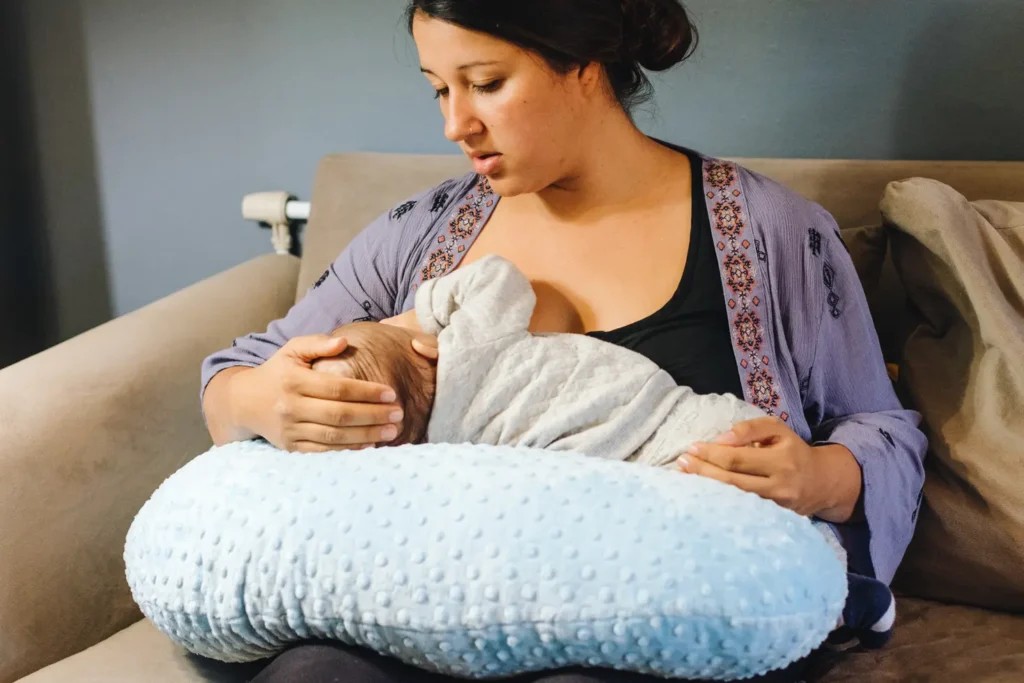
Feeding your baby, whether breastfeeding or formula feeding, requires preparation and the right tools for both your’s and your baby’s comfort. Remember, you both will be doing this considerable amount of time both day and night.

Key Feeding Gear:

  • Nursing pillows and covers
  • Sterilizers for bottles
  • BPA-free baby bottles
  • Bibs and burp cloths

Local Tip:

For breastfeeding moms, Sri Lanka offers natural lactation teas and herbal remedies to enhance milk supply and you can always get advise from your support groups on what foods to have that will increase the milk production.


4. Baby Furniture and Sleeping Arrangements

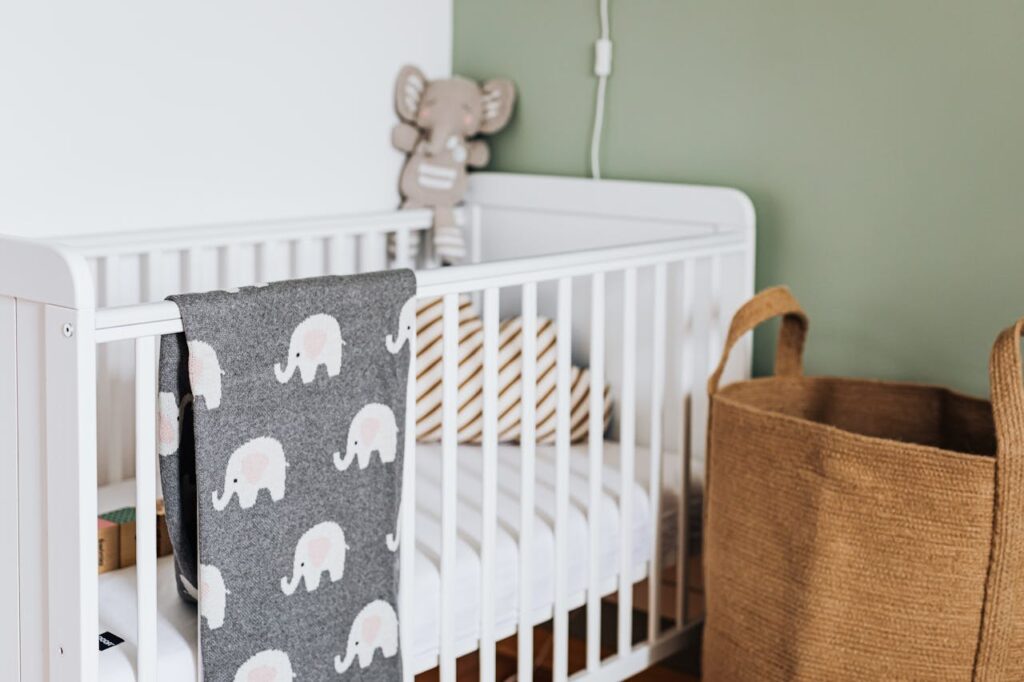
Ensuring your baby has a safe and comfortable place to sleep is critical for their growth and well-being.

Essential Baby Furniture:

  • Co-sleepers for convenience – trust me you will be co-sleeping most of the time
  • Baby-friendly mosquito nets
  • Extra pillows
  • Crib with a firm mattress

Budget Tip:

Many parents in Sri Lanka opt for second-hand baby furniture, which can be refurbished and sanitized to save money.


5. Baby Transport Gear

Getting around with your baby is easier with the right transport essentials. Your baby might be a few kilos in weight, but it’s not easy to carry a tossing and turning baby for a long time. And both the baby and you will feel better with the right transport gear.

Must-Have Transport Items:

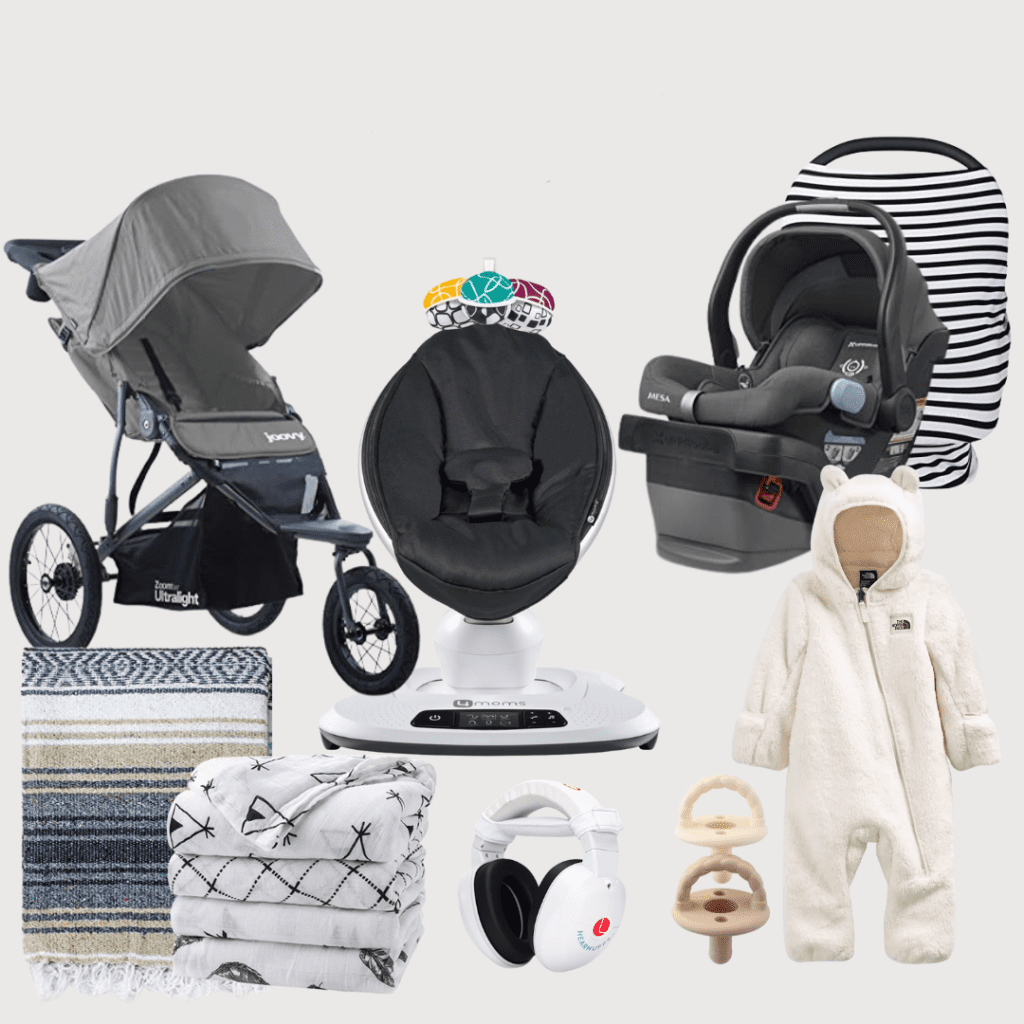
  • Baby carriers or slings: Ideal for local commutes.
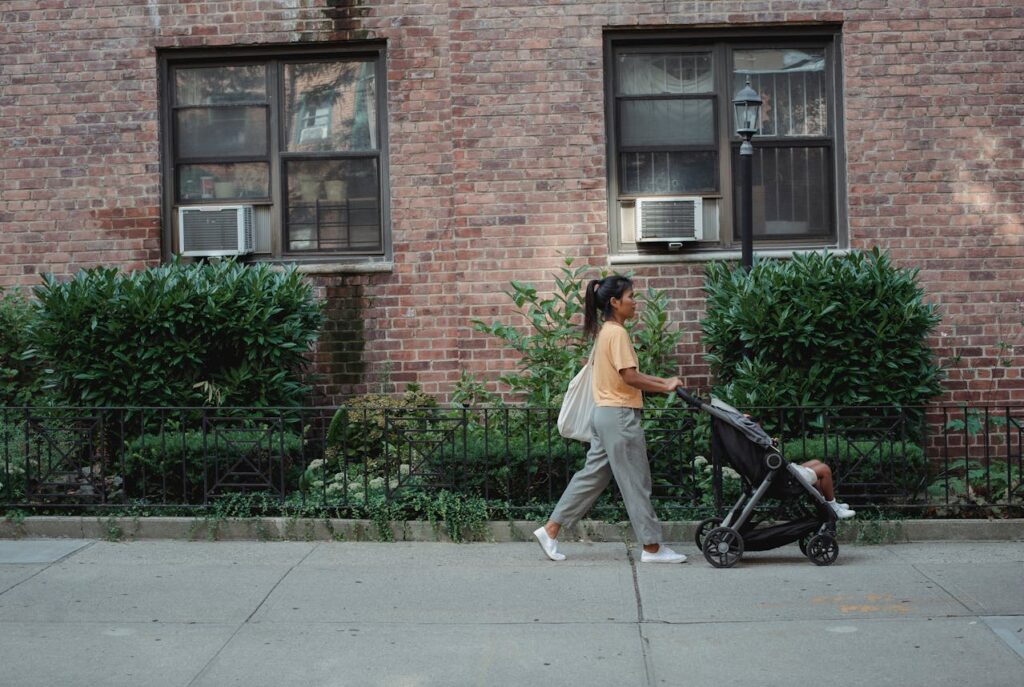
  • Strollers: Lightweight models are perfect for Sri Lanka’s urban areas.
  • Car seats: A safe way to carry a baby in a car even unattended – A legal requirement for infants.

Consideration:

Invest in compact, foldable, good-quality strollers for convenience in Sri Lanka’s crowded public spaces.


6. Health and Safety Essentials

Your baby’s health and safety are a top priority, and having the right gear will help in giving you peace of mind knowing that your newborn is safe and sound. Whether it’s keeping your child safe by preventing or giving the necessary care by diagnosing the problem, the right gear will solve lots of headaches for new parents, especially, with babies, who can only cry whatever the matter.

Essential Safety Items:

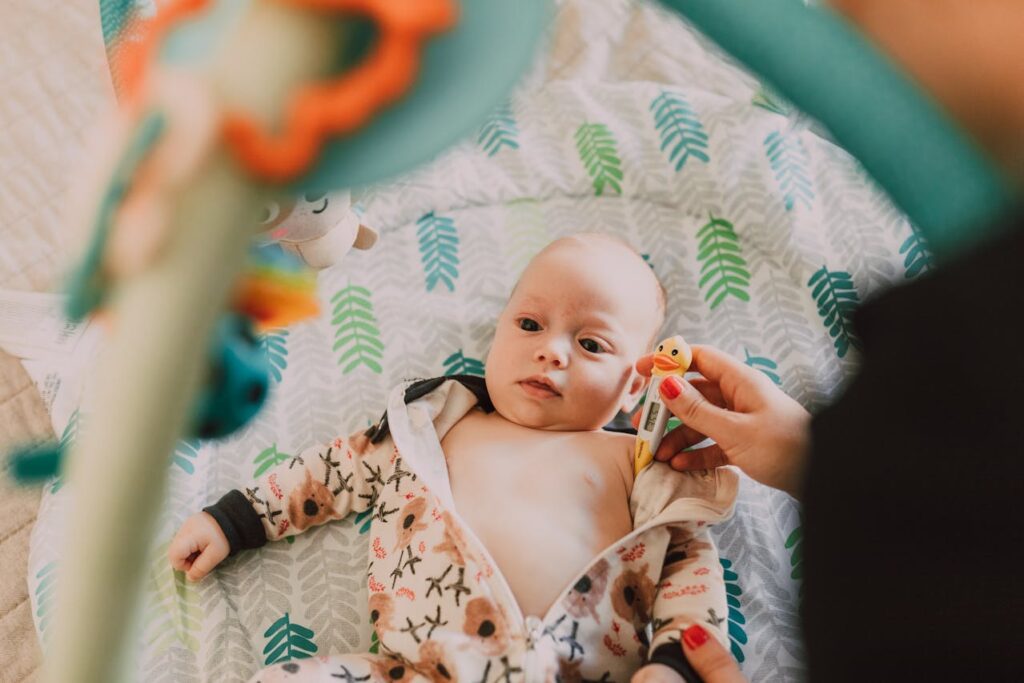
  • Thermometers (digital and ear thermometers)
  • Baby-proofing gear: Outlet covers, corner guards, and safety latches.
  • First-aid kits for minor injuries

7. Bathing and Skincare Essentials

Bath time is not only about cleanliness but also about bonding with your baby. And obviously, babies need special gear and care when it comes to bathing.

Key Bathing Items:

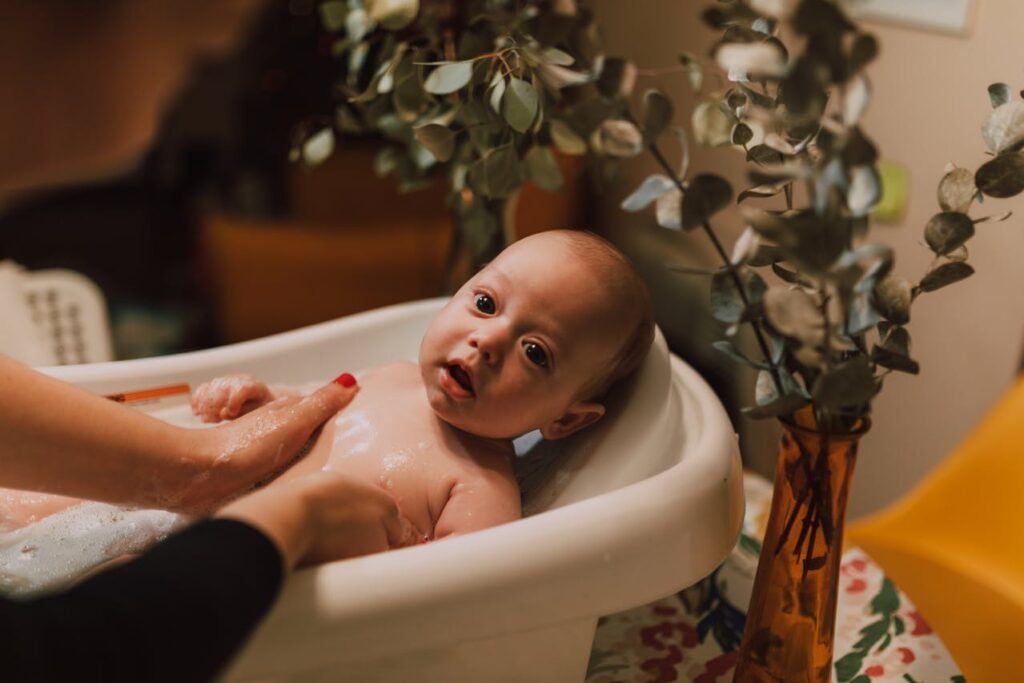
  • Baby bathtubs or tubs with built-in support (for your and baby’s safety and comfort)
  • Mild, baby-safe soap and / or shampoo
  • Soft towels and washcloths
  • Bathing toys – after all it’s about having fun as well

Skincare Must-Haves:

  • Coconut oil is widely used in Sri Lanka, for baby massages.
  • Diaper rash creams with soothing ingredients – Sri Lanka is a hot and humid country.

8. Toys and Developmental Gear

Toys play a significant role in your baby’s sensory and motor skill development. The right age-appropriate toys will be both fun and educational for your child.

Popular Baby Toys:

  • Rattles and teething toys
  • Soft plushies
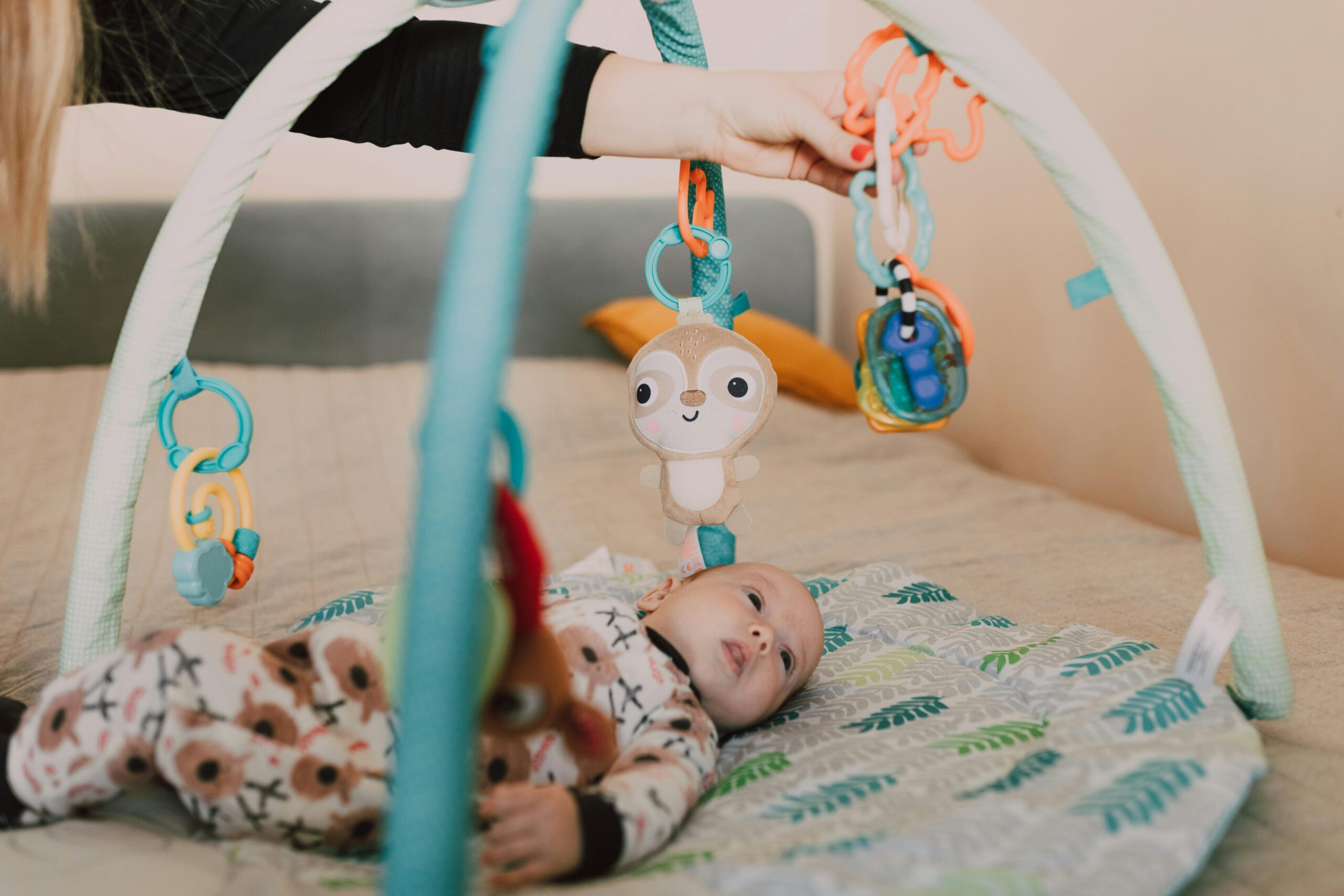
  • Activity gyms and play mats

Local Option:

Look for handcrafted, eco-friendly toys made in Sri Lanka.


9. Where to Buy Essential Baby Gear in Sri Lanka

In Sri Lanka, you can find essential baby gear both online and in physical stores.

Popular Options:

  • Online Stores:
    • Kapruka
    • Takas.lk
    • Daraz.lk etc
  • Local Shops:
    • Baby Mart
    • Velona
    • Arpico Supercenters etc

Pro Tip:

Watch for seasonal discounts and bundle offers to save money on baby essentials.


Final Thoughts: Simplify Your Parenting Journey

Choosing essential baby gear in Sri Lanka as a new parent doesn’t have to be overwhelming. Focus on what your baby truly needs and invest in high-quality, durable items. This approach not only saves money but also ensures your little one’s comfort and safety.

And at the same time, make sure you only buy the essentials, without wasting your hard-earned money to follow a trend and buy something that you will only use once or never.

By following this guide, you’ll be well-prepared to handle the joys and challenges of parenting while providing the best care for your child.