Posted on Leave a comment

Cow’s Milk for Babies: When to Start, How Much, and What Parents Should Know

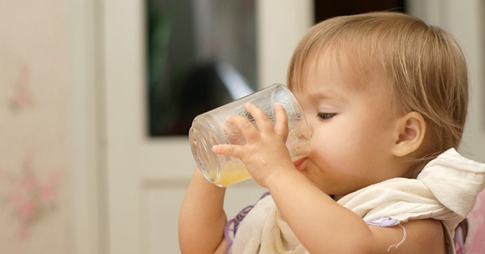
Cows Milk

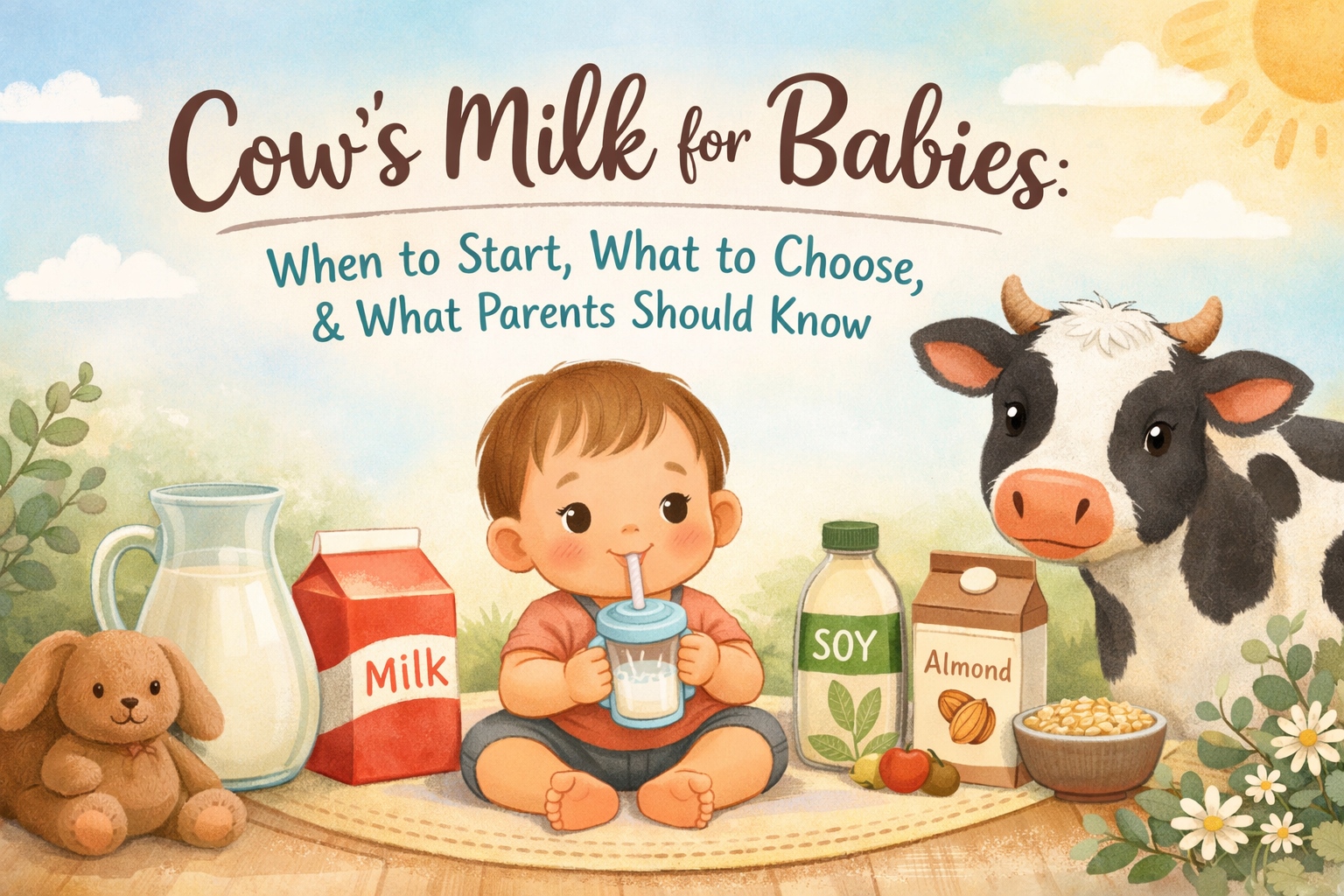
At Tiny Taprobanes, we believe that small, informed choices can make a big difference in your child’s early years. One question many parents ask as their baby approaches toddlerhood is when it’s safe to introduce cow’s milk. While cow’s milk is a familiar part of many family meals, a baby’s growing body needs time before it can handle it safely. Introducing cow’s milk too early—or in the wrong form—can affect digestion, nutrient absorption, and overall health. In this guide, we gently walk you through when and how to introduce cow’s milk to your baby, the types of milk available, suitable alternatives, and what to know about cow’s milk allergy and lactose intolerance, so you can make confident, thoughtful feeding decisions for your little one.

When to introduce cow’s milk?

It is advised by specialists to introduce cow’s milk at 1 year of age, but not before. Cow’s milk before your child turns one can lead to the following:

  • Put them at risk of intestinal bleeding
  • Its high protein, fat and mineral content may be too much for the kidneys and hard to digest.
  • Do not contain the right composition of nutrients according to the baby’s requirements.

Types of cow’s milk and other types of milk alternatives

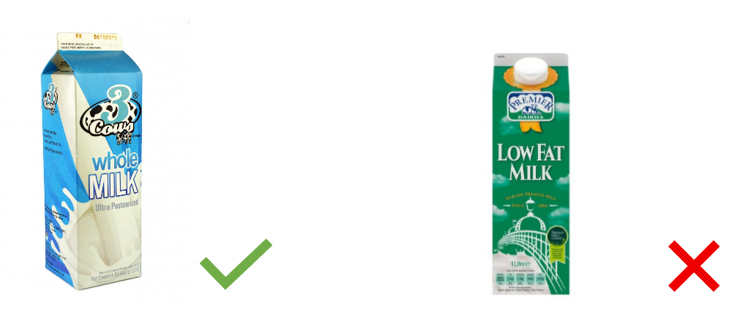
1. Whole cow’s milk versus low-fat cow’s milk:

Whole cow’s milk is preferred over the latter due to its high fat content, as it is essential for your baby’s brain development. However, in cases where there is a family history of obesity, high cholesterol, and cardiovascular disease, it is best to consult your doctor on deciding the type of cow’s milk to give.
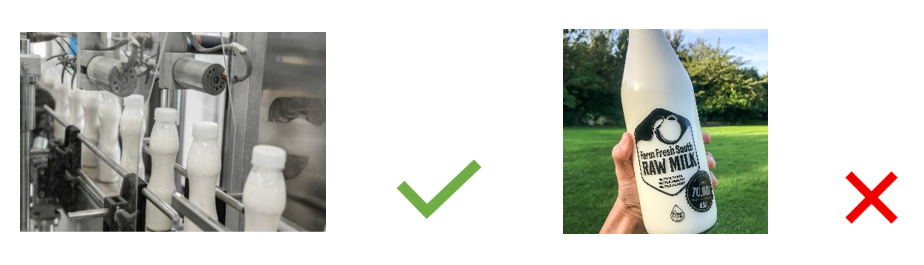
2. Raw/ unpasteurised cow’s milk versus pasteurised cow’s milk:

Never give any raw milk products from cows, goats or sheep, for they contain harmful bacteria that can be life-threatening for your baby. Therefore, always go for pasteurised milk products.
3. Plant-based milk alternatives:

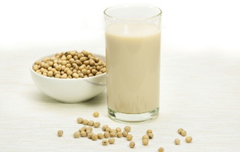
They should not be given before 1 year of age. Although there are many options like soy, oats, almond, coconut and cashew, the best and only alternative that would meet the baby’s requirements would be soy beverages. Choose one which is unflavoured, unsweetened, with no added sugars and fortified with calcium and vitamin D.
How to introduce cow’s milk

After 1yr the cup with a straw or Sippy cups are encouraged over bottles. So, it’s good to introduce milk via a cup.

The main source of nutrients for your baby is solids, and cow’s milk is merely a source of calcium and vitamin D. Therefore, the amount of whole cow’s milk should be limited to not more than 24ounces per day. Moreover, large amounts of milk can lead to reduced iron absorption in the food the baby is eating, leading to iron deficiency anaemia.

If the baby rejects cow’s milk at first, it can be mixed with equal portions of breast milk or formula, and then the breast milk/ formula milk amount can be gradually tapered off.

Once your child turns 2 and has been on cow’s milk for 1 year, you can consult your doctor about changing to low-fat cow’s milk.

What is a cow’s milk allergy?

It is a common diagnosis in infants and children, which can present as early as the first few months of life up to the age of 6 years of age, due to allergy to proteins found in cow’s milk or cow’s milk-based formula.

It can present within 1hour of milk intake with symptoms like an itchy rash, vomiting, difficulty in breathing, cough and swelling of lips, tongue and throat, which can sometimes be life-threatening. There can be late symptoms like stomach pain and diarrhoea as well. If these symptoms appear in your baby, consult a doctor as soon as possible.
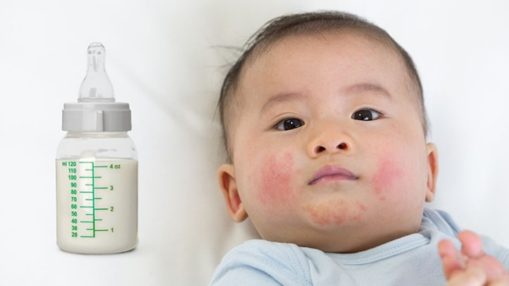
It is difficult to diagnose cow’s milk allergy due to the absence of a precise test or criteria.

The definitive treatment of cow’s milk allergy is strict elimination of cow’s milk and other dairy products from the diet and substituting them with a milk-free diet and supplements that contain vitamin D and other nutrients found in milk.

On the bright side, it has a good prognosis. Studies have found that 50% of the affected children develop tolerance at 1 year of age, above 75% at 3 years of age and more than. 90% by 6 years of age.

What is lactose intolerance?

It is a temporary condition which is caused by damage to the mucosal lining of the gut, leading to symptoms like bloating sensation and diarrhoea which appear around 30minutes to 2 hours after feeding.

It is important to distinguish this from cow’s milk allergy. Unlike lactose intolerance, the baby will experience other system involvement like rashes, difficulty breathing and other features mentioned above, in cow’s milk allergy. So, if you suspect any of these symptoms of either condition in your baby, it is best to consult a doctor quickly to come to a proper diagnosis.

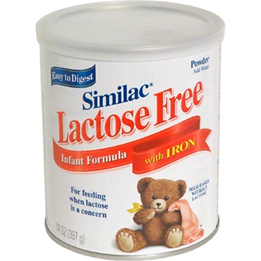
Treatment is by temporarily following a lactose-free diet or lactose-free formula for bottle-fed babies for a few weeks. 
Every baby’s feeding journey is unique, and introducing cow’s milk is an important milestone that deserves care and attention. After the age of one, pasteurised whole cow’s milk can be included in your toddler’s diet in moderation, while solid foods remain their primary source of nourishment. Understanding the right quantity, choosing safe milk options, and being aware of possible reactions—such as cow’s milk allergy or lactose intolerance—helps protect your child’s health and comfort. When you’re unsure, your paediatrician is always your best guide. At Tiny Taprobanes, we’re here to support you with simple, honest information as you nurture your little one—one mindful choice at a time.
Posted on Leave a comment

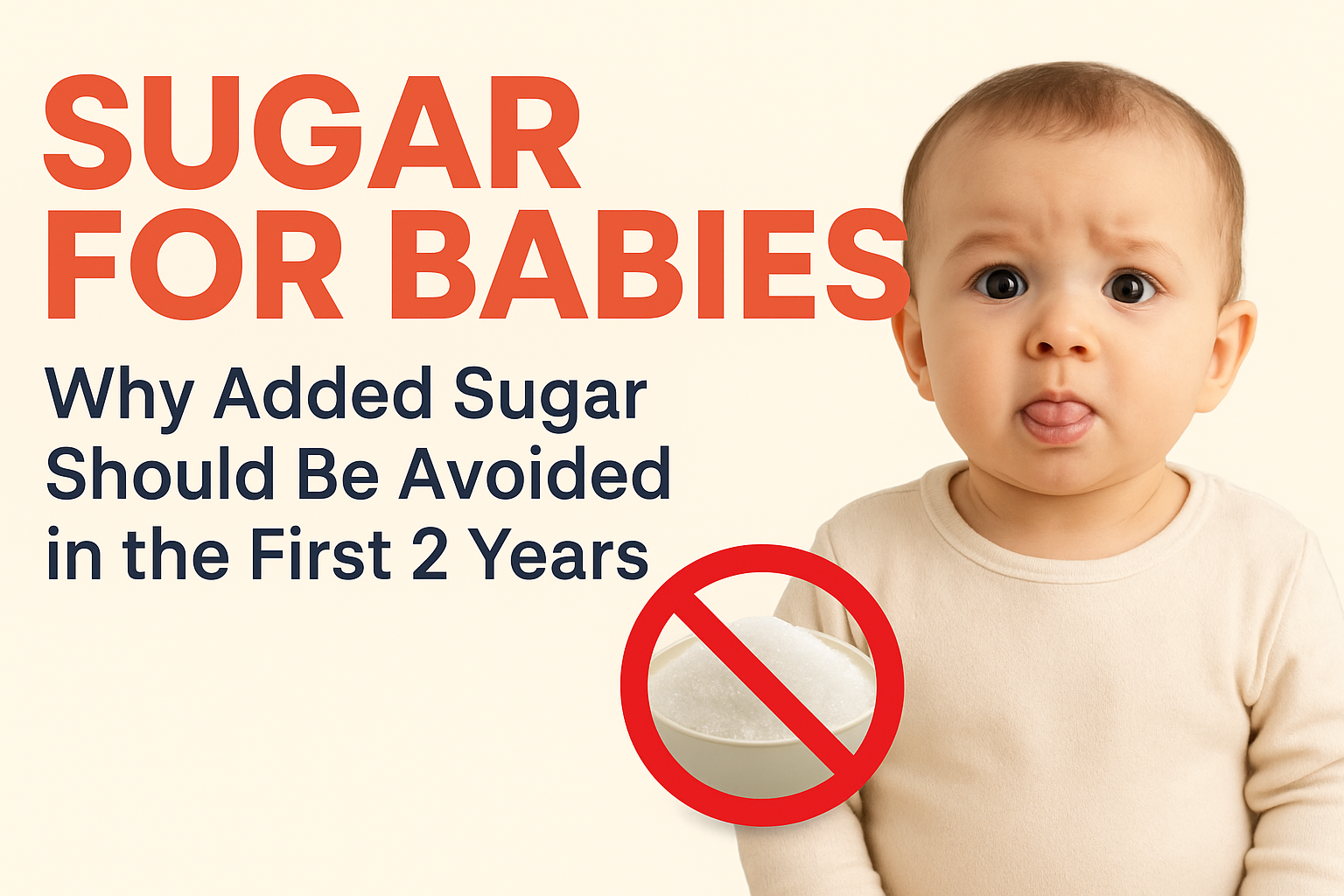
Sugar for Babies: Why Added Sugar Should Be Avoided in the First 2 Years

Sugar For Babies

Sugar is one of the most common ingredients in modern diets, yet it is also one of the most misunderstood—especially when it comes to babies. Many parents are unsure whether sugar is safe for infants, what types of sugar to avoid, and how early exposure may affect long-term health.

Current global guidelines, including those from the UK and the USA, strongly recommend complete avoidance of added sugars for babies under two years of age. This includes commonly offered foods such as biscuits, fruit juices, ice cream, and sweetened cereals. The first two to three years of life are a critical window for growth, brain development, and immune system strengthening, making nutrition choices during this period especially important.

This article explains what sugar is, why babies and toddlers should avoid added sugars, how early sugar intake influences lifelong eating habits, and practical ways parents can reduce sugar in their baby’s diet through simple, healthier swaps.

What is sugar?

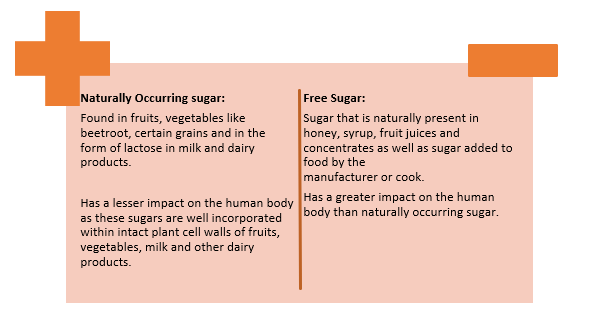
It refers to both naturally occurring sugar and free sugar.

Which age group should be more concerned about avoiding sugars?

All recent UK and USA guidelines have advised to
Complete avoidance of all added sugars for children under 2 years.” This certainly means no ice cream or birthday cake for babies until 2 years of age.

Why do foods with added sugars need to be eliminated from a baby’s diet?

  1. Children grow in their weight, height, brain and immune systems in the fastest pace during 1st 3yrs of life. Therefore, their nutrient requirement is high. If they consume foods with added sugars during this time, they won’t have space for healthy fats, proteins, minerals and vitamins, replacing them with sugars that are of less importance. For example, if they eat ice cream or biscuits, they won’t be hungry for the food they actually require.
  • Studies have shown that what a baby eats during the first year of life can affect their food choices later in life. Taste preferences are formed during this period, and therefore if very sweet foods, fruit juices and sweetened cereals are given early, they may crave for them more as they get older.

How to curb your baby’s sugar intake?

  • Since birth, babies are most familiar with the sweetened taste due to the lactose present in breastmilk. Therefore, when starting solids, a variety of all tastes should be introduced, including savoury tastes found in proteins and vegetables, instead of blending them with fruits to get a sweet taste. Then the preference for sweet taste in your toddler will reduce in later stages.
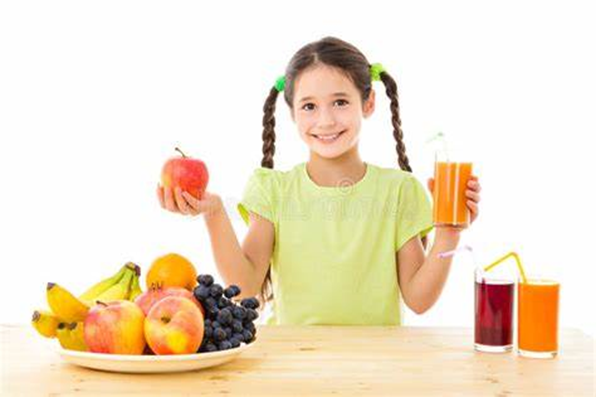
  • Avoid 100% fruit juices until the baby is one, and thereafter, limit fruit juices as much as possible. Instead, encourage fresh fruits.
  • Sugar-sweetened beverages like soda, sports drinks, drinks labelled as fruit drinks or fruit flavoured drinks, fruit punch and flavoured waters should be avoided at all costs. They contain added sugars, which are far worse than fruit juices. Therefore, they are not recommended in children under the age of two and should be of limited use in older age groups as well.
  • Avoid toddler formulas with added sugars.
  • Avoid sweetened plant-based milk alternatives such as sweetened oat or almond milk.
  • When preparing and serving food, use fruits like banana and apple which brings out the sweet taste, instead of added sugars like honey, maple syrup or sugar cane.
  • When purchasing yoghurt, cereals and peanut butter for your little one, go through the food labels and select unsweetened products with no added sugars.
  • Avoid Ice cream.

Simple Swaps

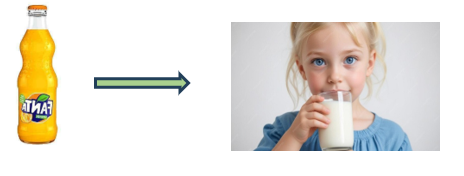
  • Sugary drinks (Fanta, Cream Soda) > water, fresh milk, formula
  • Fruit juices > soft fruits like banana, papaw, mango, etc
  • Ice cream > plain yoghurt mixed with fruits
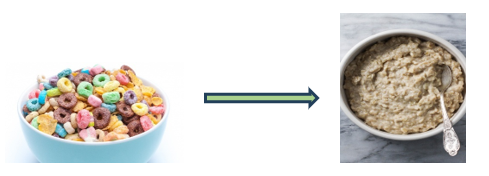
  • Sugary Cereals > Oats
  • Cookies and biscuits > Rusks

Benefits of cutting down sugar early in life:

A Study in the UK has found that cutting down sugar from conception to 1st 2years of life (1st 1000 days of life) reduces the risk of developing significant health issues in adulthood. This study has shown that restricting sugar intake during this vital period reduced the risk of developing type 2 diabetes by 35% and high blood pressure by 20%. This analysis has also revealed a 30% decline in the risk of obesity in babies with limited sugar intake.

Reducing sugar in a baby’s diet is one of the most powerful steps parents can take to support lifelong health. The first 1,000 days—from conception to a child’s second birthday—play a crucial role in shaping taste preferences, metabolism, and disease risk later in life. Research clearly shows that limiting added sugars during this period can significantly reduce the risk of obesity, type 2 diabetes, and high blood pressure in adulthood.

By offering whole foods, fresh fruits instead of juices, unsweetened dairy products, and naturally sweet alternatives, parents can help their babies develop a balanced palate without relying on added sugars. Simple swaps and mindful food choices not only meet a baby’s high nutritional needs but also set the foundation for healthier eating habits in the years to come.

When it comes to sugar and babies, less truly is more—and avoiding added sugars early can lead to lasting benefits for your child’s health and well-being.

Posted on Leave a comment

Yoghurts – Good and Bad for Babies

What is yoghurt?

It is a form of milk that is fermented by bacteria.

When can yoghurt be introduced to babies?

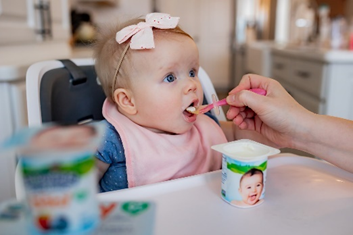
Yoghurt can be given as soon as solids are started, the average age being 6months. It is composed of the exact first texture for babies. However, it has to be kept in mind that there is a vast difference between the yoghurt that we eat as adults and the yoghurt given to infants and toddlers.

Why offer yoghurt?

  • Yoghurt has the perfect first texture for babies from right at the beginning of weaning.
  • It is a good source of calories, calcium, fat, protein and iodine, which can be hard to get enough of, if your child doesn’t eat fish or dairy.
  • Yoghurt can be offered easily mixed with curries, fruits, porridge, oats, etc.
  • In Sri Lanka, the first recommended food is smashed rice to which pulses, fish, oil, vegetables are added in stepwise. Once the baby turns one, parents commonly encounter difficulties with feeding due to preference to taste by babies. At these moments, yoghurt can be mixed with rice and other nutrients, which will make feeding easier, thus the meal will be enjoyed by babies.

Why yoghurt, but not cow’s milk?

Cow’s milk isn’t allowed in babies at least till 12months old, as it is not an adequate fat and nutrient replacement of breast milk or formula. Moreover, babies cannot digest cow’s milk as easily as breast milk or formula. However, a little bit of cow’s milk that is occasionally served in yoghurt won’t hurt the baby.

Why should parents be concerned about yoghurt?

As opposed to the overwhelming varieties of yoghurt out there in the market, many of them contain a high content of added sugars, which are not ideal to offer regularly to children. Fruit flavoured yoghurt also contains fruit in the form of added sugar such as fruit concentrates, fruit juices or fruit purees. Some have plain old table sugar added to it. Therefore, it is important to go through the sugar content on labels before offering these to your child, as frequent excess sugar intake can lead to childhood obesity and tooth decay.

What is the best yoghurt to offer to your baby?

The standard yoghurt of choice is full-fat plain yoghurt.
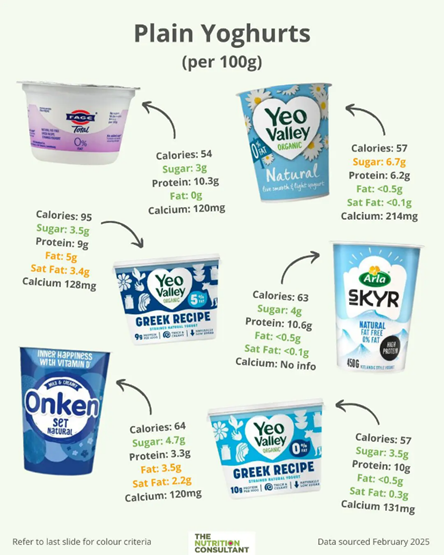
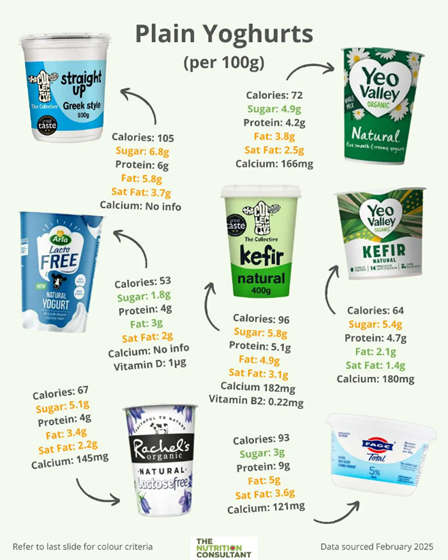
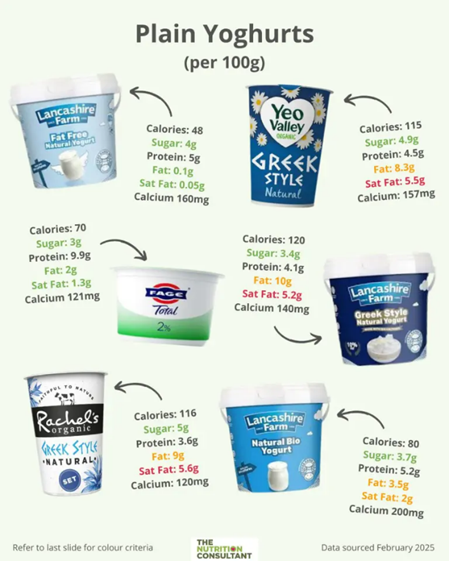
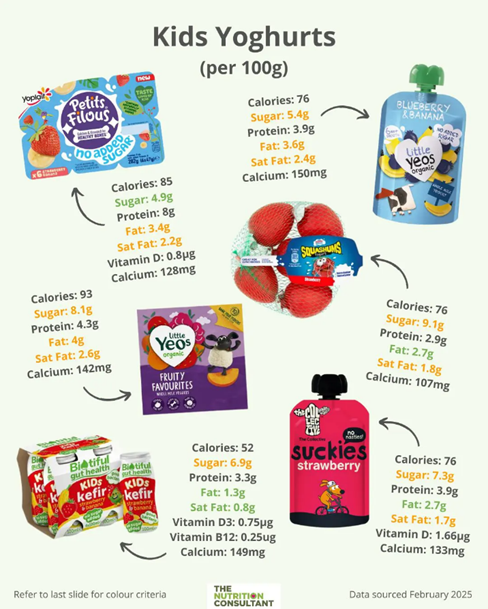
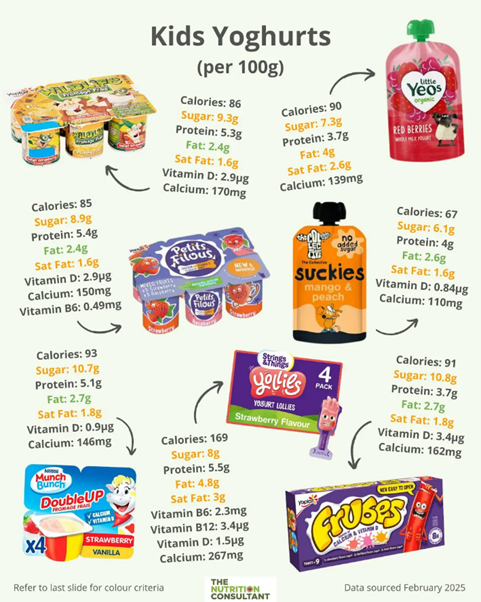
The key qualities of yoghurt that can be offered to babies, according to Consultant Nutritionist/ Dr. Charlotte Stirling Reed (Registered nutritionist with the Association of Nutrition at the NHS) are listed below.

  • Full fat – Full fat is essential for growth, as most of the growth process occurs during childhood. Hence, reduced-fat yoghurt options are no longer recommended for children due to their inadequacy in energy or fat.
  • Saturated fat can cause certain adverse health conditions, and therefore unsaturated fats (avocado, nuts, seeds, olive oil, oily fish, etc) are prioritised over saturated fats. However, if your little one doesn’t get many foods high in saturated fats like processed meat, butter or coconut oil, a little bit of yoghurt will cause no harm.
  • Plain – No added extra ingredients
  • No added sugars, including fruit juice and fruit concentrates – There will be sugars naturally present in yoghurt, and this amount is usually very small at 5-6g/100g. If you want added fruity flavours in your child’s yoghurt, you can always add fresh fruits at home. It will provide them with more nutrients rather than added sugars.

Considering all the above features of yoghurt, Greek yoghurt is perfect to begin with, from 6 months onwards, because it clings well to spoons and hands, making it easier to self-feed.

Below are some examples of yoghurt varieties for kids in the UK, as recommended by Consultant Nutritionist/ Dr. Charlotte Stirling Reed, with their respective nutrient contents.

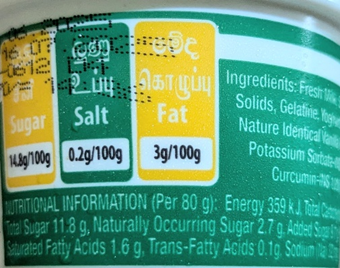
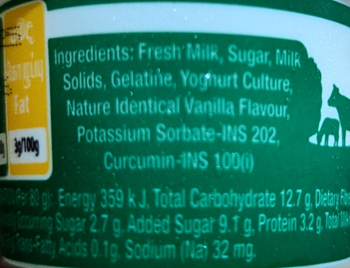
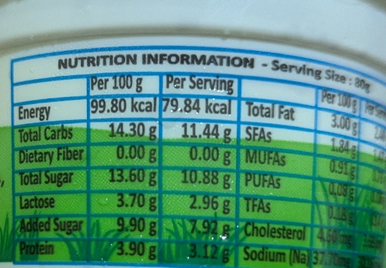
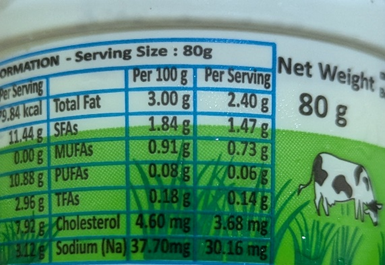
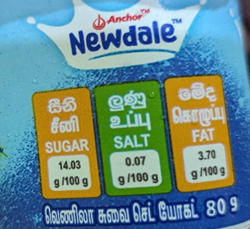
Here are a few Sri Lankan varieties of yoghurt analysed according to their nutrient value.

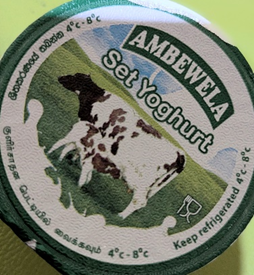
AMBEWELA

Naturally occurring sugar2.7g/80g
Added sugar9.1g/80g
Protein3.2g/80g
Total fat3g/100g
Saturated fat1.6g/80g
CalciumNot given

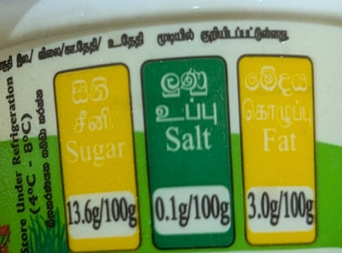
HIGHLAND

Energy99kcal/100g
Total sugar13.6g/100g
Added sugar9.9g/100g
Protein3.9g/100g
Total fat3g/100g
Saturated fat1.84g/100g

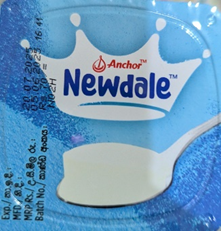
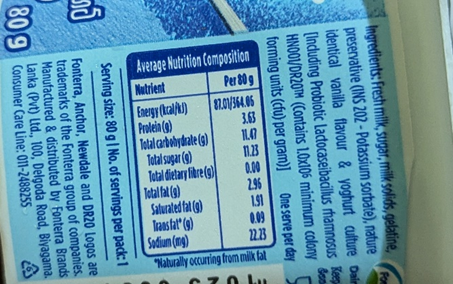
NEWDALE

Energy87kcal/80g
Total sugar11.23g/80g
Protein3.63g/80g
Total fat2.96g/80g
Saturated fat1.91g/80g
Added flavoursNature identical vanilla flavour

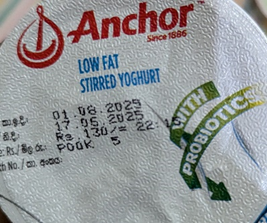
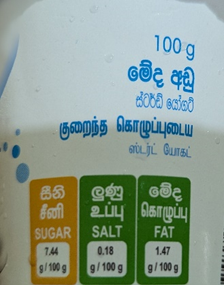
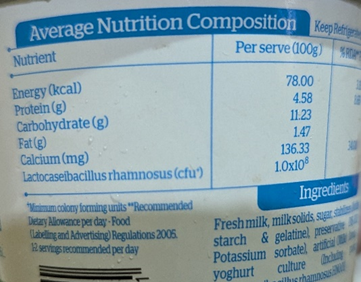
ANCHOR

Energy78kcal/100g
Total Sugar7.44/100g
Fat1.47/100g
Protein4.58/100g
Calcium136mg/100g
Added flavoursArtificail milk flavour

In conclusion, Sri Lankan yoghurt contains much more sugar content than the ones in the UK. Even the yoghurts that are used mostly by moms at around 8 to 9 months of age, such as HIGHLAND and AMBEWELA, have a considerable amount of added sugars in addition to the naturally occurring sugar content. Therefore, it is best to avoid them in children younger than 2 years, as sugar is not recommended in that age group, for it can cause tooth decay, obesity and other metabolic problems. It is best to go for options like Greek yoghurt and other varieties targeted specially for kids, which are now available in a few Sri Lankan stores, instead of the above.

Can yoghurt cause an allergic reaction in babies?

As stated above, yoghurt is most commonly made from cow’s milk, which is a common allergen among young children. Apart from this, yoghurt made from other dairy products such as sheep, goat or buffalo can cause similar allergic reactions. Therefore, when introducing yoghurt to babies, we have to be especially on the lookout for any allergic reactions.

Posted on Leave a comment

Healthy Sri Lankan Meals for Toddlers: Nutritious Twists on Traditional Recipes

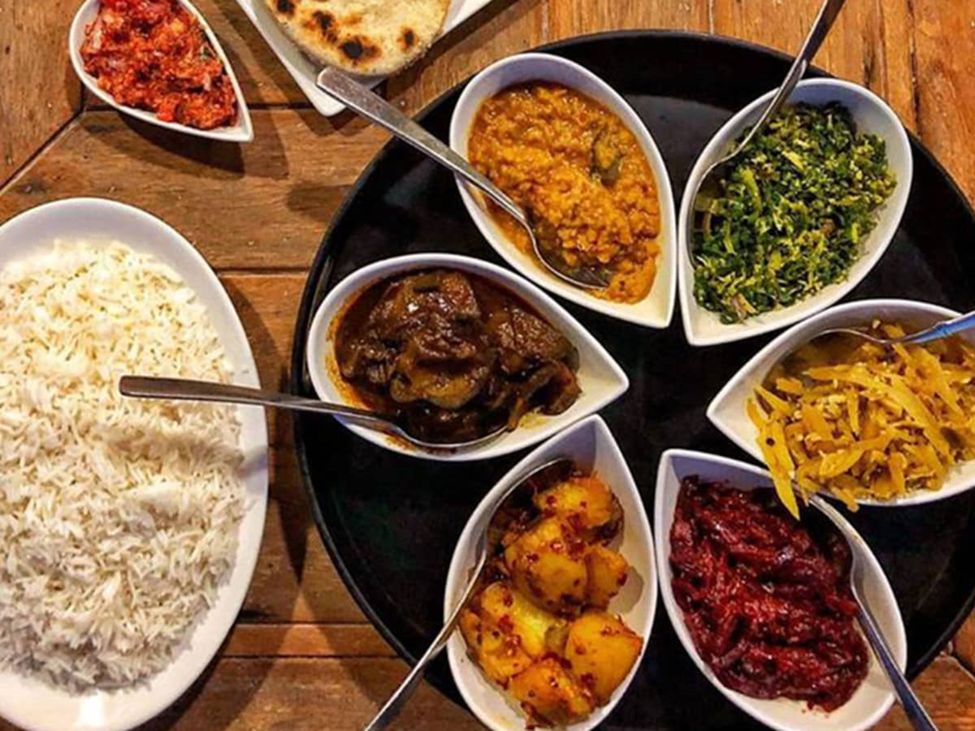
Sri Lankan cuisine is known for its vibrant flavours, rich spices, and hearty meals. However, when it comes to feeding toddlers, many traditional recipes need a few tweaks to ensure they’re suitable for little tummies. With simple modifications, parents can preserve the authenticity of Sri Lankan dishes while making them nutritious and toddler-friendly. In this article, we explore how to prepare healthy Sri Lankan meals for toddlers that are both delicious and developmentally appropriate.

Healthy Modifications to Traditional Recipes

Modifying traditional Sri Lankan recipes to suit toddlers doesn’t mean sacrificing taste. It’s about making smart, health-conscious adjustments that align with a young child’s nutritional needs.

Here are some effective ways to make traditional meals healthier for toddlers:

  • Reduce salt and sugar: Toddlers’ kidneys are still developing, and too much sodium or sugar can be harmful. Use natural sweeteners like ripe bananas or jaggery in moderation, and flavour food with herbs and spices instead of salt.
  • Switch to healthier cooking methods: Choose steaming, boiling, or grilling over frying. These methods preserve nutrients while reducing unhealthy fats.
  • Use whole grains: Replace white rice with red or brown rice, and choose whole wheat flour over refined flour when making roti or string hoppers. Whole grains offer more fiber, vitamins, and minerals.
  • Incorporate more vegetables: Add colourful vegetables like carrots, pumpkin, spinach, and beans into curries and soups to enhance the vitamin and mineral profile of meals.
  • Use coconut milk mindfully: Coconut milk is a staple in Sri Lankan cuisine and a good source of healthy fats. However, moderation is key—use thin coconut milk more frequently and thick milk occasionally.

Toddler-Friendly Modifications of Common Sri Lankan Dishes

Here are a few examples of how to adapt popular local meals:

  • Kiribath (milk rice): Use less coconut milk and serve with mashed bananas or a mild vegetable sambol instead of spicy accompaniments.
  • Parippu (dhal curry): Make it mild by reducing chilli and adding grated vegetables like carrots or spinach for an extra nutrient boost.
  • Rice and curry: Create a balanced plate with red rice, a vegetable curry, mild fish or egg curry, and a small portion of coconut sambol made less spicy.
  • String hoppers: Serve with a vegetable stew or mild coconut milk gravy rich in pumpkin or ash plantains.

Balancing Tradition with Modern Nutritional Insights

Striking the right balance between cultural food traditions and current nutritional recommendations is key to ensuring optimal toddler health. Sri Lankan food naturally contains many nutritious elements, such as lentils, vegetables, and spices with medicinal properties. However, it’s essential to be mindful of portion sizes, salt levels, and cooking methods.

Modern nutritional knowledge encourages:

  • Balanced plates: Include protein (fish, egg, lentils), complex carbs (brown rice, sweet potatoes), and a variety of vegetables.
  • Age-appropriate portions: Toddlers have small stomachs. Offering 3 main meals and 2-3 healthy snacks is ideal.
  • Minimal processed foods: Emphasise fresh, home-cooked meals over packaged snacks or artificial drinks.

By applying these principles, parents can provide healthy Sri Lankan meals for toddlers that support growth, immunity, and cognitive development, while honouring the flavours they grew up with.

Sri Lankan cuisine offers a treasure trove of flavours and nutrients that, with a few mindful tweaks, can become ideal toddler meals. By combining traditional recipes with modern nutritional insights, caregivers can give their little ones the best of both worlds—meals that are wholesome, familiar, and tailored for healthy development.

Posted on Leave a comment

Hydration for Toddlers in Sri Lanka: Best Drinks for a Tropical Climate

Hydration and Beverages for Sri Lankan Toddlers

In the tropical heat of Sri Lanka, keeping toddlers hydrated is more than just a recommendation—it’s essential for their health, energy, and overall development. While adults can recognise signs of dehydration and adjust accordingly, young children rely on caregivers to ensure they get enough fluids each day. In our previous article, we talked about infants, and this article explores the best options for hydration for toddlers in Sri Lanka, from everyday beverages to traditional herbal drinks.

The Importance of Hydration for Toddlers in Sri Lanka

Due to Sri Lanka’s high humidity and warm temperatures, toddlers are more susceptible to dehydration, especially when they are active or ill. Proper hydration supports healthy digestion, nutrient absorption, and temperature regulation. It also helps prevent constipation, a common concern in toddlers.

Signs of dehydration in toddlers may include:

  • Dry lips and mouth
  • Reduced urine output
  • Dark yellow urine
  • Fatigue or irritability

To prevent these symptoms, it’s vital to offer fluids frequently throughout the day.

Appropriate Drinks for Toddlers in Sri Lanka

1. Breast Milk (Up to 12 Months)

For infants under one year, breast milk remains the best and most natural source of hydration. It contains the right balance of water, nutrients, and electrolytes essential for a baby’s development.

2. Water (From 6 Months Onward)

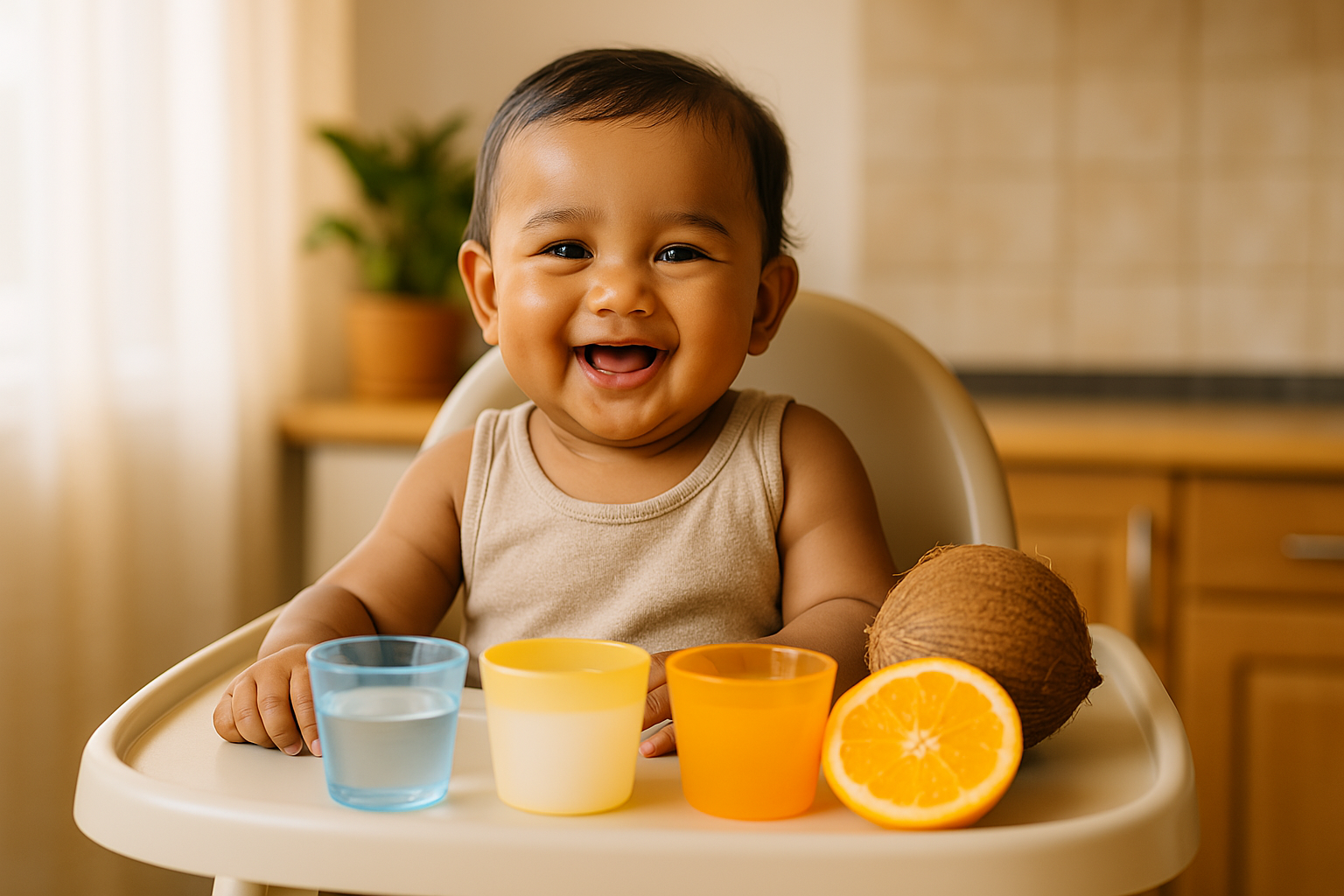
Plain boiled or filtered water should be introduced once the baby starts eating solids (around 6 months). By 12 months, water should become the primary source of hydration alongside meals and snacks.

3. Coconut Water

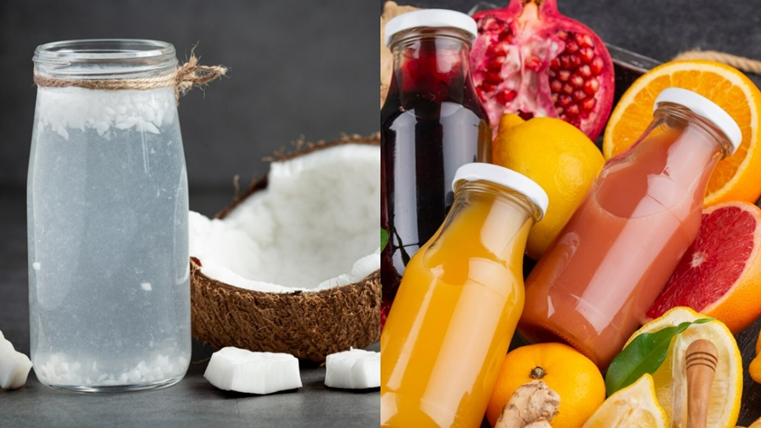
Fresh coconut water is rich in natural electrolytes like potassium and magnesium. It’s a refreshing, mildly sweet drink that’s ideal during hot weather or after playtime. Offer in moderation (¼ to ½ cup), and avoid bottled versions with added sugar or preservatives.

4. Diluted Fruit Juices

Homemade fruit juices like mango, papaya, or orange can be given to toddlers above one year. Always dilute 1:1 with water and serve only in small amounts. Juice should not replace water or whole fruits and should be served in a cup, not a bottle or sippy cup, to avoid dental issues.

5. Oral Rehydration and Electrolyte Drinks

During fever, diarrhea, or heat exhaustion, consider using oral rehydration solutions or electrolyte-rich drinks (like homemade jeera water or king coconut water) to replenish lost fluids and salts.

Traditional Herbal Beverages for Toddlers

Sri Lankan tradition offers many gentle, natural drinks that can be toddler-friendly when prepared mildly:

1. Herbal Teas

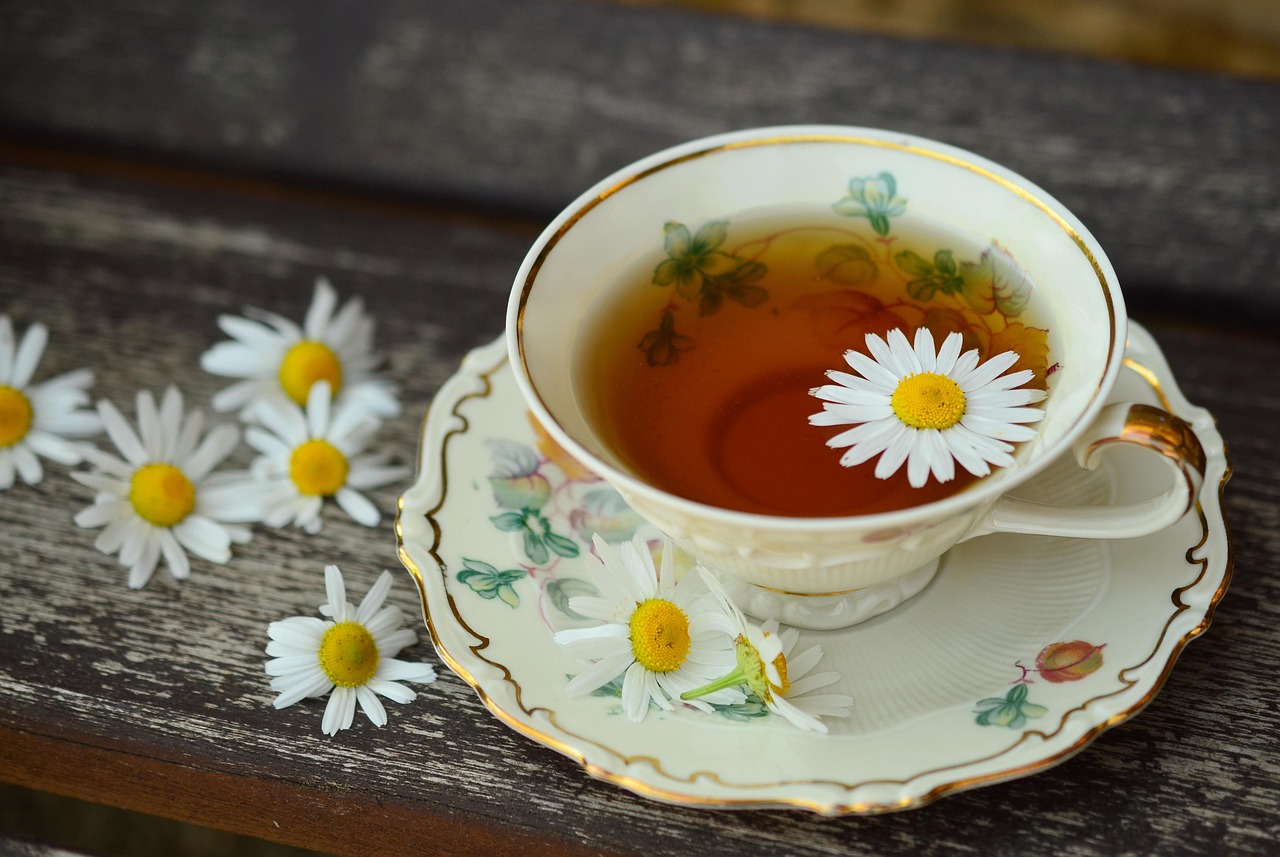
Diluted teas made from fenugreek (uluhaal), coriander seeds, or ginger can soothe mild colds or aid digestion. Always ensure they are cooled, strained, and free from strong spices or caffeine.

2. “Kanda” (Herbal Porridge)

A warm, savory rice-based drink made with leafy greens and herbs like gotukola, hathawariya, or karapincha. This can be introduced in toddler meals and is excellent for nutrition and hydration.

3. Mild Rasam

A South Indian broth made with tamarind, tomato, and mild spices. When adjusted to a toddler’s palate (less salt and spice), rasam can be a nutritious and hydrating soup.

Tips for Encouraging Fluid Intake in Toddlers

  • Offer small amounts of water frequently throughout the day.
  • Use colourful, toddler-friendly cups or straws to make drinking more fun.
  • Include hydrating foods like watermelon, cucumber, and papaya in their diet.
  • Avoid sugary drinks, soft drinks, and energy drinks, which can harm developing kidneys and teeth.

Maintaining hydration for toddlers in Sri Lanka requires attention to both the climate and your child’s daily routine. By offering a mix of water, traditional drinks, and occasional healthy juices, you can ensure your child stays refreshed, energized, and nourished—especially in the island’s warm tropical weather.

Posted on Leave a comment

Creating Balanced Meals for Sri Lankan Toddlers

Balanced Diet for Toddlers

Ensuring Sri Lankan toddlers receive balanced nutrition involves understanding their dietary needs and planning meals accordingly. A balanced meals for Sri Lankan toddlers are crucial for their growth, development, and long-term health. Sri Lankan cuisine, rich in variety and flavor, offers numerous options for creating nutritious meals.

Sample Meal Plans for Different Age Groups

Sample meal plans can serve as a guide for parents to ensure their toddlers are receiving the necessary nutrients. For instance, toddlers aged 1-2 years might require simpler meals like rice and curry, while those aged 2-3 years can handle a wider variety of foods including different vegetables and proteins.

Incorporating Variety in Daily Meals

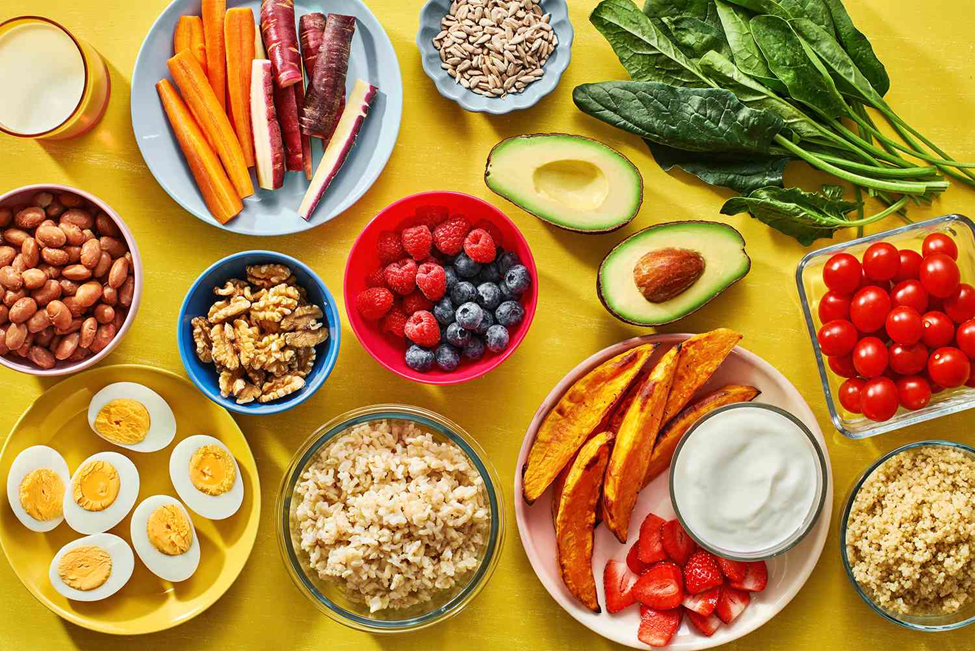
Incorporating a variety of foods into daily meals ensures that toddlers receive a broad range of nutrients. This can be achieved by including different colored vegetables, various protein sources, and a mix of whole grains in their diet. For Sri Lankan toddlers, this could mean mixing traditional dishes with new ingredients to keep meals interesting and nutritious.

For instance, adding different vegetables like carrots, beans, and sweet potatoes to curries, or introducing new fruits like papaya and pineapple as snacks. This variety not only ensures nutritional balance but also helps in developing a toddler’s palate.

Introducing New Foods to Toddlers

The process of introducing new foods to toddlers in Sri Lanka requires a thoughtful approach, balancing nutritional needs with cultural preferences. As parents navigate this critical phase, understanding the cultural context of food introduction can significantly ease the transition.

Cultural Food Progression in Sri Lanka

In Sri Lanka, traditional cuisine plays a significant role in a child’s early dietary experiences. Rice-based dishes are staples from an early age, gradually introducing various curries and sambals. This cultural food progression is not just about taste; it’s also about exposing toddlers to a variety of textures and nutrients.

A common practice is to start with soft, easily digestible foods like kirata (a rice-based gruel) and gradually move to more solid foods. This gradual introduction helps in reducing the likelihood of digestive issues and fosters acceptance of new flavors.

AgeFood IntroducedTexture
6-8 monthsRice gruel (Kirata)Soft, liquidy
8-10 monthsMashed rice and vegetablesSoft, mashed
10+ monthsCurries and sambalsSoft, liquidly

Navigating Picky Eating Phases

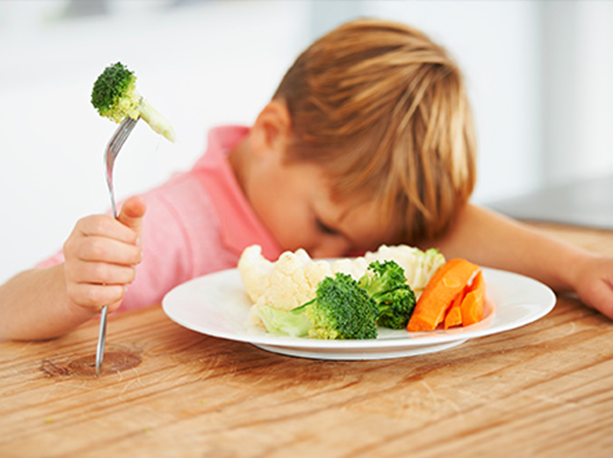
The key to dealing with picky eaters is patience and persistence. The picky eating phase is a normal part of a toddler’s development, but it requires careful handling. During this phase, toddlers often become finicky about the foods they eat, which can be a source of concern for parents.

Understanding Why Toddlers Become Picky Eaters

Toddlers become picky eaters for a variety of reasons, including their natural instinct to explore their environment and assert their independence. This behavior is a normal part of their developmental process.

At this stage, children are learning to navigate their surroundings and may express their independence through food choices. It’s essential for parents to understand that this behavior is not necessarily about the food itself but about the child’s need for control.

Techniques for Encouraging Food Acceptance

Encouraging toddlers to accept new foods can be challenging, but several techniques can make this process smoother. One effective method is to start with small amounts of new food alongside familiar dishes, gradually increasing the portion size.

Another technique is to make mealtime engaging by using different shapes and colors, which can stimulate a toddler’s curiosity.

  • Mix new foods with familiar ones
  • Be patient and consistent
  • Make mealtime fun and interactive

By adopting these strategies, parents can encourage healthy eating habits and ensure their toddlers are open to a wide range of foods, aligning with Sri Lanka’s rich culinary traditions.

Handling Food Refusal and Mealtime Tantrums

When dealing with food refusal and mealtime tantrums, it’s crucial to remain calm and patient. Avoid forcing your child to eat, as this can create negative associations with mealtime.

Instead, offer a variety of healthy options and allow your child to choose what they want to eat. This approach can help reduce mealtime conflicts.

StrategyDescriptionBenefit
Offer VarietyProvide multiple food optionsEncourages exploration of different tastes and textures
Involve in PreparationEngage toddlers in meal prepFosters interest in trying new foods
Positive Role ModelingEat and enjoy the same foodsEncourages toddlers to mimic healthy eating habits

Creating balanced meals for Sri Lankan toddlers is not just about nutrition—it’s about nurturing healthy habits and embracing cultural food traditions. By incorporating a variety of local ingredients, following age-appropriate meal plans, and patiently introducing new foods, parents can support their child’s physical and emotional development. With thoughtful planning and a touch of creativity, mealtimes can become an enjoyable and enriching part of a toddler’s daily routine.

Posted on Leave a comment

Happy Plates, Healthy Toddlers: A Parent’s Guide to The Best Foods for Toddlers

Nutrition plays a vital role in the development and growth of toddlers. Ensuring they receive the right foods for toddlers is crucial for their overall health and well-being. However, parents often face challenges in providing their children with healthy eating habits. As toddlers transition from baby food to table foods, it’s essential to understand their nutritional requirements. Managing picky eating and introducing a variety of foods can be daunting tasks for parents. This article will provide an overview of toddler nutrition and offer practical tips on healthy eating for toddlers for you to identify the best foods for toddlers

Understanding Toddler Nutrition Needs

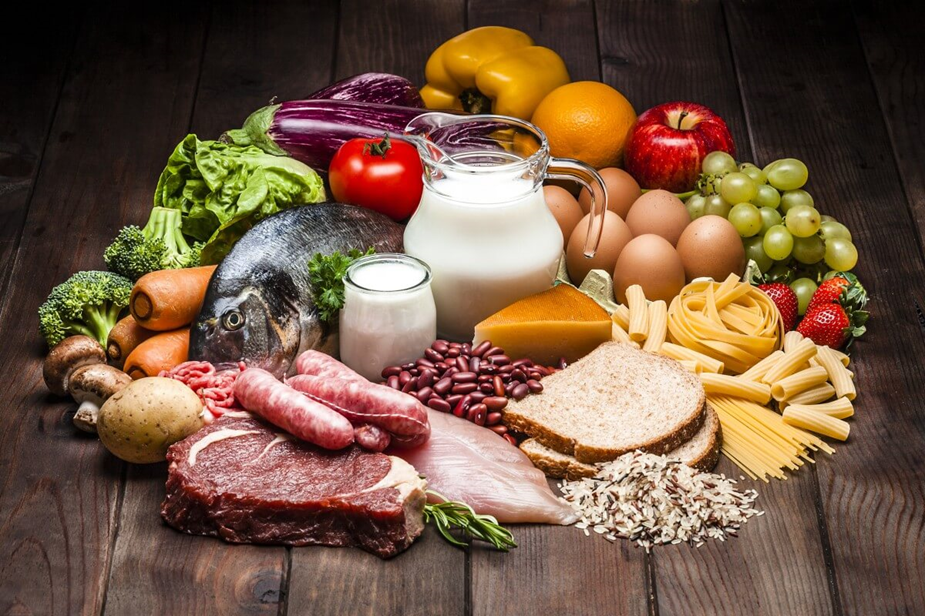
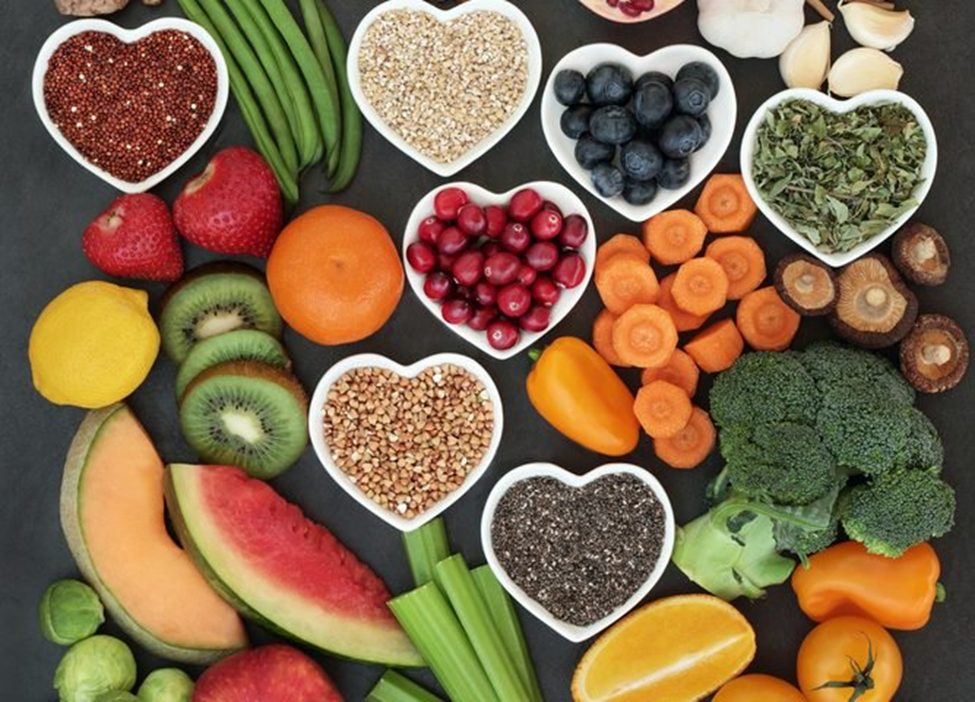
Nutrition plays a vital role in the overall health and development of toddlers, making it essential to understand their dietary needs. Toddlers require a balanced diet that includes a variety of foods to support their rapid growth and development.

During this stage, toddlers are learning to navigate solid foods and develop eating habits that can last a lifetime. Ensuring they receive the right nutrients is crucial for their overall well-being.

Essential Nutrients for Growing Toddlers

Best Foods for Toddlers

Growing toddlers require a range of essential nutrients, including:

  • Protein: for muscle growth and repair
  • Calcium: for bone development
  • Iron: for healthy red blood cells
  • Vitamin D: for bone health and immune function
  • Fiber: for healthy digestion

These nutrients are vital for supporting the toddler’s overall growth, development, and health.

How Toddler Nutrition Differs from Infants and Older Children

Toddler nutrition differs significantly from that of infants and older children. Infants rely heavily on breast milk or formula, which provides all the necessary nutrients. As children transition to toddlerhood, they begin to require a more varied diet that includes solid foods from different food groups.

In contrast to older children, toddlers have smaller stomachs and higher energy needs relative to their size, requiring nutrient-dense foods that are also easy to consume. Moreover, toddlers are learning to navigate solid foods and develop eating habits that can influence their dietary preferences later in life.

Transitioning from Baby Food to Toddler Meals

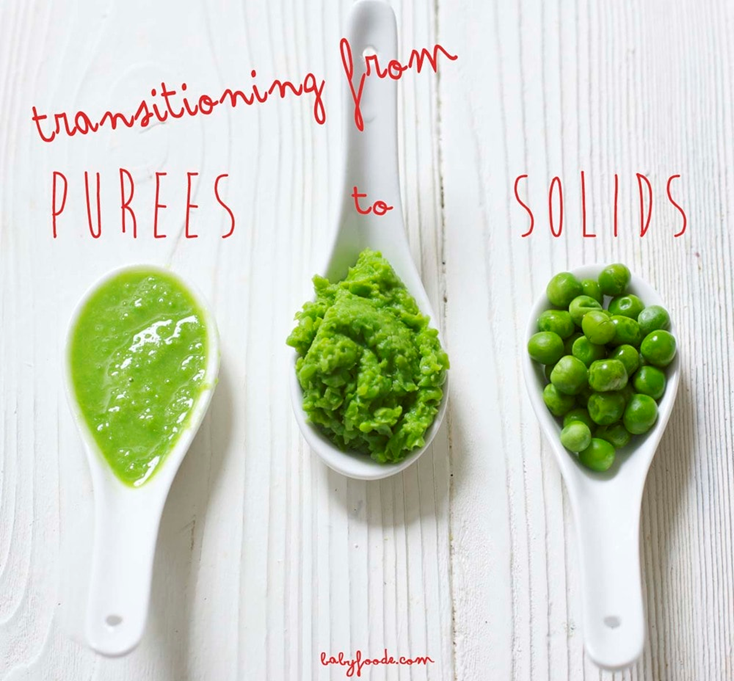
Transitioning from baby food to toddler meals is a significant milestone that requires careful planning. As toddlers begin to explore new flavours and textures, parents must ensure they are providing the necessary nutrients for growth and development.

When and How to Introduce Table Foods

Introducing table foods to toddlers should be done gradually. Start by mixing small amounts of mashed table food with their usual pureed meals. Begin with soft, easy-to-chew foods like ripe bananas or cooked vegetables. As they become accustomed to new textures, you can gradually increase the amount of table food.

Recommended Daily Intake for Sri Lankan Toddlers

The recommended daily intake for toddlers in Sri Lanka is influenced by local dietary patterns and nutritional needs. According to nutritional guidelines, Sri Lankan toddlers require a balanced diet that includes a mix of traditional foods such as rice, curries, and fruits.

A sample daily intake could include:

  • 3 main meals and 2-3 snacks in between
  • A variety of fruits and vegetables
  • Protein sources like lentils, fish, or eggs
  • Whole grains like brown rice or whole wheat bread

It’s essential for caregivers to be aware of these recommendations to ensure toddlers receive a well-rounded diet.

Essential Food Groups for Toddler Development

A well-rounded diet is key to supporting the rapid growth and development seen in toddlers, and certain food groups play a pivotal role. Ensuring that toddlers receive a balanced mix of nutrients is crucial for their overall health, energy levels, and development.

Rice-Based Dishes Suitable for Little Ones

Rice is a staple in Sri Lankan cuisine, and there are several rice-based dishes that are suitable for toddlers. Plain rice mixed with curries or sambals makes for a nutritious meal. Toddlers can benefit from these dishes when prepared with fresh ingredients and minimal spices.

Nutritious Curries and Sambals

Sri Lankan curries and sambals are not only flavorful but also packed with nutrients. Vegetable curries made with locally available vegetables like carrots, potatoes, and green beans are excellent for toddlers. Fish curries, when prepared with minimal bones and spices, can be a great source of protein. Sambals, like pol sambal (coconut sambal), are rich in healthy fats and can be made less spicy for toddlers.

  1. Vegetable curries with carrots and potatoes
  2. Fish curry with minimal bones and spices
  3. Pol sambal (coconut sambal) made less spicy

Locally Available Fruits and Their Benefits

Fruits are an essential part of a toddler’s diet, providing vital vitamins, minerals, and fiber. In Sri Lanka, some of the locally available fruits that are beneficial for toddlers include:

  • Mangoes, rich in vitamin A and fiber
  • Bananas, a good source of potassium
  • Pineapples, rich in vitamin C
  • Avocados, providing healthy fats

Vegetable Options That Toddlers Will Love

Vegetables are crucial for providing essential nutrients like vitamins, minerals, and fiber. Some toddler-friendly vegetable options in Sri Lanka include:

  • Carrots, rich in vitamin A
  • Spinach, packed with iron
  • Beets, a good source of fiber and vitamins
  • Green beans, rich in vitamins and minerals

These can be steamed, boiled, or sautéed and served alongside other meals.

Protein Sources in the Sri Lankan Diet

Protein is vital for growth and development in toddlers. Locally available protein sources include:

Protein SourceNutritional Benefit
Fish (e.g., salmon, tilapia)Rich in omega-3 fatty acids
ChickenHigh-quality protein
LentilsRich in protein and fiber
EggsExcellent source of protein

These protein sources can be prepared in various ways to make them appealing to toddlers.

Dairy and Alternatives in Sri Lanka

Dairy products and their alternatives are important for calcium intake, supporting bone development. Options available in Sri Lanka include:

  • Milk, rich in calcium
  • Yoghurt, providing probiotics
  • Cheese, a good source of calcium
  • Soy milk, Almond milk and other nut milks as dairy alternatives

These can be incorporated into meals or consumed as snacks.

Building a strong foundation of healthy eating habits during the toddler years can set the stage for a lifetime of good health. By offering a variety of nutritious, locally available foods — including rice-based meals, mild curries, fruits, vegetables, and quality protein — Sri Lankan parents can ensure their little ones get the nourishment they need to grow and thrive. While challenges like picky eating are common, patience and creativity go a long way in making mealtimes both enjoyable and nutritious. Remember, every bite counts in shaping your toddler’s lifelong relationship with food.

Posted on Leave a comment

When Can Babies Drink Water and Juice in Sri Lanka? A Parent’s Guide to Infant Hydration

Water for Babies

In Sri Lanka, where our warm climate and traditional practices often influence parenting choices, many parents wonder when it’s safe to introduce water and juice to their babies. Should you offer a little water during a hot day? Is fresh fruit juice okay for a growing baby? While family and elders might suggest starting early, modern medical advice tells a different story. This guide is designed to help Sri Lankan parents understand the right time and way to introduce water and juice, balancing cultural wisdom with expert-backed recommendations. Let’s explore what’s best for your baby’s health in those crucial early months.

Water for Infants

Many parents are unsure about when to start giving water to their babies and how much is safe. It’s a common concern, especially in warm climates like Sri Lanka. To help you make informed decisions, here are some essential facts every parent should know about offering water to infants.

  • Alkaline water (with a pH between 6.5 and 8.5) and natural mineral water are considered among the healthiest options for children.
  • Water given to infants should always be boiled and cooled or passed through a safe filter before consumption.
  • Babies can start drinking small amounts of water around 6 months, ideally when solid foods are first introduced.
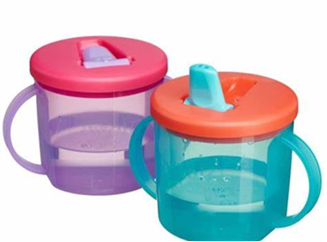
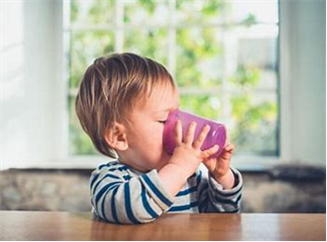
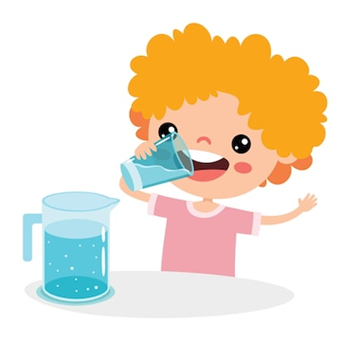
  • From 6 months onward, offering water in a free-flow cup (without a valve), and later an open cup, helps your baby learn how to sip—an important skill that also supports oral health. Although this might be messy at first, your baby will adapt with time.
  • Bottles should be gradually phased out by 12 months, as extended use may affect dental development and delay healthy drinking habits.
Free-flow Cup
Open Cup

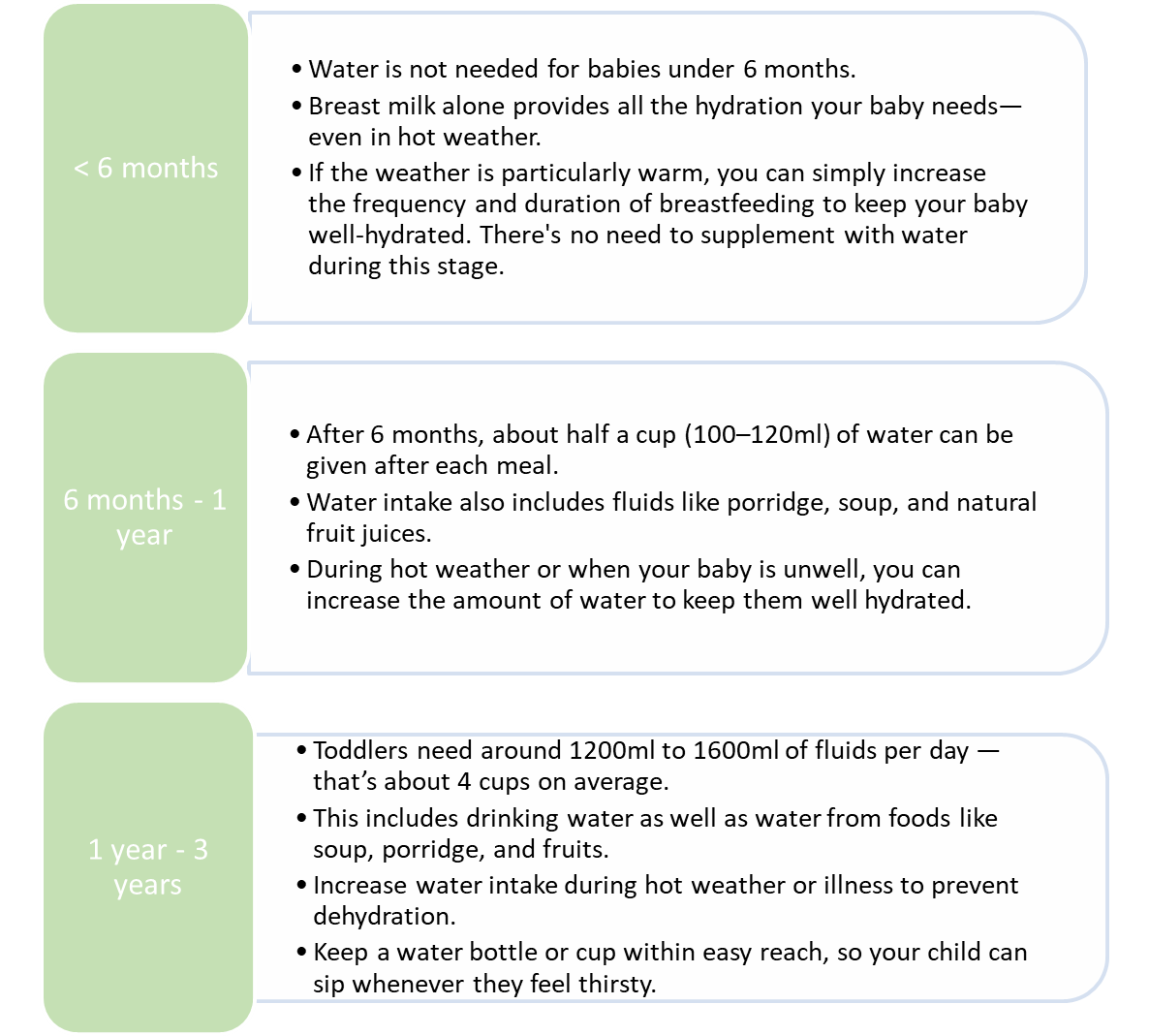
The amount of water that has to be given varies with age. It is shown in the chart below.

Water Needs for Children Aged 3–5 Years

From ages 3 to 5, children need around 5 cups (approximately 1200 –1400ml) of water per day.
This includes not only plain water but also fluids from soups, porridges, coconut water, and fresh fruit juices.

Providing water in different forms helps ensure they stay hydrated — especially during active play, hot weather, or illness.

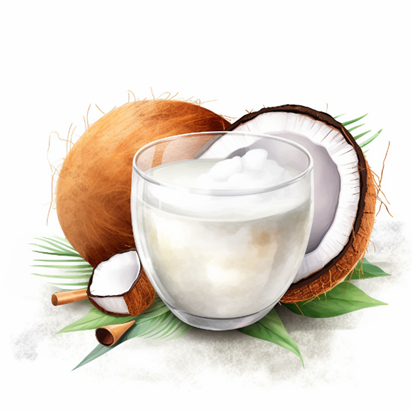
Is Coconut Water Safe for Infants?

Coconut water is a natural and refreshing drink widely available in Sri Lanka. But when it comes to introducing it to babies, many parents are unsure about its safety, benefits, and the right time to start. In this guide, we’ll explore everything you need to know about coconut water for infants, including its nutritional value, when to introduce it, and precautions to keep in mind.

Health Benefits of Coconut Water for Infants

Coconut water is packed with essential nutrients and offers several health benefits:

  • Rich in Vitamins & Minerals: Contains vitamins A, C, E, iron, calcium, magnesium, zinc, and potassium—all important for healthy growth and development.
  • Boosts Immunity: Its antioxidant properties help strengthen the immune system, protecting your baby from common illnesses like colds and flu.
  • Hydrating & Digestive Support: It is naturally hydrating and can help relieve constipation in toddlers.

When Can You Give Coconut Water to Babies?

  • Before 6 Months: Not recommended. Babies under six months should be exclusively breastfed or formula-fed, with no additional liquids.
  • 6 to 12 Months: You can introduce coconut water in small amounts (a few sips) occasionally. It should not replace breast milk, formula, or water.
  • 12+ Months: It can be offered in slightly larger quantities, but should still be given in moderation due to its natural sugar and potassium content.

How to Safely Offer Coconut Water to Your Baby

  • Fresh is Best: Use freshly cracked coconut water and strain it well to avoid pulp or large pieces that may pose a choking hazard.
  • Start Slowly: Begin with small sips and observe for any signs of allergic reactions, especially if your child has a known allergy to tree nuts.
  • Don’t Replace Water: Coconut water is not a substitute for plain drinking water and should only be a supplementary drink.

Fruit Juices for Infants

Introducing fruit juice to infants is a topic many parents in Sri Lanka have questions about. While fruits are rich in nutrients, fruit juice—even when 100% pure—should be given with caution, especially during the early years of life. Here’s what you need to know before offering fruit juice to your baby.

Is Fruit Juice Safe for Babies Under 1 Year?

According to the American Academy of Pediatrics, fruit juice is not recommended for babies under 12 months. Even 100% natural juice contains high levels of sugar and potassium, which can be hard on a baby’s developing system. Breast milk or formula is more than enough to meet their hydration and nutritional needs during the first year.

When and How to Introduce Juice Safely

Once your child turns one year old, small amounts of fresh, 100% fruit juice can be introduced as an occasional treat, but it must be done carefully:

  • Offer juice only with meals or snacks, not as a drink on its own or at bedtime.

  • Avoid prolonged sipping. Don’t let your toddler sip juice throughout the day. Sugar-coating the teeth for long periods can cause tooth decay.
  • Serve juice in an open cup or spoon, not in bottles or cups with straws.
  • Always remove the cup once the juice is finished.

Smart Tips for Offering Juice

  • Homemade is best: Always use freshly prepared fruit juices at home rather than store-bought options that may contain preservatives or added sugars.
  • Use juice for hydration during illness: Juice can help keep toddlers hydrated during times of vomiting or fever.
  • Dilute the sweetness: If your child craves more juice, dilute it with water to reduce sugar intake and prevent overconsumption.

Daily juice intake permitted per day is given below:

  • 1 to 3-year-olds – no more than 120ml (1/2 cup)
  • 4 to 6-year-olds – no more than 180ml (1/2 – ¾ cup)
  • For older children and teenagers – up to 240ml (1 cup)

Fruit vs. Fruit Juice: What’s the Difference for Your Baby?

Whole FruitFruit Juice
Rich in nutrientsLower nutritional value compared to whole fruit
Contains essential vitamins, minerals, natural sugars, soluble fiber, and beneficial plant compounds like carotenoidsContains only a portion of the fruit’s nutrients; may also have added sugars or salt
Safe from 6–7 months of age (as mashed or pureed fruit)Contains only a portion of the fruit’s nutrients; it may also have added sugars or salt

In conclusion, if your child is consuming a sufficient amount of fresh fruits, there’s no nutritional need to substitute them with fruit juice. Whole fruits offer more fiber, vitamins, and health benefits—making them the best choice for your growing child.

Posted on Leave a comment

How to Overcome Postpartum Challenges in the First 3-5 Months

The first few months after childbirth can be overwhelming for new parents. While the joy of welcoming a baby is unparalleled, it also brings numerous challenges. From learning how to breastfeed to managing sleep deprivation and handling household chores, new parents often find themselves stressed and exhausted.

Some of the most common issues (or rather anxieties) new mothers will face are:

  • Learning how to breastfeed.
  • The amount of breast milk produced is not adequate.
  • Learning how to burp, bathe and put the baby to sleep.
  • Difficulty in understanding baby cues and why the baby cries.
  • Lack of sleep and missed meals.
  • Piling up of dirty nappies and unattended house chores.
  • Lack of self-care.
  • Judgement and criticism from family.
  • Exhaustion from lack of rest.
  • Persistent worry whether the baby is growing properly.

This guide will walk you through the common postpartum struggles and practical ways to navigate them smoothly. Let’s get through this one step at a time:

1) Learning How to Breastfeed

Many mothers face difficulties with breastfeeding, including improper latching and low milk supply. Read and watch videos on breastfeeding techniques during pregnancy.

Try to get a hold of the technique within the first few days following childbirth. Otherwise, the newborn will get used to the wrong technique or bottle, which you’ll find difficult to correct.

If you’re not satisfied with the technique or the baby is not latching properly, take advice from a midwife or a person with good experience or seek help from the nearest hospital lactation management centre. In almost all Sri Lankan government medical centres, there is a specialized unit dedicated to mothers.

Try techniques that increase milk flow like breast or back massaging. Drink lots of liquids (milk/ Enfomama) while breastfeeding. Always believe that you have milk and everything will go fine.

2) Burping

Burping is crucial to prevent gas and discomfort in newborns.

Learning different burping positions before delivery can be helpful.

If the baby seems fussy or uncomfortable after feeding, try different burping methods. Go through correct burping techniques prior to delivery.

If you have any doubts, seek help.

3) Understanding Baby Cues

Newborns communicate through cues, and understanding them can reduce fussiness. Look out for hunger cues such as sucking on hands or turning towards the breast. Sleep cues include rubbing eyes, yawning, or becoming fussy.

Paying attention to these signs can help prevent excessive crying and distress.

Go through videos to get an idea about hunger cues, signs that the baby is sleepy and signs that the baby has to burp. This will prevent excessive crying out of fussiness.

4) Bathing

Bathing a newborn requires preparation and care. Gather all essentials before starting the bath. In Sri Lanka, it is advised to bathe babies during the warmest time of the day using gentle baby products and maintaining a comfortable room temperature is important.

There are a few methods to bathe a baby.

5) Self Care

This is vital yet neglected most of the time. If the mother stresses out, it can affect the baby adversely. Unknowingly, you could take out all your pent-up anger and frustration on the baby. Under-nutrition and reduced water intake can lead to reduced milk production in the mother.

Therefore, self-care also plays a major role in caring for a baby.

Drink plenty of liquids and don’t skip meals.

While the baby is asleep, the mother should sleep.

It’s always good to have an extra set of helping hands around the house when it comes to raising a kid. That way, looking after the baby, laundry, cooking, and other house chores can be split among individuals. Its ok to ask for help when it’s too much to handle.
6) Baby’s Growth and Well-being.
Many parents worry about their baby’s weight, feeding, and overall growth. Monitor your baby’s diaper output (urine and stool) as an indicator of adequate feeding. Regular pediatric check-ups help track development milestones. Trust your instincts—if something feels off, consult a doctor.

7) Judgement and Criticism from peers.

It’s natural for the parents to be pressured by overly concerned grandparents. As a new parent, it’s good to have people who give advice, but judgment and criticism are also to be expected. You can always accept what is right and turn a blind eye to irrelevant details since whatever remarks from family are in the best interest of the baby. If it’s causing too much distress, it’s better to communicate it with the family rather than hold it in. Remember, parenting styles differ, and what works for others may not work for you.

The postpartum period is a time of immense change, learning, and adaptation. While it comes with its fair share of challenges, being prepared and seeking support can make the journey smoother. Remember to be kind to yourself, trust your instincts, and embrace this phase with patience and confidence.

Posted on Leave a comment

Are Baby Walkers Safe? The Controversy Every Parent Should Know

Are Baby Walkers Safe?

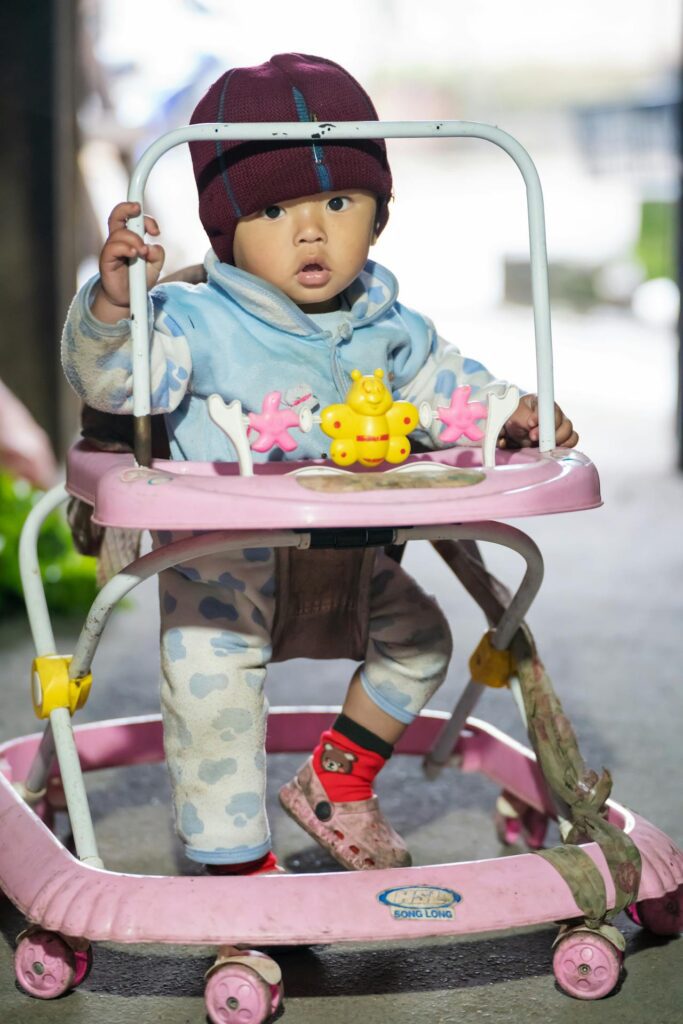
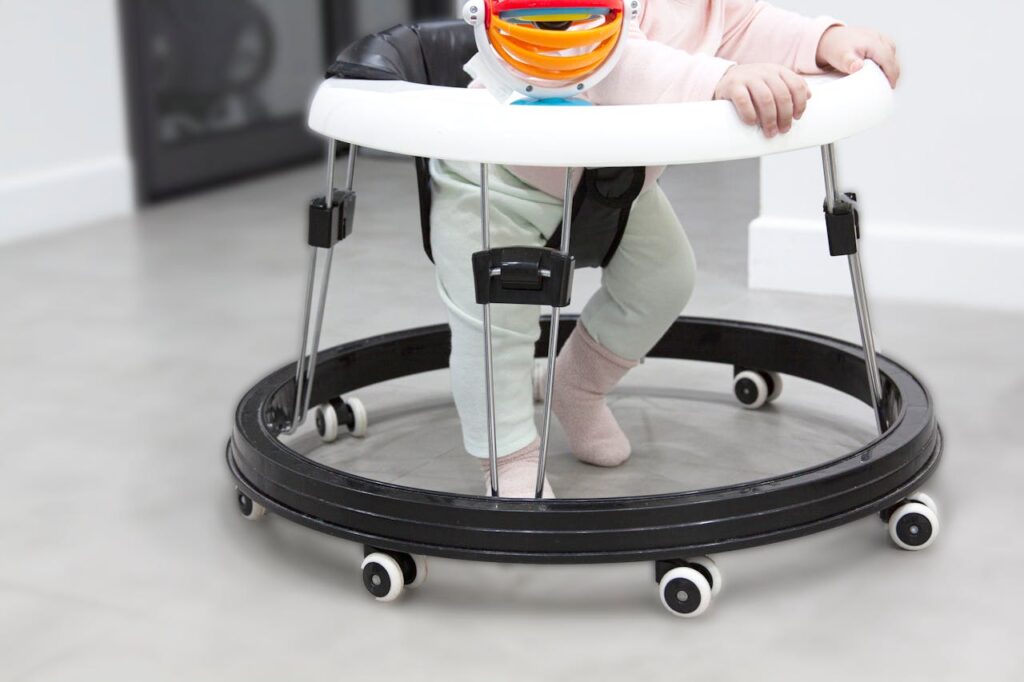
Baby walkers have become a staple in many households, just like strollers, high chairs, and car seats. However, unlike these other baby essentials, baby walkers spark debate and controversy among parents and medical professionals. While they promise to help babies learn to walk faster, the most important question is are baby walkers safe?

The Risks of Using Baby Walkers

Before deciding whether to buy a walker, it’s important to understand the risks involved:

More than 9,000 US children are injured by infant walkers every year

CNN

1. Increased Risk of Accidents

Many parents assume that baby walkers help their children move around safely, but the truth is quite the opposite. Since walkers allow babies to move faster than they naturally would, they are at a higher risk of:

  • Falling down stairs
  • Bumping into sharp edges
  • Pulling dangerous objects down (such as tablecloths or cords)
  • Tipping over due to instability

2. Delayed Motor Development

Contrary to popular belief, baby walkers do not help babies learn to walk faster. Studies show that excessive walker use can actually delay walking and hinder natural muscle development because babies rely on the walker for support rather than using their legs and core muscles to balance.

A baby starts to walk independently around the age of 10 to 12 months. However, they like to be held in a standing position from the age of 6 months. This is assisted by the walker which will support the toddler to stay in the standing position. The act of independent walking requires the baby to pull up from a sitting to a standing position and then walk using the strength of his thigh muscles. When babies are plopped up in walkers, it will delay this process. Instead, babies should be kept on the floor and allowed to stand by holding on to a stand, couch or caregiver.

3. Poor Posture and Coordination

Babies in walkers tend to use their toes to move, which may lead to toe-walking habits and poor posture. Over time, this can affect their walking mechanics and slow down the natural development of proper walking patterns.

Safer Alternatives to Baby Walkers

If you’re concerned about the risks of baby walkers but still want to support your child’s physical development, consider these safer alternatives:

1. Activity Mats

Activity mats provide a safe space for babies to explore by sitting, crawling, and strengthening their upper body. These mats encourage independent movement without the risks associated with walkers.

2. Stationary Activity Centers

Unlike walkers, stationary activity centres do not have wheels, preventing babies from moving into unsafe areas. Instead, they allow babies to stand, bounce, and play with interactive toys, promoting balance and coordination.

3. Exersaucers

Exersaucers resemble baby walkers but without wheels, making them a much safer option. The built-in seat allows babies to sit or stand while engaging with toys, stimulating their senses and improving motor skills.

4. Push Walking Toys

Push walkers encourage natural walking development as babies stand up and push the toy forward. These must be used under adult supervision in a safe, obstacle-free space to avoid falls.

5. Play Pens

A play pen combines the benefits of an activity mat with a protective fence, creating a safe, enclosed area where babies can practice standing and moving without the risk of falling or wandering into danger.

Final Verdict: Should You Use a Baby Walker?

While baby walkers may seem convenient, their risks outweigh their benefits. Experts, including paediatricians and child safety organizations, strongly discourage the use of walkers due to the potential for injuries and developmental delays. Instead, choosing safer alternatives like playpens, activity centres, and push walkers will allow your child to develop essential motor skills naturally and safely.

Have you used a baby walker for your child? Share your thoughts in the comments below!