Posted on Leave a comment

Creating Balanced Meals for Sri Lankan Toddlers

Balanced Diet for Toddlers

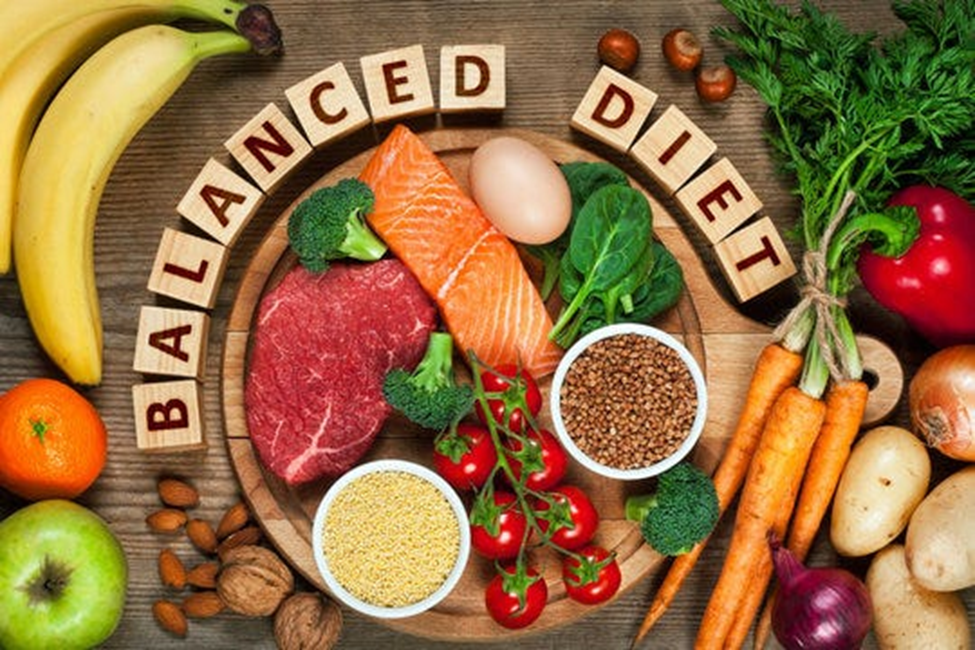
Ensuring Sri Lankan toddlers receive balanced nutrition involves understanding their dietary needs and planning meals accordingly. A balanced meals for Sri Lankan toddlers are crucial for their growth, development, and long-term health. Sri Lankan cuisine, rich in variety and flavor, offers numerous options for creating nutritious meals.

Sample Meal Plans for Different Age Groups

Sample meal plans can serve as a guide for parents to ensure their toddlers are receiving the necessary nutrients. For instance, toddlers aged 1-2 years might require simpler meals like rice and curry, while those aged 2-3 years can handle a wider variety of foods including different vegetables and proteins.

Incorporating Variety in Daily Meals

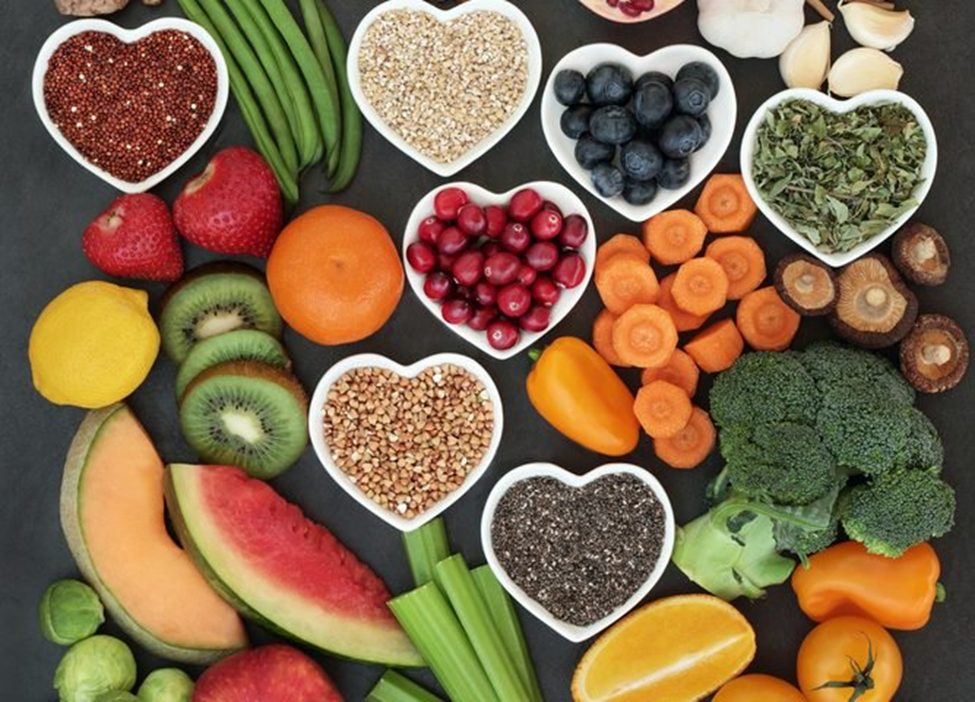
Incorporating a variety of foods into daily meals ensures that toddlers receive a broad range of nutrients. This can be achieved by including different colored vegetables, various protein sources, and a mix of whole grains in their diet. For Sri Lankan toddlers, this could mean mixing traditional dishes with new ingredients to keep meals interesting and nutritious.

For instance, adding different vegetables like carrots, beans, and sweet potatoes to curries, or introducing new fruits like papaya and pineapple as snacks. This variety not only ensures nutritional balance but also helps in developing a toddler’s palate.

Introducing New Foods to Toddlers

The process of introducing new foods to toddlers in Sri Lanka requires a thoughtful approach, balancing nutritional needs with cultural preferences. As parents navigate this critical phase, understanding the cultural context of food introduction can significantly ease the transition.

Cultural Food Progression in Sri Lanka

In Sri Lanka, traditional cuisine plays a significant role in a child’s early dietary experiences. Rice-based dishes are staples from an early age, gradually introducing various curries and sambals. This cultural food progression is not just about taste; it’s also about exposing toddlers to a variety of textures and nutrients.

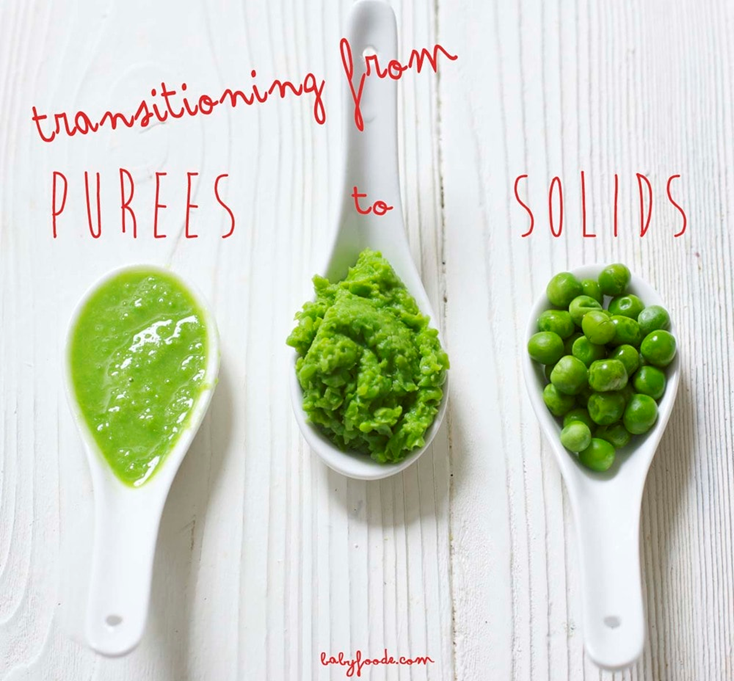
A common practice is to start with soft, easily digestible foods like kirata (a rice-based gruel) and gradually move to more solid foods. This gradual introduction helps in reducing the likelihood of digestive issues and fosters acceptance of new flavors.

AgeFood IntroducedTexture
6-8 monthsRice gruel (Kirata)Soft, liquidy
8-10 monthsMashed rice and vegetablesSoft, mashed
10+ monthsCurries and sambalsSoft, liquidly

Navigating Picky Eating Phases

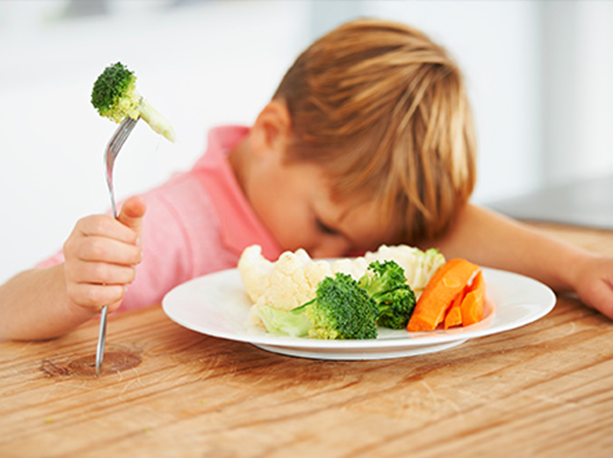
The key to dealing with picky eaters is patience and persistence. The picky eating phase is a normal part of a toddler’s development, but it requires careful handling. During this phase, toddlers often become finicky about the foods they eat, which can be a source of concern for parents.

Understanding Why Toddlers Become Picky Eaters

Toddlers become picky eaters for a variety of reasons, including their natural instinct to explore their environment and assert their independence. This behavior is a normal part of their developmental process.

At this stage, children are learning to navigate their surroundings and may express their independence through food choices. It’s essential for parents to understand that this behavior is not necessarily about the food itself but about the child’s need for control.

Techniques for Encouraging Food Acceptance

Encouraging toddlers to accept new foods can be challenging, but several techniques can make this process smoother. One effective method is to start with small amounts of new food alongside familiar dishes, gradually increasing the portion size.

Another technique is to make mealtime engaging by using different shapes and colors, which can stimulate a toddler’s curiosity.

  • Mix new foods with familiar ones
  • Be patient and consistent
  • Make mealtime fun and interactive

By adopting these strategies, parents can encourage healthy eating habits and ensure their toddlers are open to a wide range of foods, aligning with Sri Lanka’s rich culinary traditions.

Handling Food Refusal and Mealtime Tantrums

When dealing with food refusal and mealtime tantrums, it’s crucial to remain calm and patient. Avoid forcing your child to eat, as this can create negative associations with mealtime.

Instead, offer a variety of healthy options and allow your child to choose what they want to eat. This approach can help reduce mealtime conflicts.

StrategyDescriptionBenefit
Offer VarietyProvide multiple food optionsEncourages exploration of different tastes and textures
Involve in PreparationEngage toddlers in meal prepFosters interest in trying new foods
Positive Role ModelingEat and enjoy the same foodsEncourages toddlers to mimic healthy eating habits

Creating balanced meals for Sri Lankan toddlers is not just about nutrition—it’s about nurturing healthy habits and embracing cultural food traditions. By incorporating a variety of local ingredients, following age-appropriate meal plans, and patiently introducing new foods, parents can support their child’s physical and emotional development. With thoughtful planning and a touch of creativity, mealtimes can become an enjoyable and enriching part of a toddler’s daily routine.
Posted on Leave a comment

Happy Plates, Healthy Toddlers: A Parent’s Guide to The Best Foods for Toddlers

Nutrition plays a vital role in the development and growth of toddlers. Ensuring they receive the right foods for toddlers is crucial for their overall health and well-being. However, parents often face challenges in providing their children with healthy eating habits. As toddlers transition from baby food to table foods, it’s essential to understand their nutritional requirements. Managing picky eating and introducing a variety of foods can be daunting tasks for parents. This article will provide an overview of toddler nutrition and offer practical tips on healthy eating for toddlers for you to identify the best foods for toddlers

Understanding Toddler Nutrition Needs

Nutrition plays a vital role in the overall health and development of toddlers, making it essential to understand their dietary needs. Toddlers require a balanced diet that includes a variety of foods to support their rapid growth and development.

During this stage, toddlers are learning to navigate solid foods and develop eating habits that can last a lifetime. Ensuring they receive the right nutrients is crucial for their overall well-being.

Essential Nutrients for Growing Toddlers

Best Foods for Toddlers

Growing toddlers require a range of essential nutrients, including:

  • Protein: for muscle growth and repair
  • Calcium: for bone development
  • Iron: for healthy red blood cells
  • Vitamin D: for bone health and immune function
  • Fiber: for healthy digestion

These nutrients are vital for supporting the toddler’s overall growth, development, and health.

How Toddler Nutrition Differs from Infants and Older Children

Toddler nutrition differs significantly from that of infants and older children. Infants rely heavily on breast milk or formula, which provides all the necessary nutrients. As children transition to toddlerhood, they begin to require a more varied diet that includes solid foods from different food groups.

In contrast to older children, toddlers have smaller stomachs and higher energy needs relative to their size, requiring nutrient-dense foods that are also easy to consume. Moreover, toddlers are learning to navigate solid foods and develop eating habits that can influence their dietary preferences later in life.

Transitioning from Baby Food to Toddler Meals

Transitioning from baby food to toddler meals is a significant milestone that requires careful planning. As toddlers begin to explore new flavours and textures, parents must ensure they are providing the necessary nutrients for growth and development.

When and How to Introduce Table Foods

Introducing table foods to toddlers should be done gradually. Start by mixing small amounts of mashed table food with their usual pureed meals. Begin with soft, easy-to-chew foods like ripe bananas or cooked vegetables. As they become accustomed to new textures, you can gradually increase the amount of table food.

Recommended Daily Intake for Sri Lankan Toddlers

The recommended daily intake for toddlers in Sri Lanka is influenced by local dietary patterns and nutritional needs. According to nutritional guidelines, Sri Lankan toddlers require a balanced diet that includes a mix of traditional foods such as rice, curries, and fruits.

A sample daily intake could include:

  • 3 main meals and 2-3 snacks in between
  • A variety of fruits and vegetables
  • Protein sources like lentils, fish, or eggs
  • Whole grains like brown rice or whole wheat bread

It’s essential for caregivers to be aware of these recommendations to ensure toddlers receive a well-rounded diet.

Essential Food Groups for Toddler Development

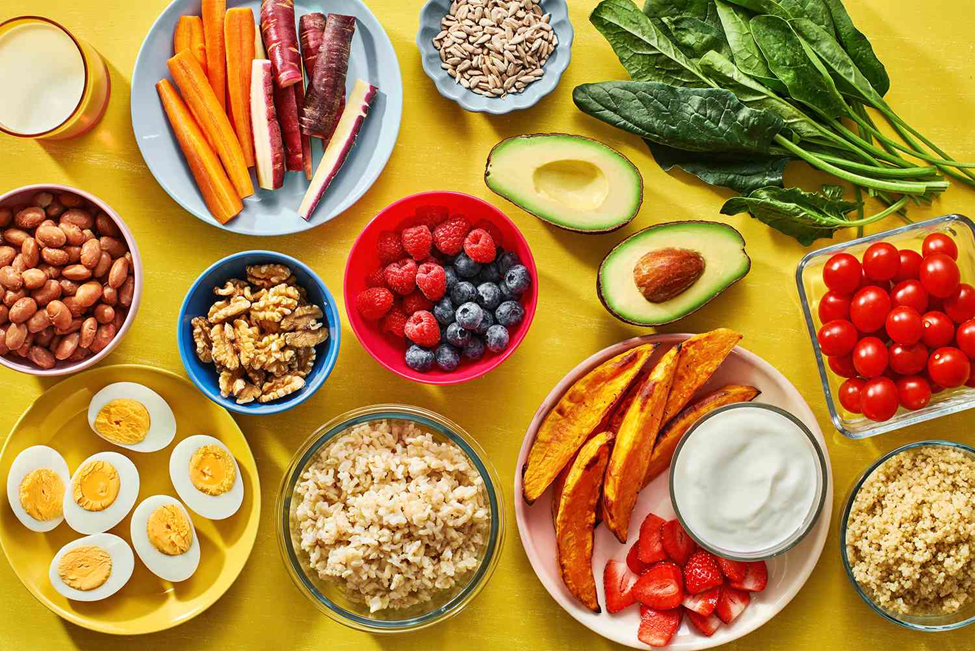
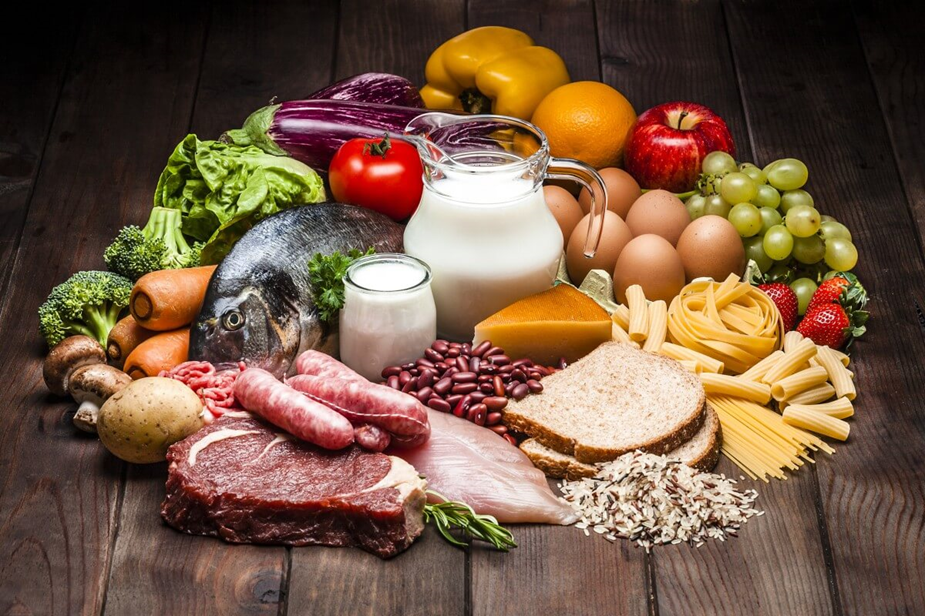
A well-rounded diet is key to supporting the rapid growth and development seen in toddlers, and certain food groups play a pivotal role. Ensuring that toddlers receive a balanced mix of nutrients is crucial for their overall health, energy levels, and development.

Rice-Based Dishes Suitable for Little Ones

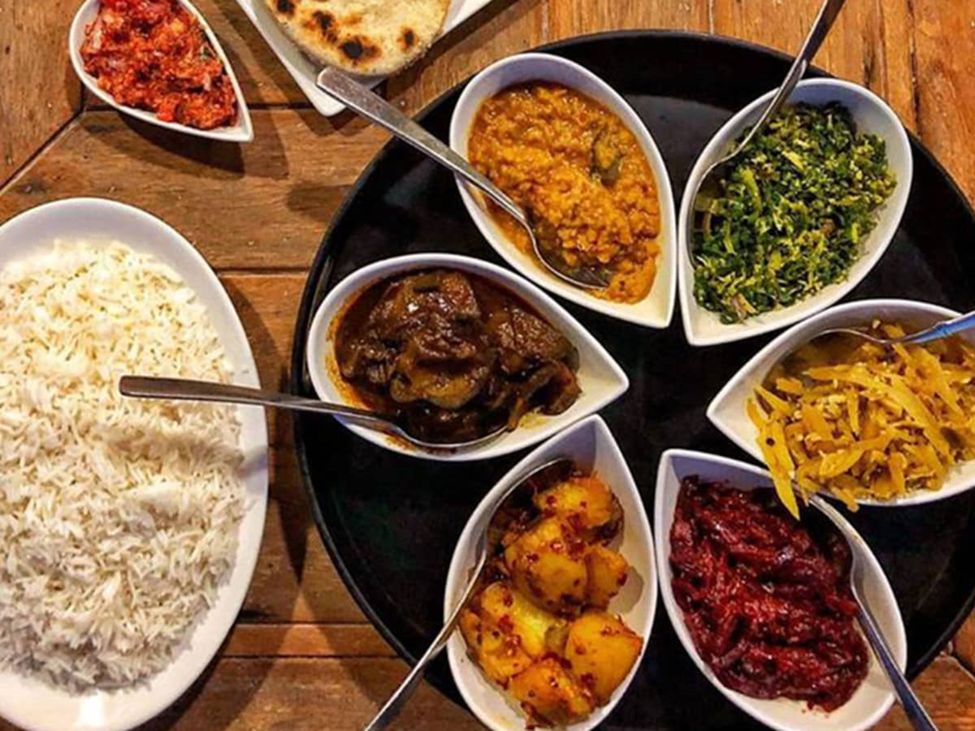
Rice is a staple in Sri Lankan cuisine, and there are several rice-based dishes that are suitable for toddlers. Plain rice mixed with curries or sambals makes for a nutritious meal. Toddlers can benefit from these dishes when prepared with fresh ingredients and minimal spices.

Nutritious Curries and Sambals

Sri Lankan curries and sambals are not only flavorful but also packed with nutrients. Vegetable curries made with locally available vegetables like carrots, potatoes, and green beans are excellent for toddlers. Fish curries, when prepared with minimal bones and spices, can be a great source of protein. Sambals, like pol sambal (coconut sambal), are rich in healthy fats and can be made less spicy for toddlers.

  1. Vegetable curries with carrots and potatoes
  2. Fish curry with minimal bones and spices
  3. Pol sambal (coconut sambal) made less spicy

Locally Available Fruits and Their Benefits

Fruits are an essential part of a toddler’s diet, providing vital vitamins, minerals, and fiber. In Sri Lanka, some of the locally available fruits that are beneficial for toddlers include:

  • Mangoes, rich in vitamin A and fiber
  • Bananas, a good source of potassium
  • Pineapples, rich in vitamin C
  • Avocados, providing healthy fats

Vegetable Options That Toddlers Will Love

Vegetables are crucial for providing essential nutrients like vitamins, minerals, and fiber. Some toddler-friendly vegetable options in Sri Lanka include:

  • Carrots, rich in vitamin A
  • Spinach, packed with iron
  • Beets, a good source of fiber and vitamins
  • Green beans, rich in vitamins and minerals

These can be steamed, boiled, or sautéed and served alongside other meals.

Protein Sources in the Sri Lankan Diet

Protein is vital for growth and development in toddlers. Locally available protein sources include:

Protein SourceNutritional Benefit
Fish (e.g., salmon, tilapia)Rich in omega-3 fatty acids
ChickenHigh-quality protein
LentilsRich in protein and fiber
EggsExcellent source of protein

These protein sources can be prepared in various ways to make them appealing to toddlers.

Dairy and Alternatives in Sri Lanka

Dairy products and their alternatives are important for calcium intake, supporting bone development. Options available in Sri Lanka include:

  • Milk, rich in calcium
  • Yoghurt, providing probiotics
  • Cheese, a good source of calcium
  • Soy milk, Almond milk and other nut milks as dairy alternatives

These can be incorporated into meals or consumed as snacks.

Building a strong foundation of healthy eating habits during the toddler years can set the stage for a lifetime of good health. By offering a variety of nutritious, locally available foods — including rice-based meals, mild curries, fruits, vegetables, and quality protein — Sri Lankan parents can ensure their little ones get the nourishment they need to grow and thrive. While challenges like picky eating are common, patience and creativity go a long way in making mealtimes both enjoyable and nutritious. Remember, every bite counts in shaping your toddler’s lifelong relationship with food.

Posted on Leave a comment

When Can Babies Drink Water and Juice in Sri Lanka? A Parent’s Guide to Infant Hydration

Water for Babies

In Sri Lanka, where our warm climate and traditional practices often influence parenting choices, many parents wonder when it’s safe to introduce water and juice to their babies. Should you offer a little water during a hot day? Is fresh fruit juice okay for a growing baby? While family and elders might suggest starting early, modern medical advice tells a different story. This guide is designed to help Sri Lankan parents understand the right time and way to introduce water and juice, balancing cultural wisdom with expert-backed recommendations. Let’s explore what’s best for your baby’s health in those crucial early months.

Water for Infants

Many parents are unsure about when to start giving water to their babies and how much is safe. It’s a common concern, especially in warm climates like Sri Lanka. To help you make informed decisions, here are some essential facts every parent should know about offering water to infants.

  • Alkaline water (with a pH between 6.5 and 8.5) and natural mineral water are considered among the healthiest options for children.
  • Water given to infants should always be boiled and cooled or passed through a safe filter before consumption.
  • Babies can start drinking small amounts of water around 6 months, ideally when solid foods are first introduced.
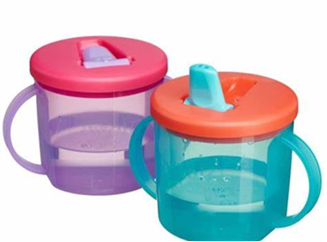
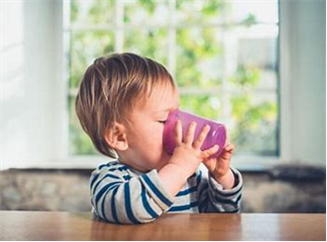
  • From 6 months onward, offering water in a free-flow cup (without a valve), and later an open cup, helps your baby learn how to sip—an important skill that also supports oral health. Although this might be messy at first, your baby will adapt with time.
  • Bottles should be gradually phased out by 12 months, as extended use may affect dental development and delay healthy drinking habits.
Free-flow Cup
Open Cup

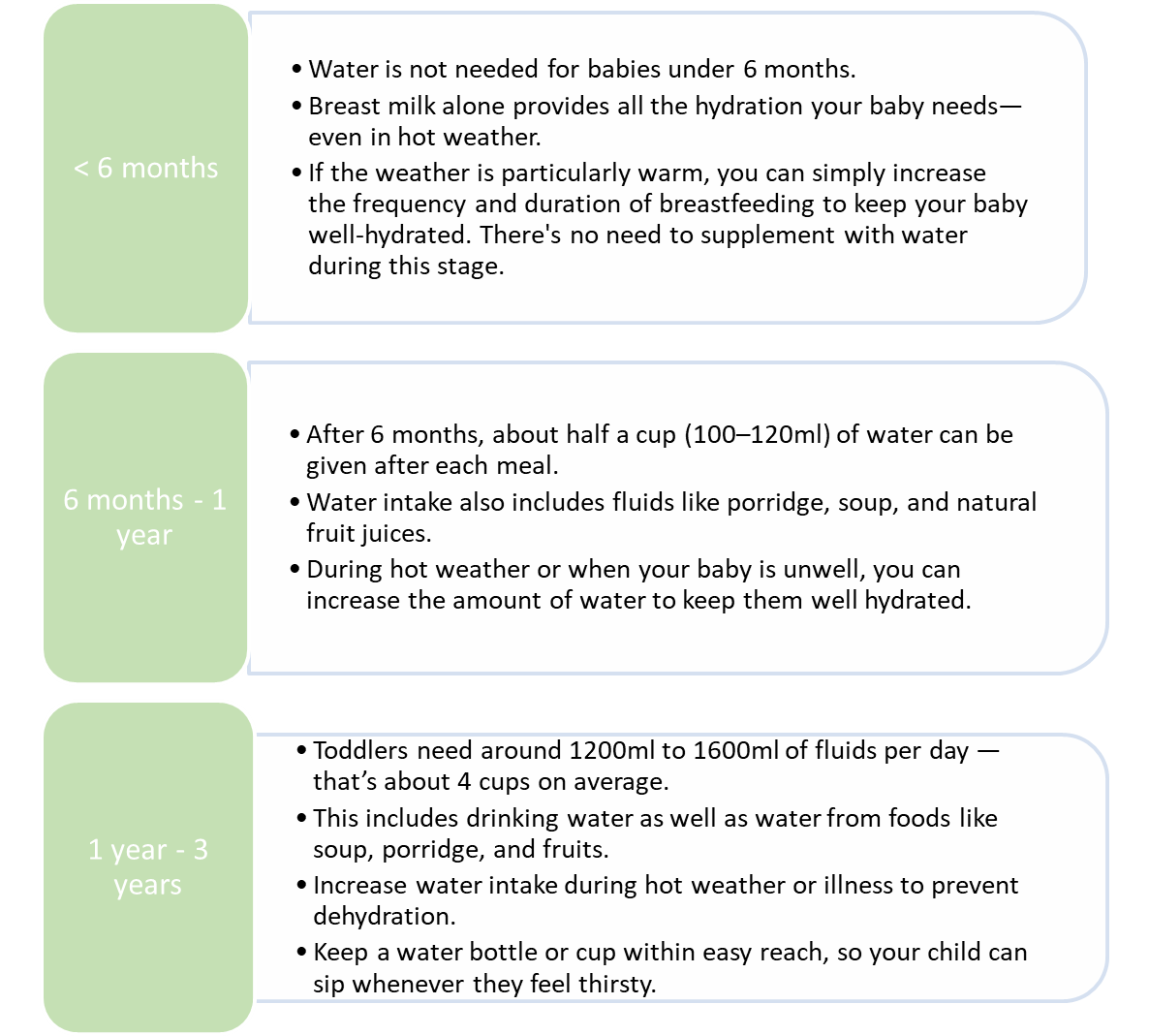
The amount of water that has to be given varies with age. It is shown in the chart below.

Water Needs for Children Aged 3–5 Years

From ages 3 to 5, children need around 5 cups (approximately 1200 –1400ml) of water per day.
This includes not only plain water but also fluids from soups, porridges, coconut water, and fresh fruit juices.

Providing water in different forms helps ensure they stay hydrated — especially during active play, hot weather, or illness.

Is Coconut Water Safe for Infants?

Coconut water is a natural and refreshing drink widely available in Sri Lanka. But when it comes to introducing it to babies, many parents are unsure about its safety, benefits, and the right time to start. In this guide, we’ll explore everything you need to know about coconut water for infants, including its nutritional value, when to introduce it, and precautions to keep in mind.

Health Benefits of Coconut Water for Infants

Coconut water is packed with essential nutrients and offers several health benefits:

  • Rich in Vitamins & Minerals: Contains vitamins A, C, E, iron, calcium, magnesium, zinc, and potassium—all important for healthy growth and development.
  • Boosts Immunity: Its antioxidant properties help strengthen the immune system, protecting your baby from common illnesses like colds and flu.
  • Hydrating & Digestive Support: It is naturally hydrating and can help relieve constipation in toddlers.

When Can You Give Coconut Water to Babies?

  • Before 6 Months: Not recommended. Babies under six months should be exclusively breastfed or formula-fed, with no additional liquids.
  • 6 to 12 Months: You can introduce coconut water in small amounts (a few sips) occasionally. It should not replace breast milk, formula, or water.
  • 12+ Months: It can be offered in slightly larger quantities, but should still be given in moderation due to its natural sugar and potassium content.

How to Safely Offer Coconut Water to Your Baby

  • Fresh is Best: Use freshly cracked coconut water and strain it well to avoid pulp or large pieces that may pose a choking hazard.
  • Start Slowly: Begin with small sips and observe for any signs of allergic reactions, especially if your child has a known allergy to tree nuts.
  • Don’t Replace Water: Coconut water is not a substitute for plain drinking water and should only be a supplementary drink.

Fruit Juices for Infants

Introducing fruit juice to infants is a topic many parents in Sri Lanka have questions about. While fruits are rich in nutrients, fruit juice—even when 100% pure—should be given with caution, especially during the early years of life. Here’s what you need to know before offering fruit juice to your baby.

Is Fruit Juice Safe for Babies Under 1 Year?

According to the American Academy of Pediatrics, fruit juice is not recommended for babies under 12 months. Even 100% natural juice contains high levels of sugar and potassium, which can be hard on a baby’s developing system. Breast milk or formula is more than enough to meet their hydration and nutritional needs during the first year.

When and How to Introduce Juice Safely

Once your child turns one year old, small amounts of fresh, 100% fruit juice can be introduced as an occasional treat, but it must be done carefully:

  • Offer juice only with meals or snacks, not as a drink on its own or at bedtime.
  • Avoid prolonged sipping. Don’t let your toddler sip juice throughout the day. Sugar-coating the teeth for long periods can cause tooth decay.
  • Serve juice in an open cup or spoon, not in bottles or cups with straws.
  • Always remove the cup once the juice is finished.

Smart Tips for Offering Juice

  • Homemade is best: Always use freshly prepared fruit juices at home rather than store-bought options that may contain preservatives or added sugars.
  • Use juice for hydration during illness: Juice can help keep toddlers hydrated during times of vomiting or fever.
  • Dilute the sweetness: If your child craves more juice, dilute it with water to reduce sugar intake and prevent overconsumption.

Daily juice intake permitted per day is given below:

  • 1 to 3-year-olds – no more than 120ml (1/2 cup)
  • 4 to 6-year-olds – no more than 180ml (1/2 – ¾ cup)
  • For older children and teenagers – up to 240ml (1 cup)

Fruit vs. Fruit Juice: What’s the Difference for Your Baby?

Whole FruitFruit Juice
Rich in nutrientsLower nutritional value compared to whole fruit
Contains essential vitamins, minerals, natural sugars, soluble fiber, and beneficial plant compounds like carotenoidsContains only a portion of the fruit’s nutrients; may also have added sugars or salt
Safe from 6–7 months of age (as mashed or pureed fruit)Contains only a portion of the fruit’s nutrients; it may also have added sugars or salt

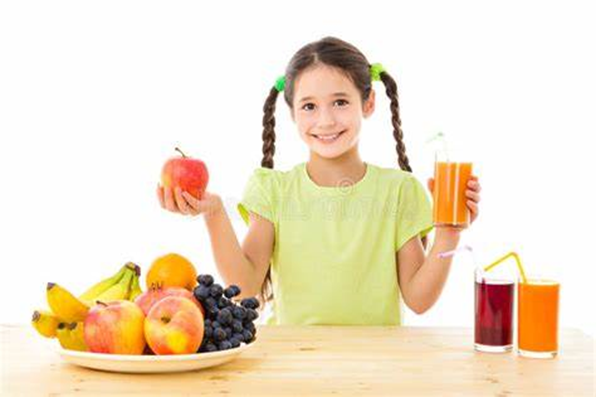
In conclusion, if your child is consuming a sufficient amount of fresh fruits, there’s no nutritional need to substitute them with fruit juice. Whole fruits offer more fiber, vitamins, and health benefits—making them the best choice for your growing child.