Posted on Leave a comment

Healthy Sri Lankan Meals for Toddlers: Nutritious Twists on Traditional Recipes

Sri Lankan cuisine is known for its vibrant flavours, rich spices, and hearty meals. However, when it comes to feeding toddlers, many traditional recipes need a few tweaks to ensure they’re suitable for little tummies. With simple modifications, parents can preserve the authenticity of Sri Lankan dishes while making them nutritious and toddler-friendly. In this article, we explore how to prepare healthy Sri Lankan meals for toddlers that are both delicious and developmentally appropriate.

Healthy Modifications to Traditional Recipes

Modifying traditional Sri Lankan recipes to suit toddlers doesn’t mean sacrificing taste. It’s about making smart, health-conscious adjustments that align with a young child’s nutritional needs.

Here are some effective ways to make traditional meals healthier for toddlers:

  • Reduce salt and sugar: Toddlers’ kidneys are still developing, and too much sodium or sugar can be harmful. Use natural sweeteners like ripe bananas or jaggery in moderation, and flavour food with herbs and spices instead of salt.
  • Switch to healthier cooking methods: Choose steaming, boiling, or grilling over frying. These methods preserve nutrients while reducing unhealthy fats.
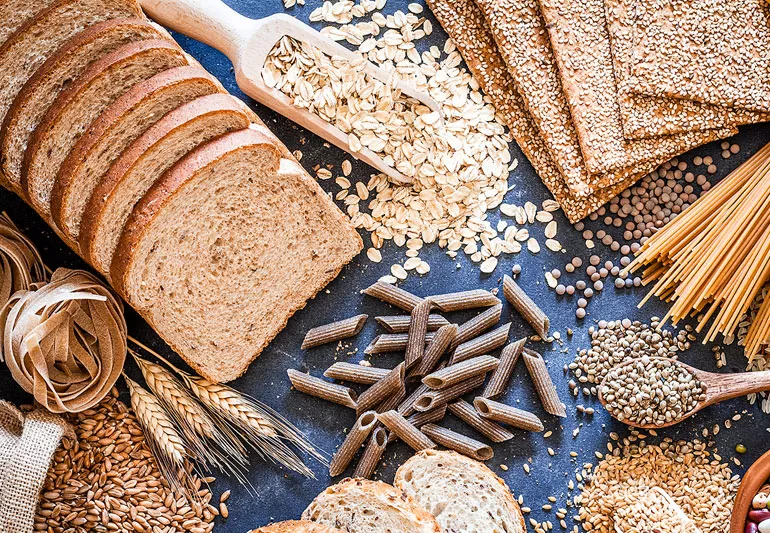
  • Use whole grains: Replace white rice with red or brown rice, and choose whole wheat flour over refined flour when making roti or string hoppers. Whole grains offer more fiber, vitamins, and minerals.
  • Incorporate more vegetables: Add colourful vegetables like carrots, pumpkin, spinach, and beans into curries and soups to enhance the vitamin and mineral profile of meals.
  • Use coconut milk mindfully: Coconut milk is a staple in Sri Lankan cuisine and a good source of healthy fats. However, moderation is key—use thin coconut milk more frequently and thick milk occasionally.
Toddler-Friendly Modifications of Common Sri Lankan Dishes

Here are a few examples of how to adapt popular local meals:

  • Kiribath (milk rice): Use less coconut milk and serve with mashed bananas or a mild vegetable sambol instead of spicy accompaniments.
  • Parippu (dhal curry): Make it mild by reducing chilli and adding grated vegetables like carrots or spinach for an extra nutrient boost.
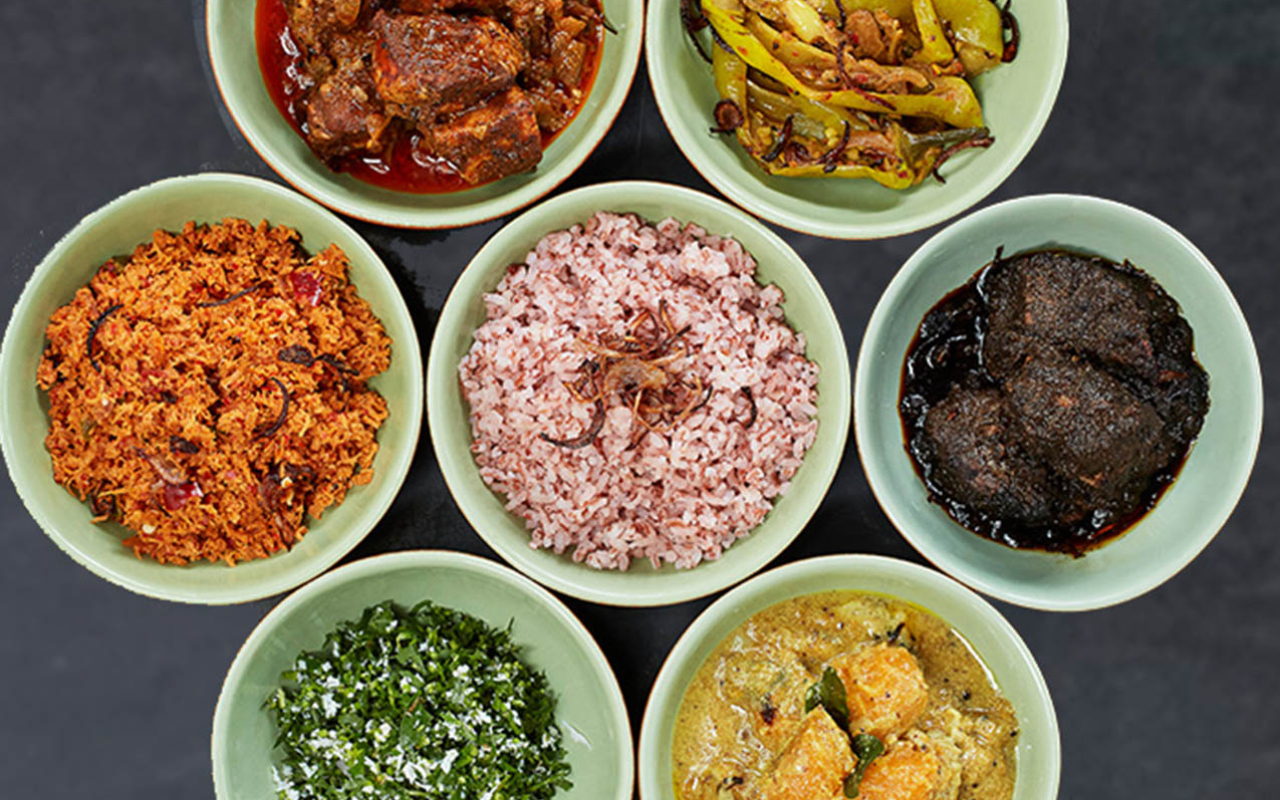
  • Rice and curry: Create a balanced plate with red rice, a vegetable curry, mild fish or egg curry, and a small portion of coconut sambol made less spicy.
  • String hoppers: Serve with a vegetable stew or mild coconut milk gravy rich in pumpkin or ash plantains.
Balancing Tradition with Modern Nutritional Insights

Striking the right balance between cultural food traditions and current nutritional recommendations is key to ensuring optimal toddler health. Sri Lankan food naturally contains many nutritious elements, such as lentils, vegetables, and spices with medicinal properties. However, it’s essential to be mindful of portion sizes, salt levels, and cooking methods.

Modern nutritional knowledge encourages:

  • Balanced plates: Include protein (fish, egg, lentils), complex carbs (brown rice, sweet potatoes), and a variety of vegetables.
  • Age-appropriate portions: Toddlers have small stomachs. Offering 3 main meals and 2-3 healthy snacks is ideal.
  • Minimal processed foods: Emphasise fresh, home-cooked meals over packaged snacks or artificial drinks.

By applying these principles, parents can provide healthy Sri Lankan meals for toddlers that support growth, immunity, and cognitive development, while honouring the flavours they grew up with.

Sri Lankan cuisine offers a treasure trove of flavours and nutrients that, with a few mindful tweaks, can become ideal toddler meals. By combining traditional recipes with modern nutritional insights, caregivers can give their little ones the best of both worlds—meals that are wholesome, familiar, and tailored for healthy development.

Posted on Leave a comment

Hydration for Toddlers in Sri Lanka: Best Drinks for a Tropical Climate

Hydration and Beverages for Sri Lankan Toddlers

In the tropical heat of Sri Lanka, keeping toddlers hydrated is more than just a recommendation—it’s essential for their health, energy, and overall development. While adults can recognise signs of dehydration and adjust accordingly, young children rely on caregivers to ensure they get enough fluids each day. In our previous article, we talked about infants, and this article explores the best options for hydration for toddlers in Sri Lanka, from everyday beverages to traditional herbal drinks.

The Importance of Hydration for Toddlers in Sri Lanka

Due to Sri Lanka’s high humidity and warm temperatures, toddlers are more susceptible to dehydration, especially when they are active or ill. Proper hydration supports healthy digestion, nutrient absorption, and temperature regulation. It also helps prevent constipation, a common concern in toddlers.

Signs of dehydration in toddlers may include:

  • Dry lips and mouth
  • Reduced urine output
  • Dark yellow urine
  • Fatigue or irritability

To prevent these symptoms, it’s vital to offer fluids frequently throughout the day.

Appropriate Drinks for Toddlers in Sri Lanka

1. Breast Milk (Up to 12 Months)

For infants under one year, breast milk remains the best and most natural source of hydration. It contains the right balance of water, nutrients, and electrolytes essential for a baby’s development.

2. Water (From 6 Months Onward)

Plain boiled or filtered water should be introduced once the baby starts eating solids (around 6 months). By 12 months, water should become the primary source of hydration alongside meals and snacks.

3. Coconut Water

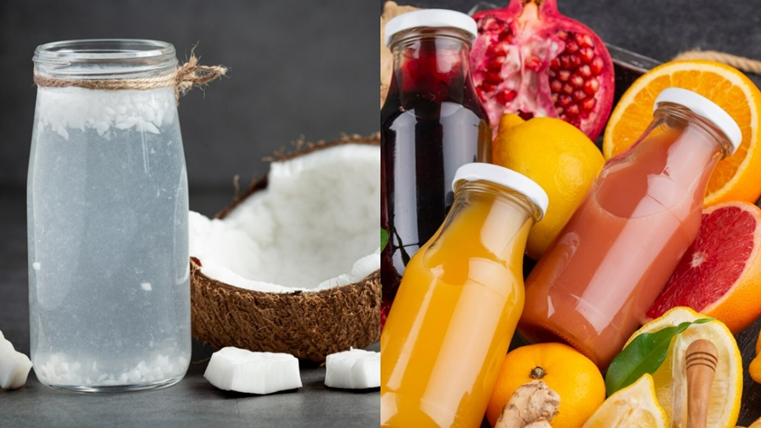
Fresh coconut water is rich in natural electrolytes like potassium and magnesium. It’s a refreshing, mildly sweet drink that’s ideal during hot weather or after playtime. Offer in moderation (¼ to ½ cup), and avoid bottled versions with added sugar or preservatives.

4. Diluted Fruit Juices

Homemade fruit juices like mango, papaya, or orange can be given to toddlers above one year. Always dilute 1:1 with water and serve only in small amounts. Juice should not replace water or whole fruits and should be served in a cup, not a bottle or sippy cup, to avoid dental issues.

5. Oral Rehydration and Electrolyte Drinks

During fever, diarrhea, or heat exhaustion, consider using oral rehydration solutions or electrolyte-rich drinks (like homemade jeera water or king coconut water) to replenish lost fluids and salts.

Traditional Herbal Beverages for Toddlers

Sri Lankan tradition offers many gentle, natural drinks that can be toddler-friendly when prepared mildly:

1. Herbal Teas

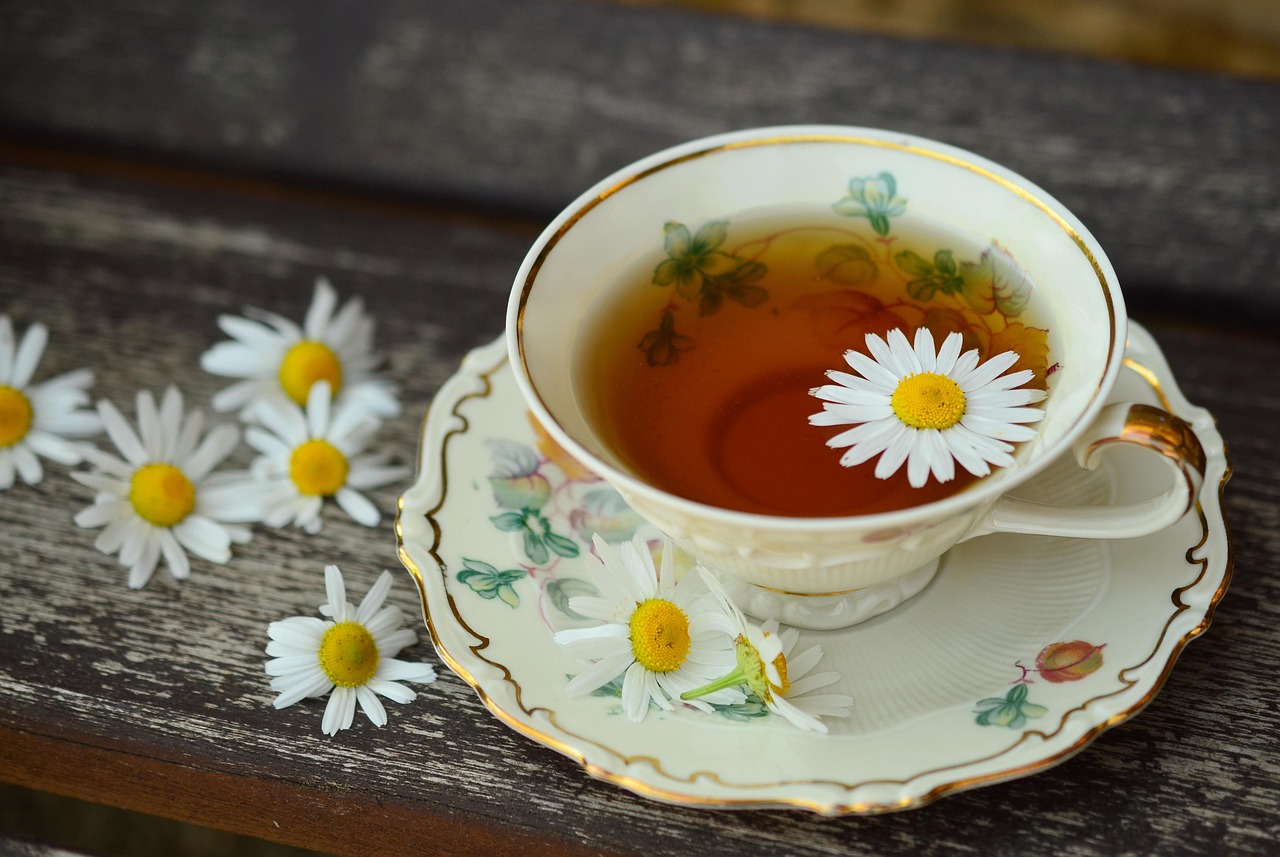
Diluted teas made from fenugreek (uluhaal), coriander seeds, or ginger can soothe mild colds or aid digestion. Always ensure they are cooled, strained, and free from strong spices or caffeine.

2. “Kanda” (Herbal Porridge)

A warm, savory rice-based drink made with leafy greens and herbs like gotukola, hathawariya, or karapincha. This can be introduced in toddler meals and is excellent for nutrition and hydration.

3. Mild Rasam

A South Indian broth made with tamarind, tomato, and mild spices. When adjusted to a toddler’s palate (less salt and spice), rasam can be a nutritious and hydrating soup.

Tips for Encouraging Fluid Intake in Toddlers

  • Offer small amounts of water frequently throughout the day.
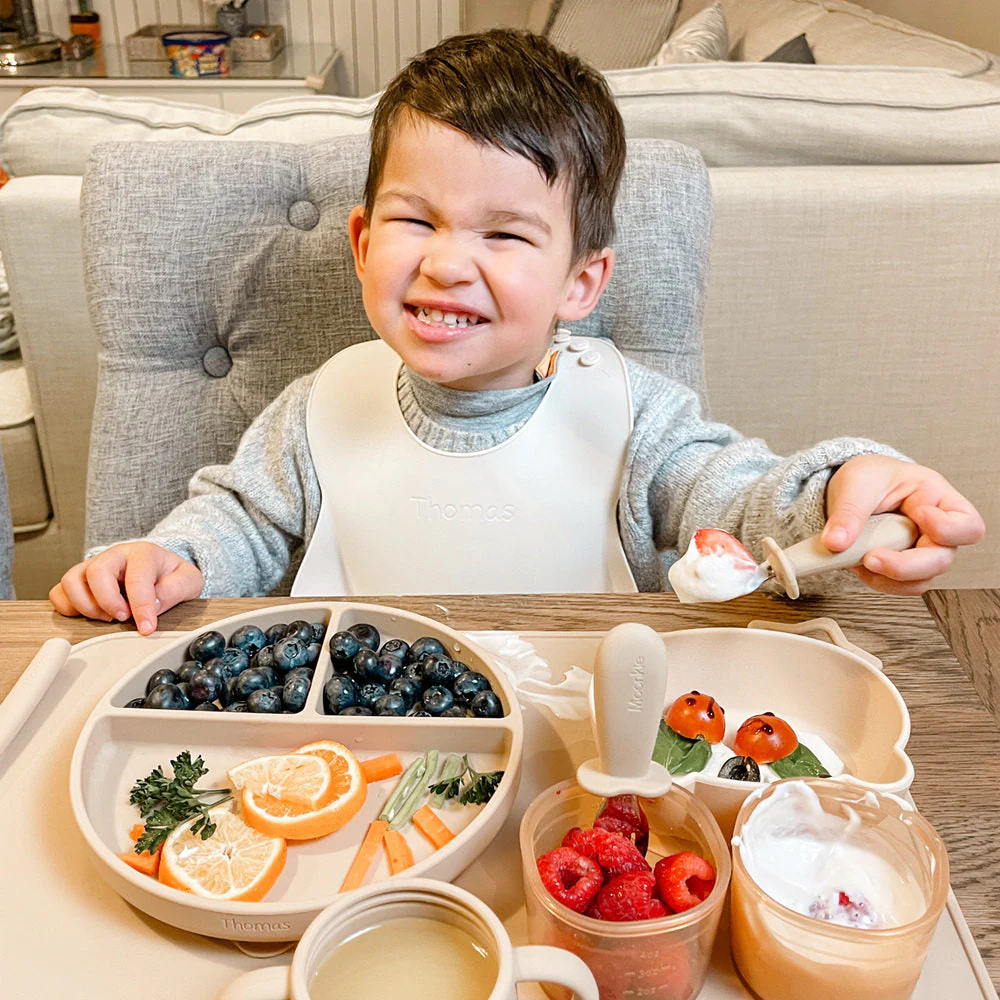
  • Use colourful, toddler-friendly cups or straws to make drinking more fun.
  • Include hydrating foods like watermelon, cucumber, and papaya in their diet.
  • Avoid sugary drinks, soft drinks, and energy drinks, which can harm developing kidneys and teeth.

Maintaining hydration for toddlers in Sri Lanka requires attention to both the climate and your child’s daily routine. By offering a mix of water, traditional drinks, and occasional healthy juices, you can ensure your child stays refreshed, energized, and nourished—especially in the island’s warm tropical weather.