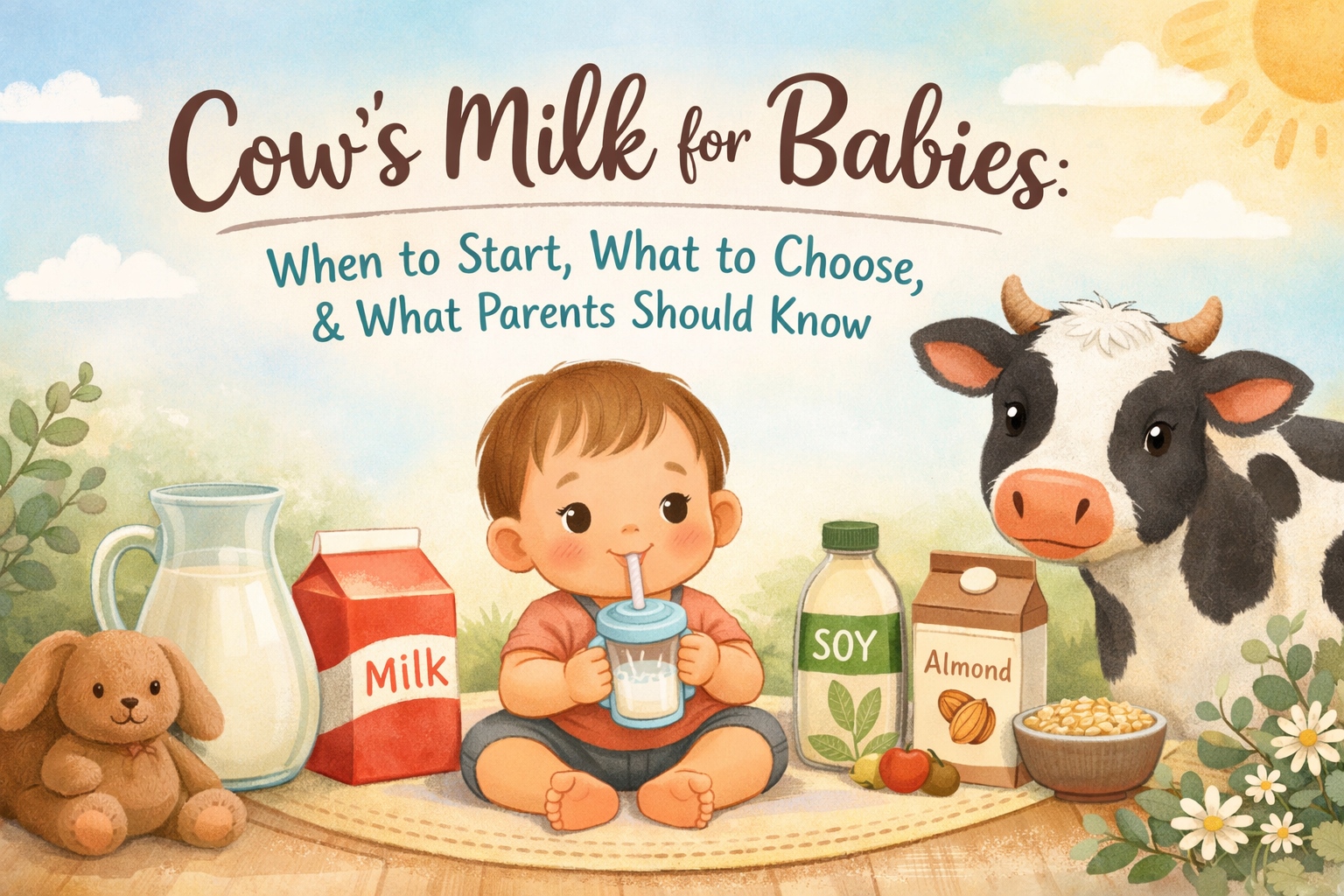
At Tiny Taprobanes, we believe that small, informed choices can make a big difference in your child’s early years. One question many parents ask as their baby approaches toddlerhood is when it’s safe to introduce cow’s milk. While cow’s milk is a familiar part of many family meals, a baby’s growing body needs time before it can handle it safely. Introducing cow’s milk too early—or in the wrong form—can affect digestion, nutrient absorption, and overall health. In this guide, we gently walk you through when and how to introduce cow’s milk to your baby, the types of milk available, suitable alternatives, and what to know about cow’s milk allergy and lactose intolerance, so you can make confident, thoughtful feeding decisions for your little one.
When to introduce cow’s milk?
It is advised by specialists to introduce cow’s milk at 1 year of age, but not before. Cow’s milk before your child turns one can lead to the following:
- Put them at risk of intestinal bleeding
- Its high protein, fat and mineral content may be too much for the kidneys and hard to digest.
- Do not contain the right composition of nutrients according to the baby’s requirements.
Types of cow’s milk and other types of milk alternatives
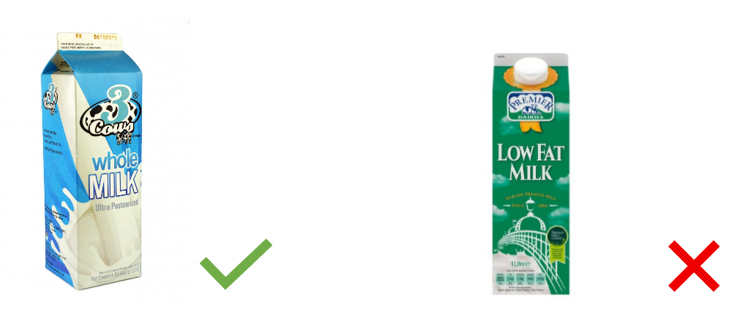
1. Whole cow’s milk versus low-fat cow’s milk:
Whole cow’s milk is preferred over the latter due to its high fat content, as it is essential for your baby’s brain development. However, in cases where there is a family history of obesity, high cholesterol, and cardiovascular disease, it is best to consult your doctor on deciding the type of cow’s milk to give.
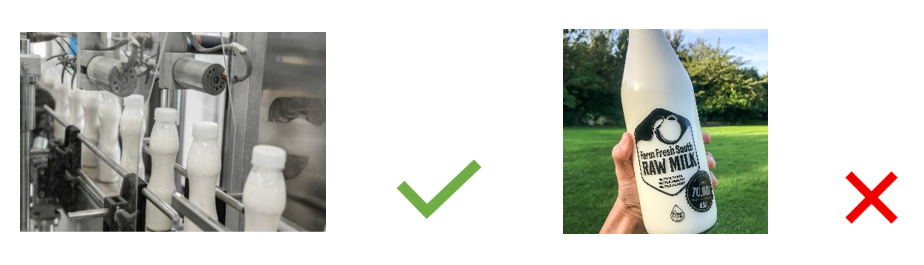
2. Raw/ unpasteurised cow’s milk versus pasteurised cow’s milk:
Never give any raw milk products from cows, goats or sheep, for they contain harmful bacteria that can be life-threatening for your baby. Therefore, always go for pasteurised milk products.
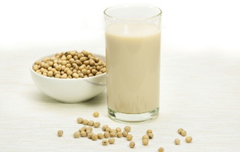
3. Plant-based milk alternatives:
They should not be given before 1 year of age. Although there are many options like soy, oats, almond, coconut and cashew, the best and only alternative that would meet the baby’s requirements would be soy beverages. Choose one which is unflavoured, unsweetened, with no added sugars and fortified with calcium and vitamin D.
How to introduce cow’s milk
After 1yr the cup with a straw or Sippy cups are encouraged over bottles. So, it’s good to introduce milk via a cup.
The main source of nutrients for your baby is solids, and cow’s milk is merely a source of calcium and vitamin D. Therefore, the amount of whole cow’s milk should be limited to not more than 24ounces per day. Moreover, large amounts of milk can lead to reduced iron absorption in the food the baby is eating, leading to iron deficiency anaemia.
If the baby rejects cow’s milk at first, it can be mixed with equal portions of breast milk or formula, and then the breast milk/ formula milk amount can be gradually tapered off.
Once your child turns 2 and has been on cow’s milk for 1 year, you can consult your doctor about changing to low-fat cow’s milk.
What is a cow’s milk allergy?
It is a common diagnosis in infants and children, which can present as early as the first few months of life up to the age of 6 years of age, due to allergy to proteins found in cow’s milk or cow’s milk-based formula.
It can present within 1hour of milk intake with symptoms like an itchy rash, vomiting, difficulty in breathing, cough and swelling of lips, tongue and throat, which can sometimes be life-threatening. There can be late symptoms like stomach pain and diarrhoea as well. If these symptoms appear in your baby, consult a doctor as soon as possible.

It is difficult to diagnose cow’s milk allergy due to the absence of a precise test or criteria.
The definitive treatment of cow’s milk allergy is strict elimination of cow’s milk and other dairy products from the diet and substituting them with a milk-free diet and supplements that contain vitamin D and other nutrients found in milk.
On the bright side, it has a good prognosis. Studies have found that 50% of the affected children develop tolerance at 1 year of age, above 75% at 3 years of age and more than. 90% by 6 years of age.
What is lactose intolerance?
It is a temporary condition which is caused by damage to the mucosal lining of the gut, leading to symptoms like bloating sensation and diarrhoea which appear around 30minutes to 2 hours after feeding.
It is important to distinguish this from cow’s milk allergy. Unlike lactose intolerance, the baby will experience other system involvement like rashes, difficulty breathing and other features mentioned above, in cow’s milk allergy. So, if you suspect any of these symptoms of either condition in your baby, it is best to consult a doctor quickly to come to a proper diagnosis.
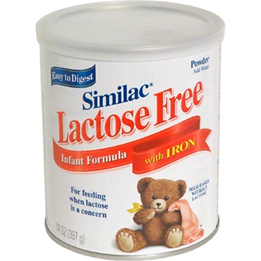
Treatment is by temporarily following a lactose-free diet or lactose-free formula for bottle-fed babies for a few weeks.
Every baby’s feeding journey is unique, and introducing cow’s milk is an important milestone that deserves care and attention. After the age of one, pasteurised whole cow’s milk can be included in your toddler’s diet in moderation, while solid foods remain their primary source of nourishment. Understanding the right quantity, choosing safe milk options, and being aware of possible reactions—such as cow’s milk allergy or lactose intolerance—helps protect your child’s health and comfort. When you’re unsure, your paediatrician is always your best guide. At Tiny Taprobanes, we’re here to support you with simple, honest information as you nurture your little one—one mindful choice at a time.