
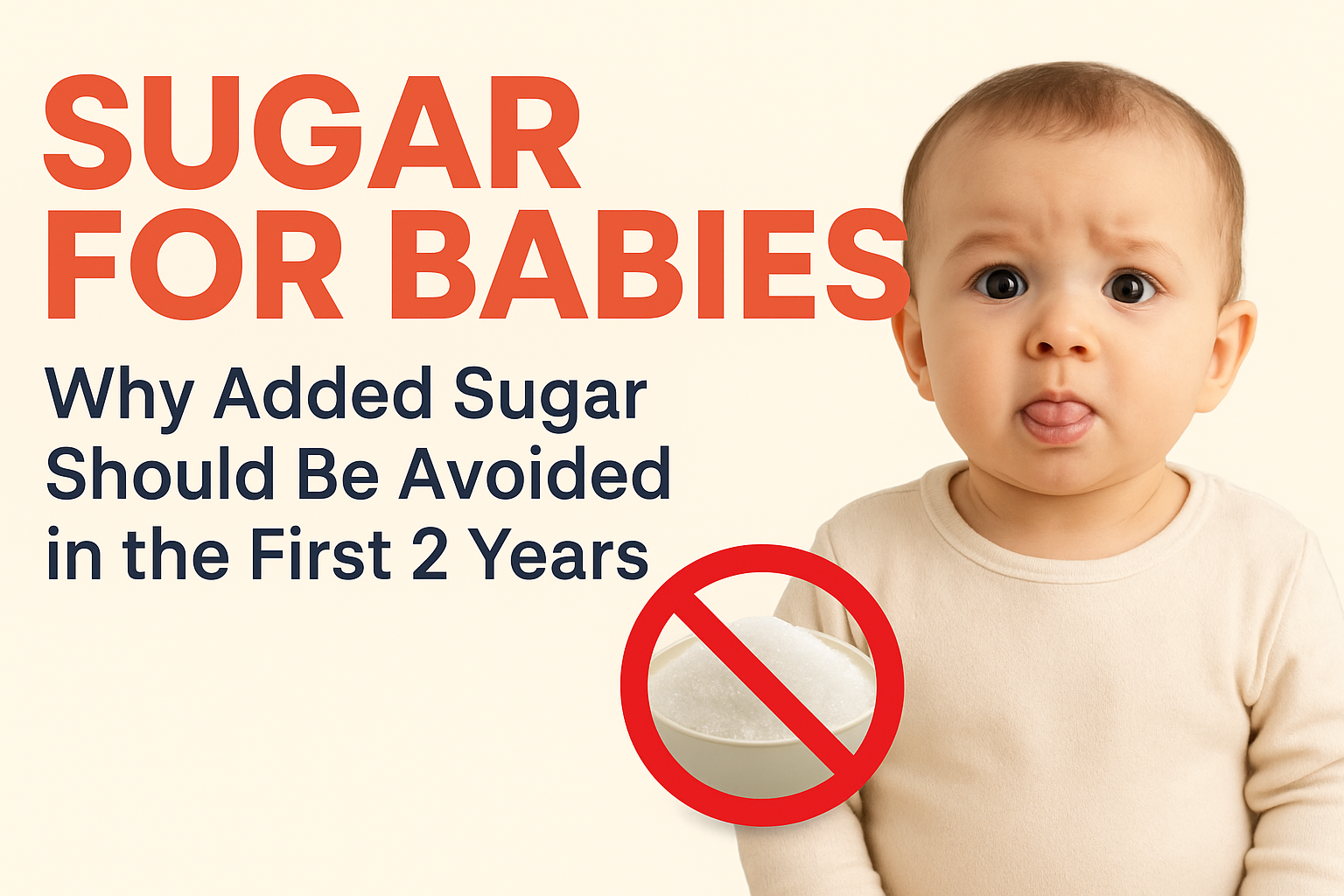
Sugar is one of the most common ingredients in modern diets, yet it is also one of the most misunderstood—especially when it comes to babies. Many parents are unsure whether sugar is safe for infants, what types of sugar to avoid, and how early exposure may affect long-term health.
Current global guidelines, including those from the UK and the USA, strongly recommend complete avoidance of added sugars for babies under two years of age. This includes commonly offered foods such as biscuits, fruit juices, ice cream, and sweetened cereals. The first two to three years of life are a critical window for growth, brain development, and immune system strengthening, making nutrition choices during this period especially important.
This article explains what sugar is, why babies and toddlers should avoid added sugars, how early sugar intake influences lifelong eating habits, and practical ways parents can reduce sugar in their baby’s diet through simple, healthier swaps.
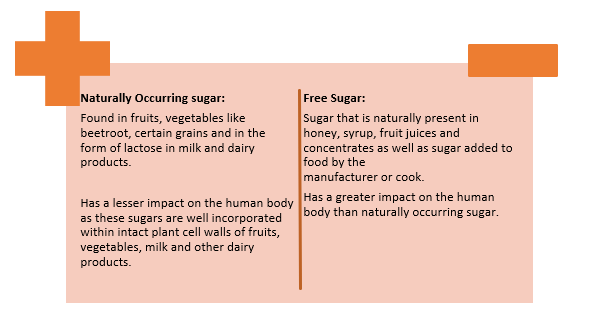
What is sugar?
It refers to both naturally occurring sugar and free sugar.
Which age group should be more concerned about avoiding sugars?
All recent UK and USA guidelines have advised to
“Complete avoidance of all added sugars for children under 2 years.” This certainly means no ice cream or birthday cake for babies until 2 years of age.
Why do foods with added sugars need to be eliminated from a baby’s diet?

- Children grow in their weight, height, brain and immune systems in the fastest pace during 1st 3yrs of life. Therefore, their nutrient requirement is high. If they consume foods with added sugars during this time, they won’t have space for healthy fats, proteins, minerals and vitamins, replacing them with sugars that are of less importance. For example, if they eat ice cream or biscuits, they won’t be hungry for the food they actually require.
- Studies have shown that what a baby eats during the first year of life can affect their food choices later in life. Taste preferences are formed during this period, and therefore if very sweet foods, fruit juices and sweetened cereals are given early, they may crave for them more as they get older.
How to curb your baby’s sugar intake?
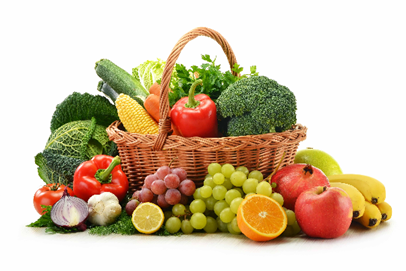
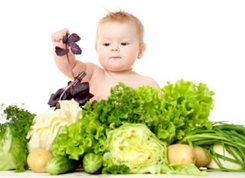
- Since birth, babies are most familiar with the sweetened taste due to the lactose present in breastmilk. Therefore, when starting solids, a variety of all tastes should be introduced, including savoury tastes found in proteins and vegetables, instead of blending them with fruits to get a sweet taste. Then the preference for sweet taste in your toddler will reduce in later stages.
- Avoid 100% fruit juices until the baby is one, and thereafter, limit fruit juices as much as possible. Instead, encourage fresh fruits.
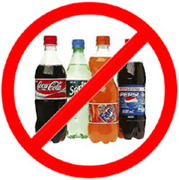
- Sugar-sweetened beverages like soda, sports drinks, drinks labelled as fruit drinks or fruit flavoured drinks, fruit punch and flavoured waters should be avoided at all costs. They contain added sugars, which are far worse than fruit juices. Therefore, they are not recommended in children under the age of two and should be of limited use in older age groups as well.
- Avoid toddler formulas with added sugars.
- Avoid sweetened plant-based milk alternatives such as sweetened oat or almond milk.
- When preparing and serving food, use fruits like banana and apple which brings out the sweet taste, instead of added sugars like honey, maple syrup or sugar cane.
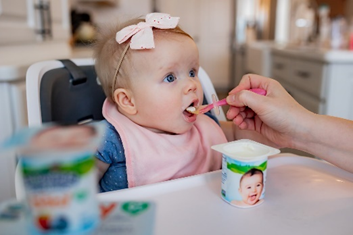
- When purchasing yoghurt, cereals and peanut butter for your little one, go through the food labels and select unsweetened products with no added sugars.
- Avoid Ice cream.
Simple Swaps
- Sugary drinks (Fanta, Cream Soda) > water, fresh milk, formula
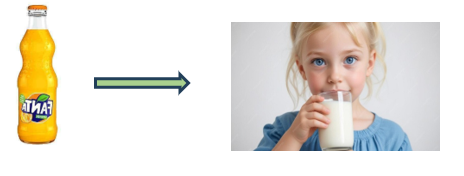
- Fruit juices > soft fruits like banana, papaw, mango, etc

- Ice cream > plain yoghurt mixed with fruits

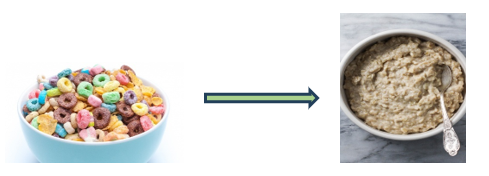
- Sugary Cereals > Oats
- Cookies and biscuits > Rusks

Benefits of cutting down sugar early in life:
A Study in the UK has found that cutting down sugar from conception to 1st 2years of life (1st 1000 days of life) reduces the risk of developing significant health issues in adulthood. This study has shown that restricting sugar intake during this vital period reduced the risk of developing type 2 diabetes by 35% and high blood pressure by 20%. This analysis has also revealed a 30% decline in the risk of obesity in babies with limited sugar intake.
Reducing sugar in a baby’s diet is one of the most powerful steps parents can take to support lifelong health. The first 1,000 days—from conception to a child’s second birthday—play a crucial role in shaping taste preferences, metabolism, and disease risk later in life. Research clearly shows that limiting added sugars during this period can significantly reduce the risk of obesity, type 2 diabetes, and high blood pressure in adulthood.
By offering whole foods, fresh fruits instead of juices, unsweetened dairy products, and naturally sweet alternatives, parents can help their babies develop a balanced palate without relying on added sugars. Simple swaps and mindful food choices not only meet a baby’s high nutritional needs but also set the foundation for healthier eating habits in the years to come.
When it comes to sugar and babies, less truly is more—and avoiding added sugars early can lead to lasting benefits for your child’s health and well-being.




Leave a Reply