
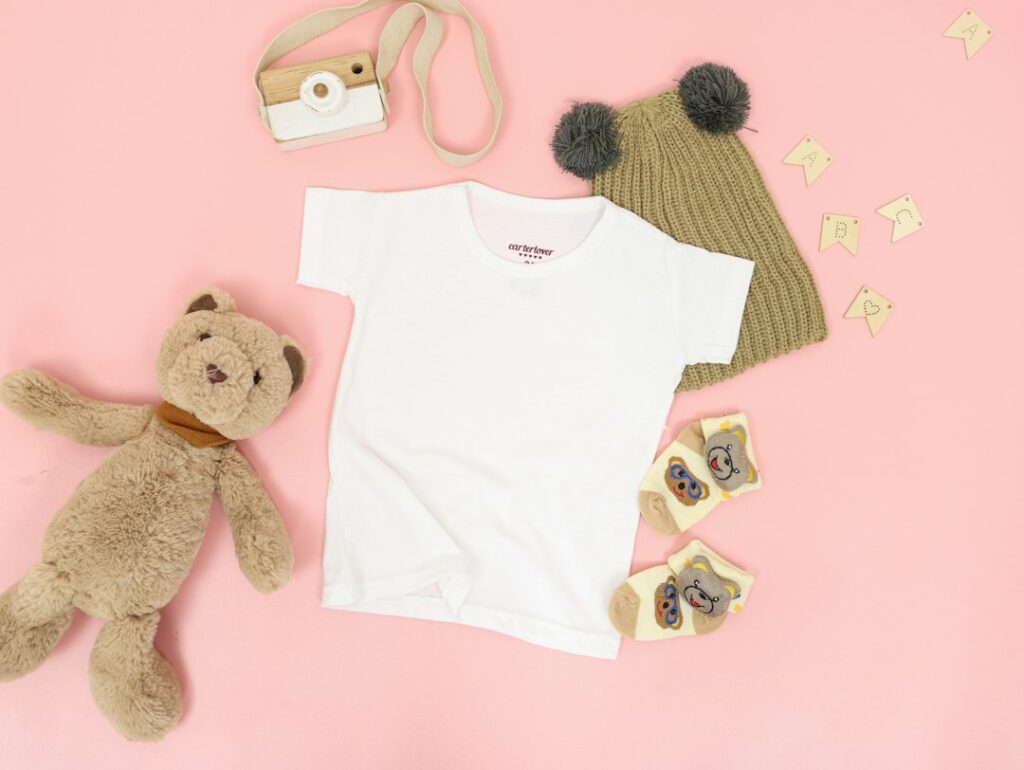
Sri Lanka’s heat and humidity are tough on little ones. Babies can’t cool themselves as well as adults, and they can’t tell you when they’re too warm, so the clothes you choose matter. This guide covers baby clothes for hot weather in Sri Lanka: the best fabrics, how to layer for sun, rain and air-conditioning, and how to prevent heat rash.
It’s general guidance for everyday life with a healthy baby. If you’re ever worried about your child’s temperature or health, speak to your doctor or paediatrician.
Why babies overheat more easily
A baby’s body is small and still learning to regulate temperature. Babies also can’t remove a layer or ask for a fan, so you have to watch for the signs yourself.
Signs that your baby may be too warm include:
- Flushed or red skin
- Sweating, especially on the neck, chest and back
- Damp hair
- Fussiness or restlessness
To check, feel the back of your baby’s neck or their chest. Cold hands and feet are normal and aren’t a reliable guide. If your baby seems unusually sleepy, floppy, has a fever or is hard to wake, seek medical help straight away.
Choose breathable fabrics: cotton first
For baby clothes in hot weather, cotton is hard to beat. It’s soft, absorbs sweat and lets air move across the skin, which helps in Sri Lanka’s humidity. Look for light, smooth cotton rather than thick or stiff fabric.
Be cautious with:
- Polyester, nylon and other synthetics that can trap heat and sweat
- Thick fleece or heavily lined outfits
- Scratchy tags, rough seams and stiff embroidery that rub damp skin
- Tight cuffs or waistbands that leave marks on the skin
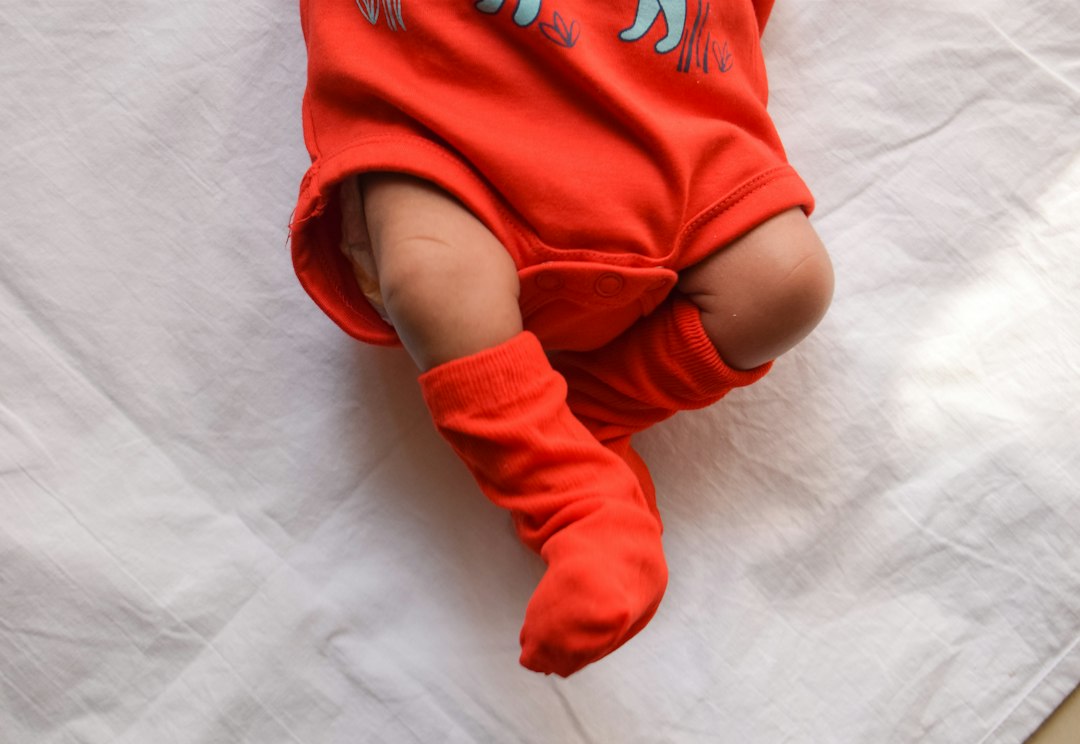
Dress in light layers, not heavy ones
One light layer is often enough indoors in the daytime. What changes through the day is where you are, so think in terms of situations:
- At home in the daytime: a single light cotton top with shorts or loose pants.
- Outdoors in the sun: loose, light cotton that covers arms and legs, a hat and plenty of shade.
- Outdoors at dusk: light long sleeves and pants to cover skin when mosquitoes are around.
- Air-conditioned cars, malls and clinics: keep a thin cotton layer or light cover in your bag, and take it off when you step back into the heat.
- Rainy days: a breathable layer, and change your baby quickly if clothes get damp.
- Sleep: light cotton sleepwear in a comfortably cool room.
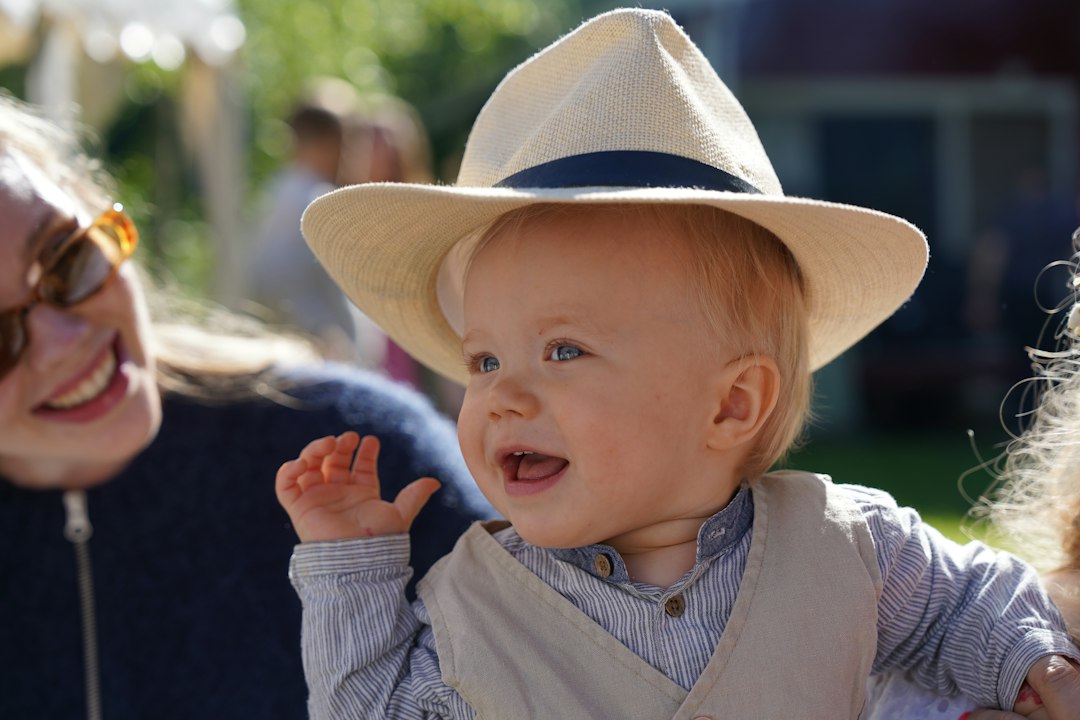
At night, avoid heavy blankets and don’t cover your baby’s head. Overheating is something safe-sleep guidance asks parents to avoid, so follow your paediatrician’s advice on bedding.
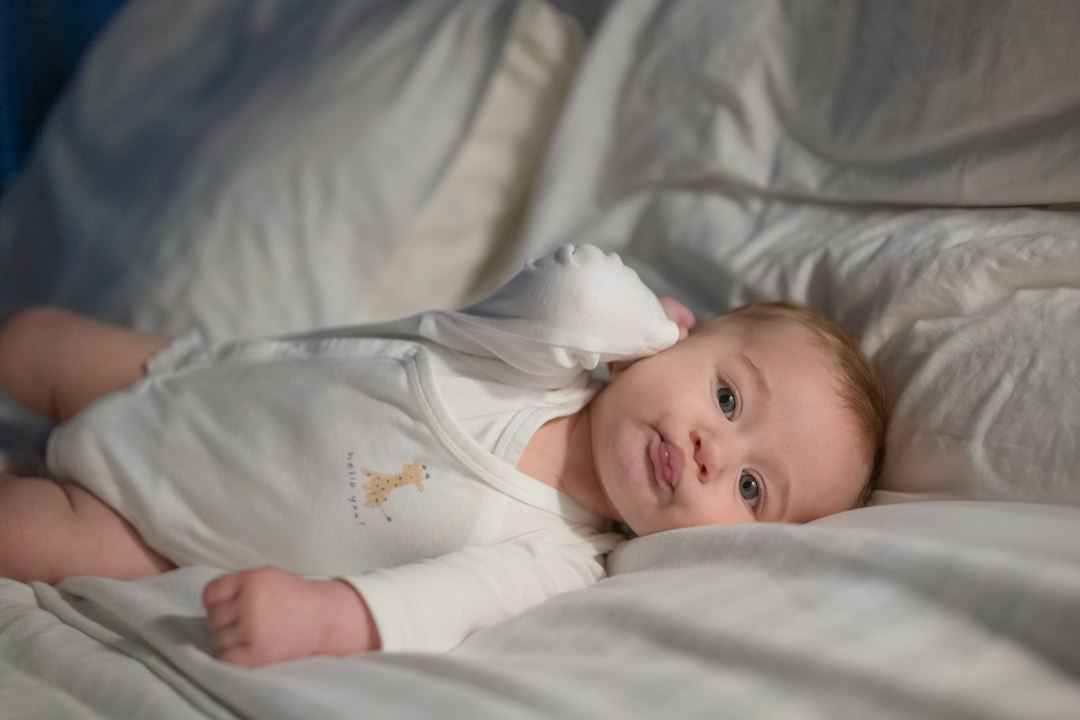
Preventing and soothing heat rash
Heat rash, sometimes called prickly heat, shows up as tiny red bumps or small blisters, often on the neck, chest, back, armpits and skin folds. It happens when sweat gets trapped on the skin, which is common in hot, humid weather.
To help prevent it:
- Dress your baby in loose, breathable cotton
- Keep skin cool and dry, and change sweaty clothes promptly
- Gently wipe or rinse sweat from skin folds, then pat dry
- Avoid thick creams on rash-prone areas, and skip tight or synthetic clothing
Mild heat rash usually settles once your baby cools down. See a doctor if the rash doesn’t improve in a few days, looks infected, comes with a fever, or if your baby seems unwell.
Washing baby clothes to keep them soft
Wash new clothes before the first wear, use a mild detergent, and rinse well so no residue is left on the skin. Avoid bleach and harsh softeners, and air-dry when you can to keep cotton soft. If a care label says to wash gently, follow it.
What to look for when buying baby clothes for hot weather
- Soft, breathable cotton
- A loose, comfortable fit with room to move
- Gentle elastic waistbands that don’t dig in
- Flat seams and no scratchy tags
- Easy fastenings that make changing quick
- Easy-care fabric that can be washed often
Check the size chart too. Babies grow at different rates, so use age ranges as a guide only. Our size 80 sets, for roughly 9 to 12 months, are a good example.
At Tiny Taprobanes, our soft cotton two-piece sets are made with these points in mind. You can browse the Baby Cotton Two-Piece Comfort Set in several colours, the Soft Cotton Baby Girl Outfit Set in playful designs, our pajamas, or see everything in the shop.

Quick answers
What is the best fabric for babies in hot weather?
Soft, lightweight cotton is the best everyday choice. It’s breathable, absorbs sweat and is gentle on skin.
How many layers should a baby wear in Sri Lanka?
Usually one light layer is enough indoors. Add a thin cotton layer for air-conditioned places and remove it when you’re back in the heat. Check the back of your baby’s neck to see whether they’re too warm or too cool.
Can babies sleep in the same clothes they wear in the day?
Light cotton two-piece sets can work for sleep in warm weather, as long as the room is comfortably cool and your baby isn’t over-wrapped.
Keep cool and hydrated
Staying cool also means staying hydrated. Read our guides on when babies can drink water and juice in Sri Lanka and hydration for toddlers in a tropical climate, and our list of essential baby gear in Sri Lanka.
Dressing your baby for Sri Lanka’s heat comes down to a few simple habits: breathable cotton, light layers and keeping skin dry. Check your baby’s neck and chest through the day, and adjust as the weather and your surroundings change.
This article is general information and is not medical advice.
Photos on Unsplash by Mediamodifier, Atharva Whaval, Alex Dev and Zachary Kadolph.
Leave a Reply